Part 2 of an interview with Drug War Mexico co-author Peter Watt.

In Mexico, No Matter Which Party Holds the Reins, the People Lose
read more

Part 2 of an interview with Drug War Mexico co-author Peter Watt.

The Mexican government’s heavily militarized fight against narcotraffickers has helped keep the country mired in violence and inequality.

On October 13, 2012, Mexican teenager José Antonio was hit by a hail of bullets coming from the U.S. side of the metal fence that lacerates the border city of Nogales. Some seven shots penetrated the boy’s body through the back and the head. He died instantly. The culprit? The U.S. border patrol.

On December 1, Enrique Peña Nieto of the Institutional Revolutionary Party (PRI) assumed the Mexican presidency amid a flurry of protests against the party, whose previous 70-year rule defined the country’s authoritarian past. Yet it’s difficult to imagine that the new president’s term could be worse than the unmitigated disaster of his predecessor’s, which was marked by a dramatic militarization of Mexico’s drug war, widespread human rights abuses, and tens of thousands of deaths.

The big question for foreign policy is whether Legacy Obama will be a bolder advocate for peace than the disappointing Campaign Obama. The president will need to recast a foreign policy that has been weak or downright contradictory in standing up for the principles he himself has espoused.

In the interest of keeping vital global issues in the discussion, Foreign Policy in Focus reached out to scholars at the Institute for Policy Studies—our institutional home—to sketch out progressive perspectives on the world issues we don’t expect to get fair treatment in the debates between Barack Obama and Mitt Romney. Without an informed citizenry, these crucial topics will always fall by the wayside. So read up, and share widely!

Javier Sicilia, a poet who lost his son to drug war violence in March of 2011, catalyzed the Caravan for Peace — a coalition of victims and Mexican citizens fed up with the bloodshed that has claimed more than 60,000 lives and left tens of thousands more disappeared since former President Felipe Calderon launched the drug war five years ago.
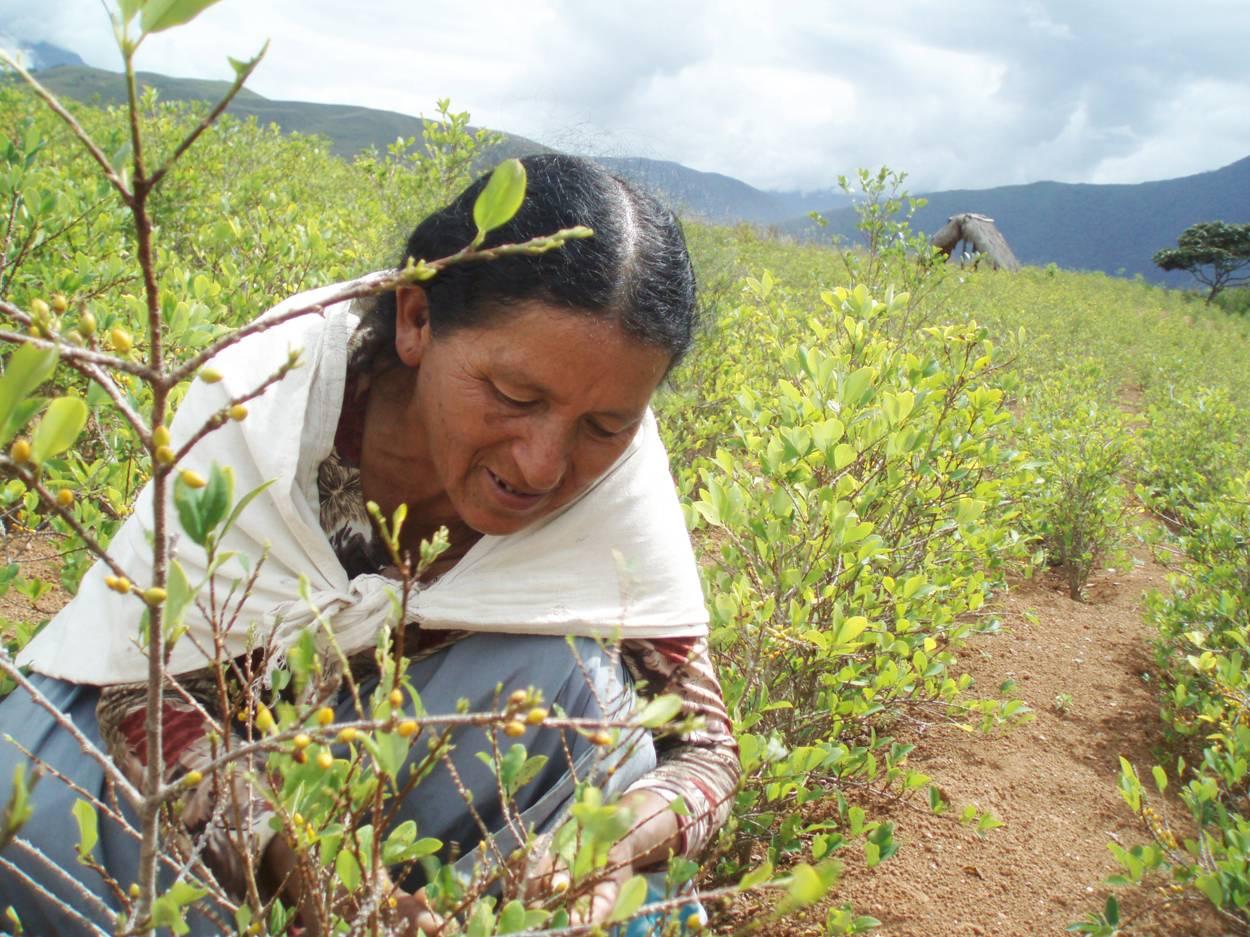
Today’s drug scales do not adequately take into account the scientific and empirical evidence for proper scheduling, relying on anachronistic, ideological standards for classification and draconian legal penalties. This not only impedes more humane and effective health policy initiatives, but also champions antiquated norms that have not stood the test of time.

The UN Office of Drug Control (UNODC) has thoroughly documented the violence, crime, and corruption linked with the worldwide heroin and opium trade. The U.S. news media report every day on the mayhem and corruption of government officials caused by the drug wars in Mexico, Colombia, and other points south of our border. In Afghanistan, the Taliban tax the opium trade and protect poppy farmers from eradication, fueling the insurgency and our 11-year war.
However, these problems are all consequences of drug prohibition, not of the drugs themselves.
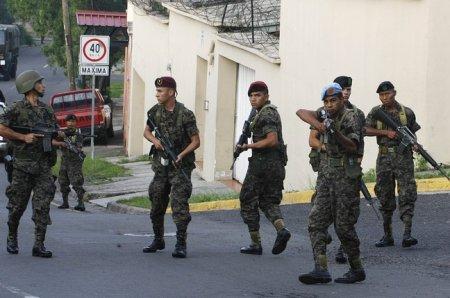
Shortly before midnight on May 26, 15-year old Ebed Haziel Yánez Cáceres left his home on his father’s motorcycle. As he drove through the country’s capital city, three members of the Honduran Armed Forces signaled the minor to pull over. When Ebed Haziel did not comply, the military troops opened fire, killing him instantly.