To hear Saudi leaders tell it, the kingdom is under constant threat from Iran. But graver threats of their own making lurk at home.

While Saudi Arabia Goes to War Abroad, It’s Simmering at Home
read more

To hear Saudi leaders tell it, the kingdom is under constant threat from Iran. But graver threats of their own making lurk at home.

80 percent of people in the Arab world’s poorest country are in danger of starving to death under a U.S.-backed blockade and bombing campaign.
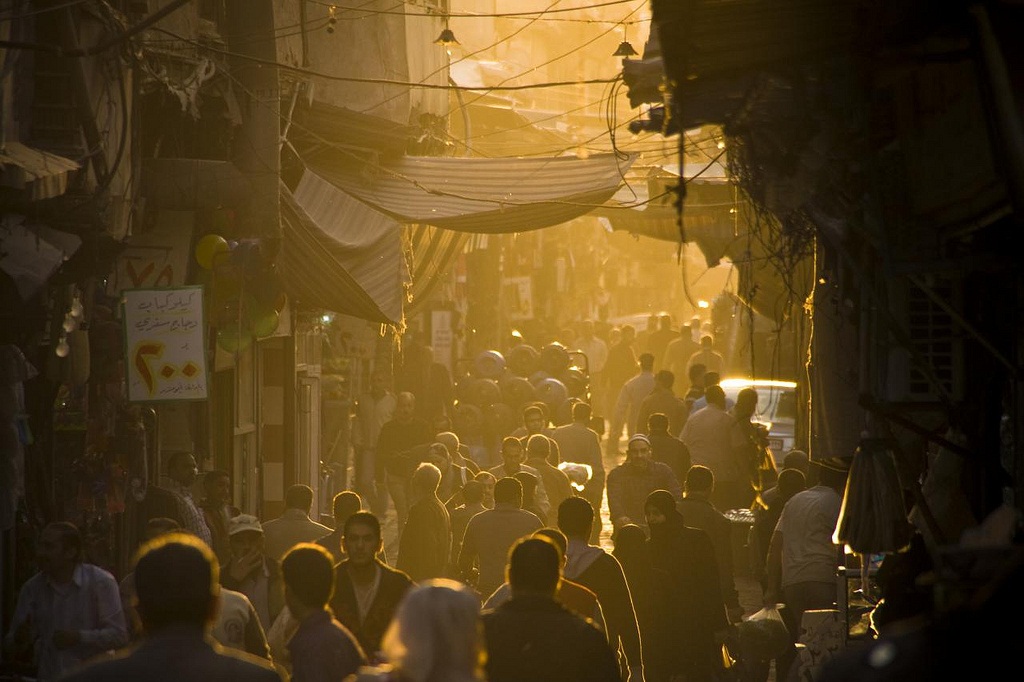
If we continue to think about the Islamic State as a force to be fought on the battlefield, its second year will be worse than its first.
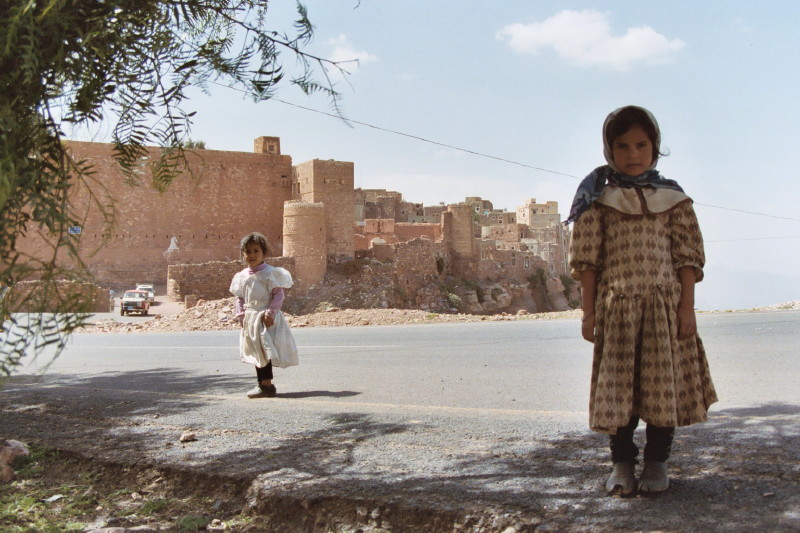
The deliberate targeting of schools has become a flashpoint in the war between Yemen’s rebels and a Saudi-led coalition.

Saudi Arabia’s ongoing war in Yemen does more to highlight the kingdom’s isolation than its power.

Washington’s support for Yemen’s former dictatorship — and of Saudi efforts to sideline the country’s nonviolent pro-democracy movement — helped create the current crisis.

The Yemen war is a variation on an old theme, where despotic regimes in the Middle East call on the United States to do their dirty work.
The Saudi intervention in Yemen perpetuates the lawlessness of the so-called “War on Terror.”

Foreign policy hawks are aflutter about “American retreat,” yet they’re the ones stonewalling on sending U.S. representatives to global institutions.

The Obama administration wants a rubber stamp on its unwise, unlimited, and unauthorized new war in the Middle East. It shouldn’t get it.