Saudi Arabia
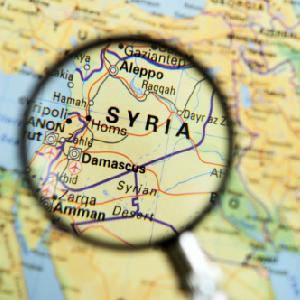
Syria and the Dogs of War

Syria and the Dogs of War

“Blood and destruction,” “dreadful objects,” and “pity choked” was the Bard’s searing characterization of what war visits upon the living. It is a description that increasingly parallels the ongoing war in Syria, which is likely to worsen unless the protagonists step back and search for a diplomatic solution to the 17-month-old civil war.

read more
Saudi Arabia and Qatar: Dueling Monarchies

Saudi Arabia and Qatar: Dueling Monarchies

The demise of secular autocratic regimes in the Middle East and North Africa has heralded a renaissance for Islamist parties in the region, igniting a rivalry for the hearts and minds of the Sunni world between the Gulf powers of Saudi Arabia and Qatar. Although neither country is a bastion of democracy at home, Qatar has proven much more amenable than Saudi Arabia to bolstering democratic Islamist movements abroad.

read more
Can Egypt Chart Its Own Course?

Can Egypt Chart Its Own Course?

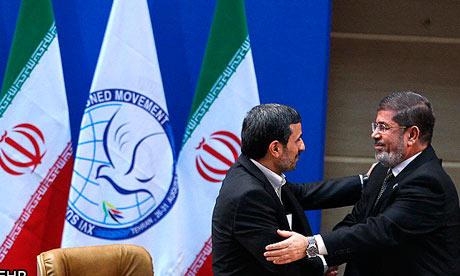
Egyptian President Mohamed Morsi’s bold initiatives on the world stage indicate that the Muslim Brotherhood leader is attempting to pursue a more independent approach to international affairs. By visiting China and Iran before the United States, forcing several high-ranking leaders of Egypt’s U.S.-backed military to retire, and deploying forces within the Sinai, Morsi is boldly challenging the Washington-Tel Aviv-Riyadh axis of power that has defined the Middle East’s order for decades.

read more
Bleeding Syria

Bleeding Syria

Syrian rebels have been fighting Bashar al-Assad’s forces for nearly a year and a half in a conflict that has caused 20,000 deaths. As the world watches in horror, much confusion remains about the nature of the rebel troops, the identity of the regime’s supporters, and what actions — if any — should be taken by the rest of the world.

read more
Does the Saudi Arms Deal Jeopardize Israel?

Does the Saudi Arms Deal Jeopardize Israel?

Israel has long been stronger militarily than its adversaries. This was actually true as early as Israel’s War of Independence in 1948. Since 1967, the United States has helped its ally maintain this edge. Today, thanks to a single significant arms sale, that may no longer be the case. Last December, the United States finalized a roughly $30 billion sale (part of a much larger package) of 84 F-15SA Strike Eagles to Saudi Arabia, along with upgrades to the Kingdom’s 70 existing Strike Eagles to bring them up to a comparable standard. 

read more
The Gulf Cooperative Council and the Arab Spring

The Gulf Cooperative Council and the Arab Spring

The Saudis in particular, and the other Gulf States in general, are fearful of two main threats, real or perceived. The first threat is Iran, which challenges their long-held religious and ethnic tenets. The second threat is the Arab Awakening, which challenges them ideologically and politically. The two threats seem to be connected now, and they will only be more so in the future. The Gulf State strategy seems to be based on the assumption that the stability of all Gulf regimes can only be disturbed by outside forces.

read more