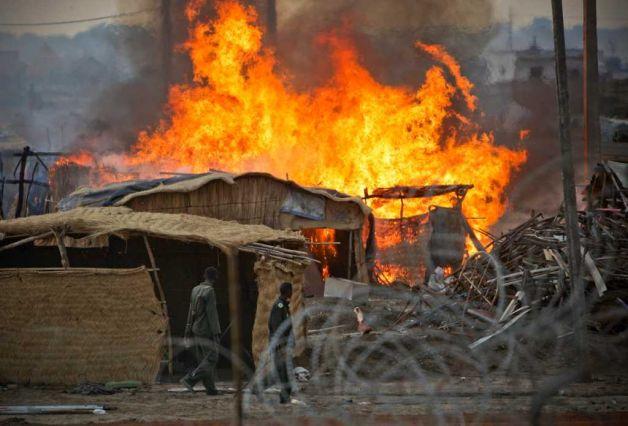
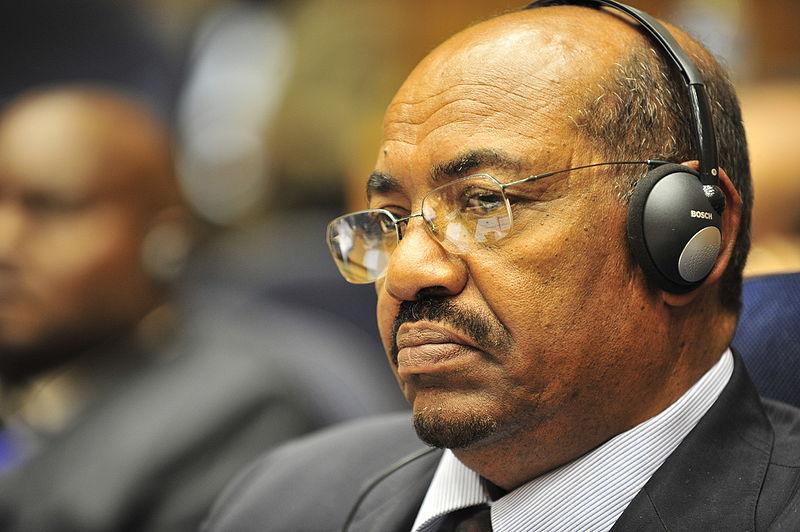
Hope engendered by the referendum to create South Sudan last year has been undermined by inter-ethnic strife and mass killings by the forces of Sudan President Omar al-Bashir.
During the Cold War, Americans wondered if newborn African and Eastern European countries would become democracies. Now we assess how new democracies will live up to their professed democratic values. The world’s newest country, South Sudan, is in the unique position of being able to learn from and construct its constitution from countries that have already gone through the risky process of declaring freedom.
On May 22, 5,000 Northern Sudanese troops invaded Abyei, violating several peace agreements with South Sudan. It only took two days for the Northern Sudanese army to overrun the South Sudanese troops with a combined aerial and infantry campaign. According to UN estimates, the invasion forced 25,000 – 30,000 individuals to flee the area. This invasion could represent an effort by Khartoum to gain a firm foothold in Abyei before the formal declaration of independence by South Sudan on July 9.
On July 9, 2011 South Sudan is expected to become an independent state, Africa’s 54th. Prior to that date, much preparation must be done to establish a vigorous economy, stable government, and peaceful society. The name and capital of the country have yet to be officially declared. Issues of debt, oil, aid, and borders also remain undecided.
Knowing that they’re being monitored might make those intent on atrocities think twice.
It is hard to avoid concluding that the current divestment bills under consideration by the state of Pennsylvania are merely politically opportunistic measures, destined to be as ineffective as they are self-serving.
Dear President Obama,
You’re not the man I thought you were.
Most progressives have no problem finding flaws with your first years as President to criticize you about, whether it’s the whittling down of the healthcare bill, decision to ramp up military operations in Afghanistan, failure to close Guantanamo, or deal effectively with Climate Change at Copenhagen.
For me however, it is the moments in which you have an opportunity to make a clear decision, with profound moral implications, and yet choose to act in a way that makes me ashamed to call you my President…
American military intervention, in threat or deed, could very easily encourage the Southern Sudanese to attack the north secure in the belief that the United States had its back.
With widespread allegations of fraud, voter intimidation, and the withdrawal of nearly all opposition candidates, the conclusion of Sudan’s elections is unsurprising. Receiving 68 percent of the national vote, indicted war criminal Omar al-Bashir has maintained his grip on the presidency. Post-election Sudan appears very similar to pre-election Sudan.
After five days of voting, the withdrawal en masse of virtually all the opposition presidential candidates and countless accusations of ballot tampering, voter intimidation, and worse, Sudan’s elections drama has drawn to an unsurprising conclusion.