Trading Taliban prisoners for Sgt. Bowe Bergdahl may not have been ideal, but, as they say, the perfect is enemy of the good.

Will Taliban Freed in the Bergdahl Trade Come Back to Haunt U.S. Soldiers?
read more

Trading Taliban prisoners for Sgt. Bowe Bergdahl may not have been ideal, but, as they say, the perfect is enemy of the good.

If costly drug war strategies in Afghanistan have been unsuccessful even with a strong U.S. military presence, they won’t stand a chance after the U.S. withdraws.

Show George W. Bush some love.

The 10-year drone-war killing spree has unleashed the seeds of its own destruction: a nonviolent resistance movement.
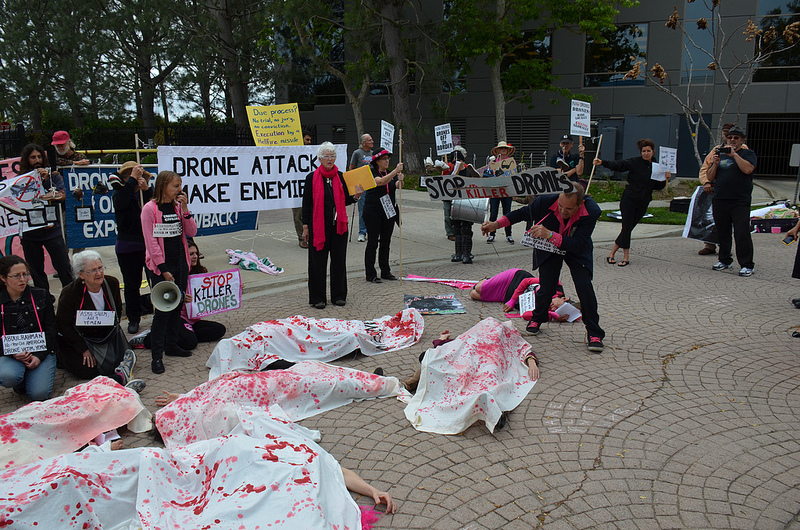
New films, reports, and media coverage are finally giving the American public a taste of the personal tragedies involved in the U.S. drone war.

From Edward Snowden to Taliban drug dealing to Stratfor’s ruined credibility.
With the exception of the current U.S. commander in Afghanistan, virtually everyone has concluded that the war has been a disaster for all involved.

In 2008, Seyed Hasan, a father of 6, fled his home in the Wardak province of eastern Afghanistan. Hasan’s family applied for refugee status in Turkey, but their initial claim was rejected. Over four years later, the family was finally granted refugee status. But their situation did not improve.

A panel of experts looks at the U.S. and NATO end game in Afghanistan.
Islamist extremists have been targeting Pakistani women who work for the UN administering polio vaccines.