Crimea has long been the object of Russian and Soviet colonialism. How can Crimea change that?

Decolonizing Crimea
read more

Crimea has long been the object of Russian and Soviet colonialism. How can Crimea change that?
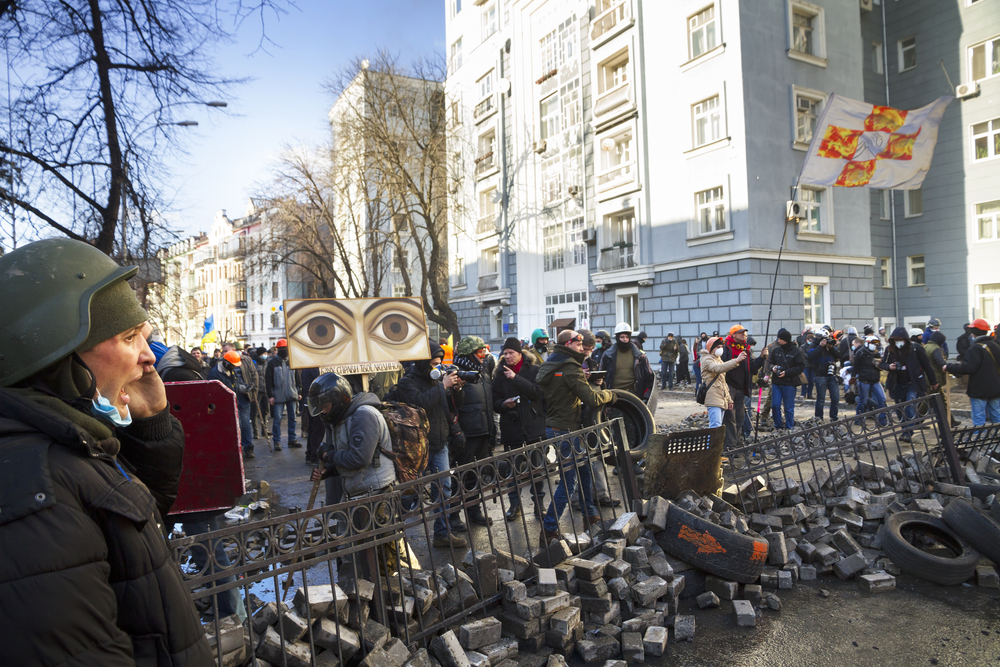
The U.S. has sent considerable military assistance to Ukraine. That aid needs to be linked to human rights concerns.

Trump stole the headlines, but the recent NATO summit declaration suggests the odds of an unnecessary conflict are rising.

Is the United States on the verge of enshrining humanitarian intervention as a bedrock principle of foreign policy?

Some see Putin’s Russia as a counterweight to U.S. global meddling. But Moscow is increasingly mimicking Washington’s worst behavior.

Astounding increases in the danger of nuclear weapons have paralleled provocative foreign policy decisions that needlessly incite tensions between Washington and Moscow.

From the comfortable alt-rock of PJ Harvey to the hypnotic antagonism of Anohni, new protest music offers a relief from the official rhythms of war and peace.
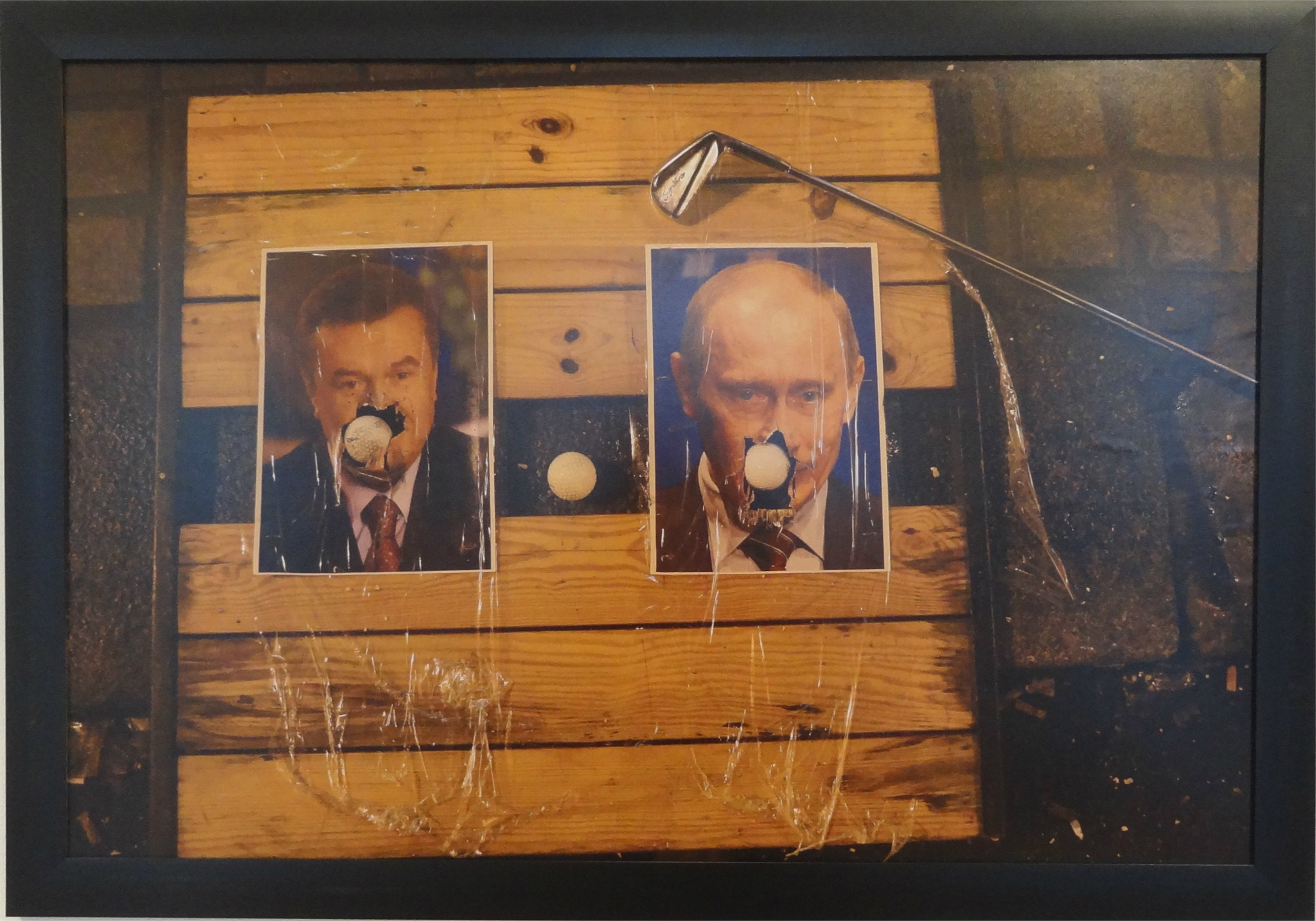
Somehow a disagreement over Ukraine has morphed into Nazi armies poised on the Polish border, or Soviet armored divisions threatening to overrun Western Europe.

Washington is responsible for a plethora of global calamities. But Putin’s Russia isn’t offering an appealing alternative at all.
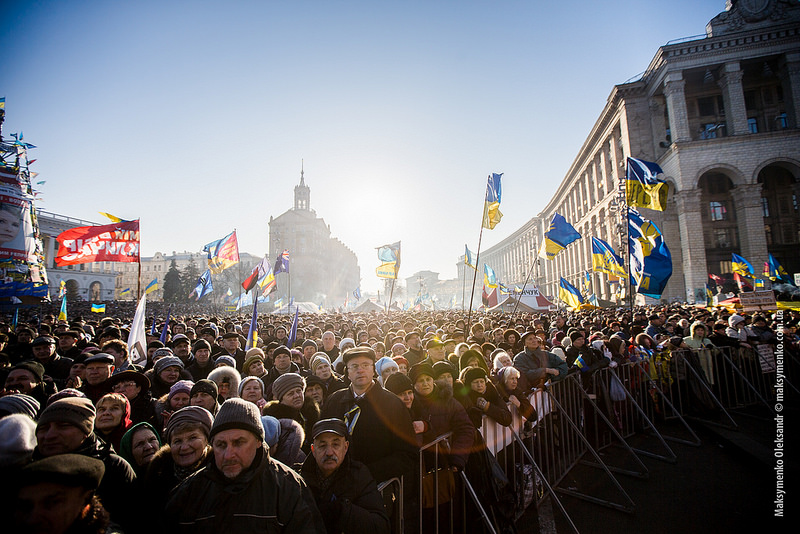
Ukraine faces an almost impossible task: carefully balancing its internal contradictions while initiating monumental reforms.