Maybe Trump really thinks sanctions will produce a “better” Iran deal. More likely, they’re designed to justify conflict.

Trump’s Iran Sanctions Are an Obvious Prelude to War
read more

Maybe Trump really thinks sanctions will produce a “better” Iran deal. More likely, they’re designed to justify conflict.
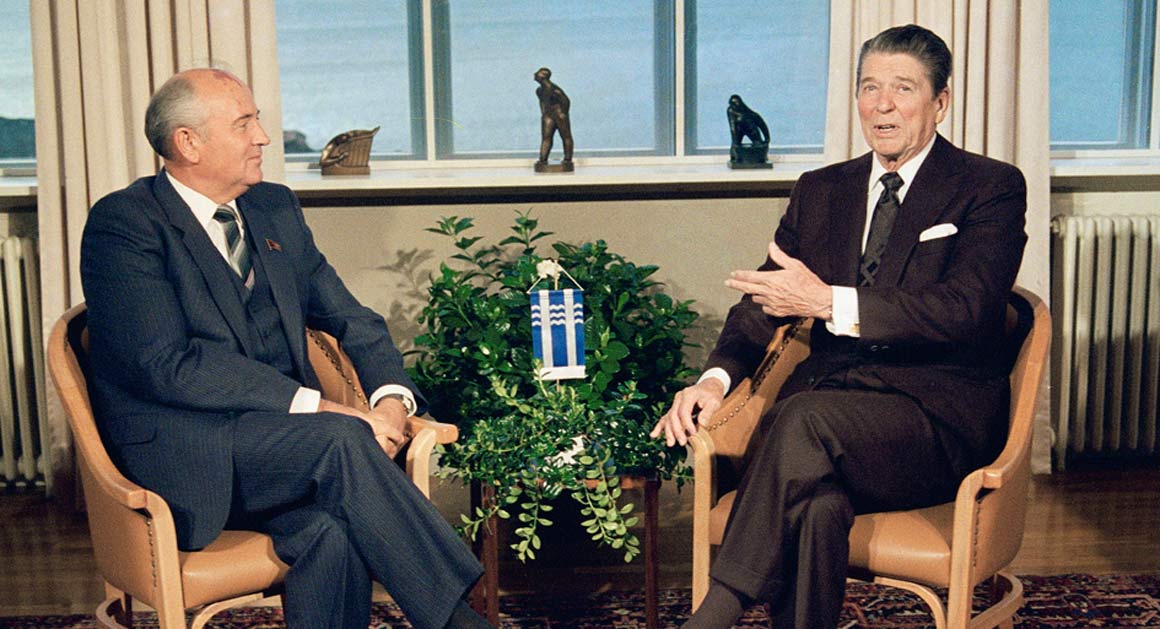
Like Mikhail Gorbachev, Trump helms a fading empire. But while the former Soviet leader supported democratization in his wake, Trump’s sowing the seeds of autocracy all over the globe.

Saudi Arabia’s puzzling effort to blacklist its tiny neighbor Qatar begs the question of who’s really isolated in the Gulf.
From North Korea to Russia to the Middle East, there’s no shortage of deal-making needed. But beware the fine print of anything with Trump’s insignia.

A Washington gathering of Persian Gulf autocrats sums up the absurdity of America’s relationship with some of the world’s most oppressive regimes.

Saudi Arabia’s ongoing war in Yemen does more to highlight the kingdom’s isolation than its power.

Washington’s support for Yemen’s former dictatorship — and of Saudi efforts to sideline the country’s nonviolent pro-democracy movement — helped create the current crisis.

The Yemen war is a variation on an old theme, where despotic regimes in the Middle East call on the United States to do their dirty work.
The Saudi intervention in Yemen perpetuates the lawlessness of the so-called “War on Terror.”

The member-states of the Gulf Cooperation Council have realized that the United States, thus far their biggest ally, is really just a fair-weather friend.