Voices around the world are saying: it’s now or never for a Palestinian state.

Is a State the “Reward” for Genocide?
read more

Voices around the world are saying: it’s now or never for a Palestinian state.

With innocent Afghans impoverished and starving, the U.S. must return money that’s rightfully theirs.

The conflict in Ukraine Is a disaster for the poor of this planet.

The collective punishment of Afghans is hideously wrong — and the Biden administration can ease it with the stroke of a pen.

In post-coup Zimbabwe, COVID-19 cases are rising along with political repression. Here’s how you can help.
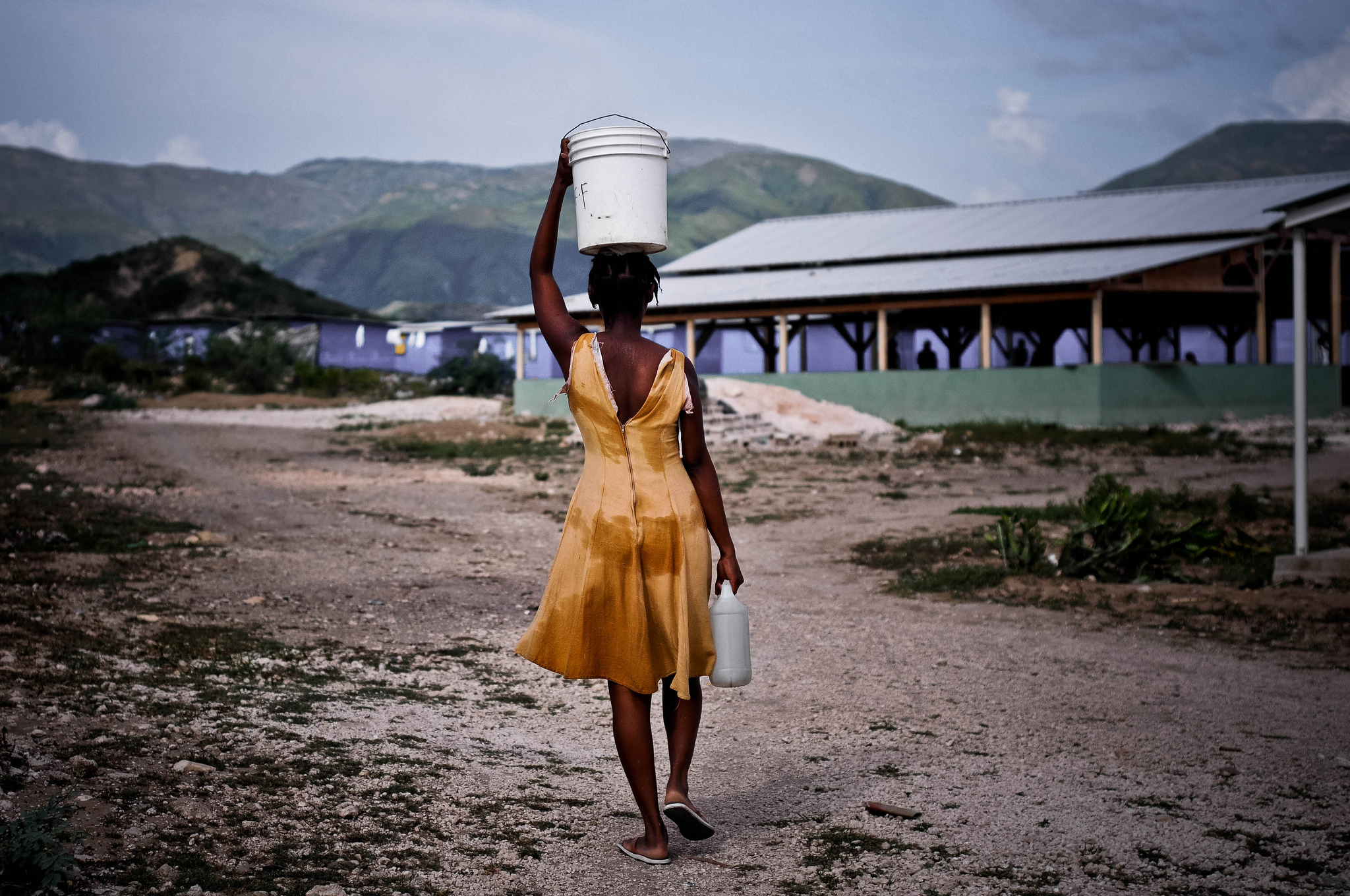
As famine descends on a huge swath of the globe, the White House is rolling back aid, ramping up conflict, and risking more climate chaos.
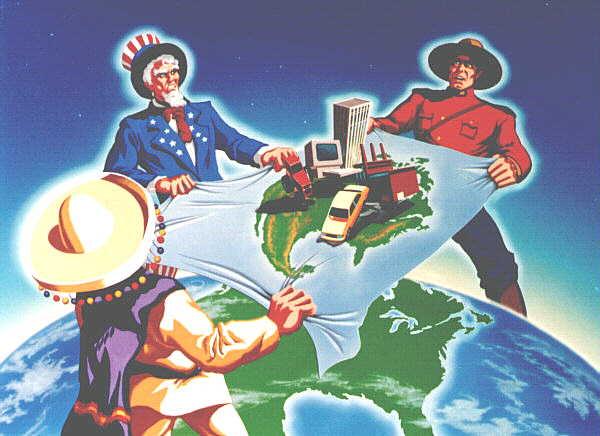
The North American Free Trade Agreement (NAFTA), which went into effect on January 1, 1994, was touted as the cure for Mexico’s economic “backwardness.” Promoters argued that the trilateral trade agreement would dig Mexico out of its economic rut and modernize it along the lines of its mighty neighbor, the United States. Fat chance.
When sudden food price increases started to make headlines last summer, an estimated 852 million people were already living with crippling hunger, which the United Nations defines as continuously getting too little food to maintain a healthy and minimally active life. The UN’s Food and Agriculture Organization (FAO) estimates another 50 million people were added to the count in 2007. For people living with hunger, a long-term solution won’t come quickly enough. Many of them will need emergency assistance. Clearly, the UN and donor nations need to plan and invest more strategically to ensure a more food-secure future.
For those following economic trends, the past 18 months are notable primarily for two reasons. First, the U.S. housing market, long seen as overvalued by alternative economists and even powerful economic institutions including the International Monetary Fund (IMF), finally went from boom to bust. Over the span of a few months, housing in some markets depreciated by as much as 30%, and some economists estimate that losses may ultimately reduce value by as much as 50% in some cities.
While the mainstream media doesn’t always ignore the pressing issue of hunger in Africa, it rarely explores the root causes of this problem. Behind most news on the issue, there’s an assumption that casts hunger as a natural result of unfortunate weather conditions, coupled with bureaucratic inefficiency and bad economic planning.