Why has the American far right adopted an anti-American conspiracy theory as its rallying cry?

Tucker Carlson’s ‘Great Replacement’ Theory Comes from an Anti-American Nazi
read more

Why has the American far right adopted an anti-American conspiracy theory as its rallying cry?

May 16 marks a famed Roma uprising against Nazi death camp guards. Against a backdrop of rising right-wing hatred, we need to draw on that defiance and humanity.

The slide towards bleak historical periods can be difficult to recognize in the moment. But in this moment, it’s glaringly obvious.
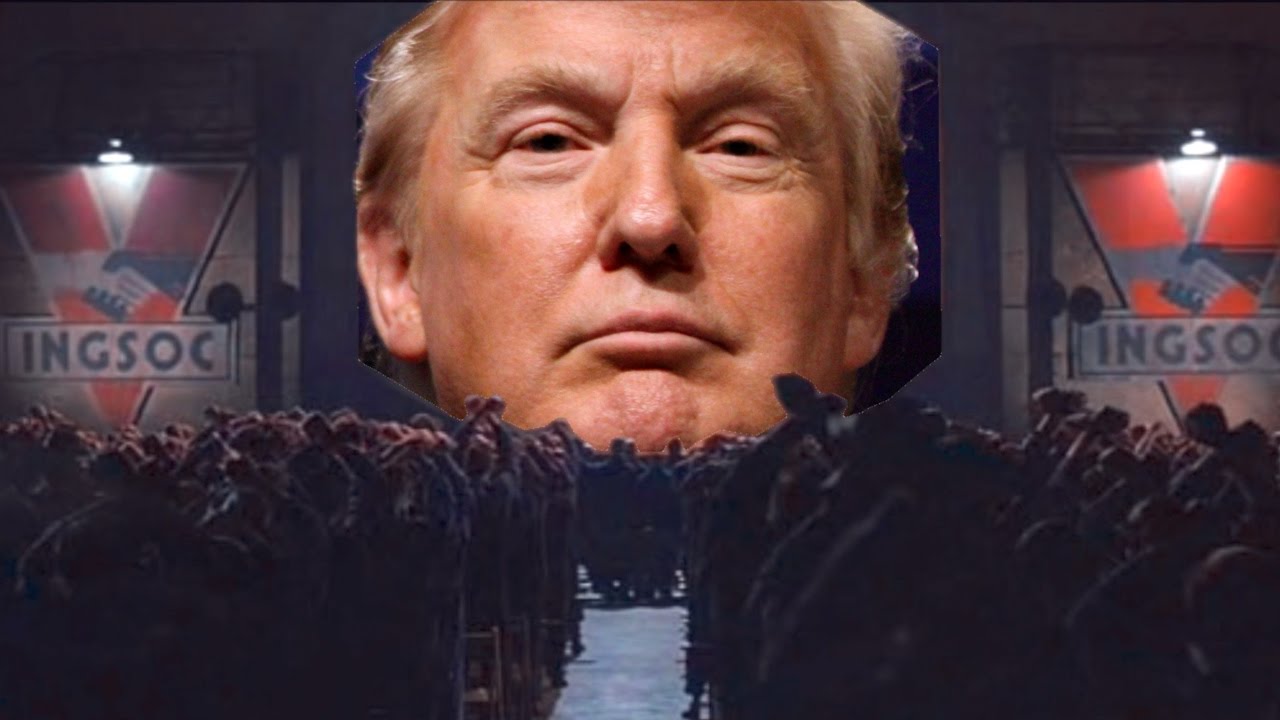
Today’s dystopia is not your grandfather’s 1984.

An interview with Russ Bellant, author of “Old Nazis, the New Right, and the Republican Party.”

Richard Rashke’s definitive new book Useful Enemies reviewed.

The Nazis unintentionally kick-started avant garde film.
Even in the best of times, corporate fraud, Nazi connections, hate groups and Eastern European drug rings were lurking beneath Sweden’s surface.
In his classic novel Every Man Dies Alone, just published last year in English but written immediately after World War II, Hans Fallada gets it right the first time.
Recent events — in Darfur, in Tibet, in Burma, and within China — force an inevitable debate about the appropriate political and moral response to China’s hosting of the Summer 2008 Games, and in particular whether some form of boycott is warranted. Unfortunately, if predictably, there has been a good deal more heat than light generated by this debate, which too often reflects clashing axioms rather than informed argument. Since my own expertise lies in understanding Sudan, and in particular the ongoing genocide in Darfur, I’ll necessarily focus on this part of the debate. But few working on Sudan are unaware of the controversies associated with Chinese economic policy and human rights standards elsewhere in Africa.