The world’s major nuclear powers are treaty-bound to move towards disarmament. The India-Pakistan clash underscores the need to get moving.

Nuclear Powers Need to Disarm Before It’s Too Late
read more

The world’s major nuclear powers are treaty-bound to move towards disarmament. The India-Pakistan clash underscores the need to get moving.

Obama’s approach to nukes will be his most significant legacy — as well as his most salient failure.

In the 1960s, the New Left treated nuclear disarmament like your father’s activism.
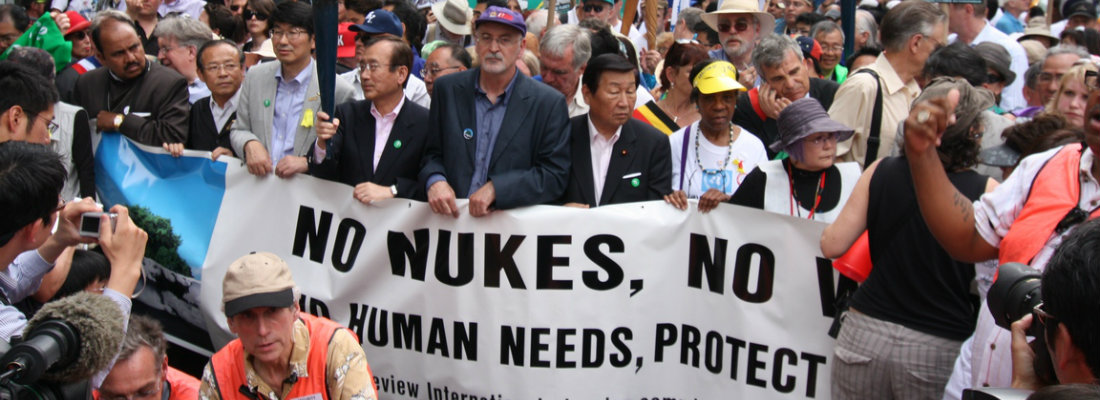
The Iran nuclear deal could provide momentum for a nuclear weapons-free Middle East — and eventually a nuclear-free world.
As always, emphasis added.
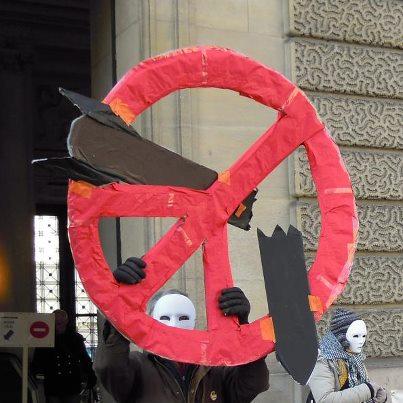
Only a few weeks after Francois Hollande’s election, former Socialist Prime Minister Michel Rocard came up with an original budget-balancing solution: if France chose to relinquish its nuclear arsenal, he argued, “16 billion euros that serve absolutely no purpose” could be saved over five years.

Abolishing both nuclear weapons and war may not be possible without world government.
Ratification is like the starter’s gun — but is the finish line disarmament or a nuclear-industrial complex more deeply entrenched than ever?
Heretofore coexisting peacefully, the two are now juxtaposed.

After 65 years, is there anything new to say about nuclear weapons? Their immense and almost incomprehensible destructive power is well known. Their tenacious endurance as the weapon, even after the collapse of the Soviet Union and the end of the Cold War, is an unavoidable fact as nine nations currently stockpile these world menacers. Their super-power allure to emerging states remains untarnished despite international treaties discouraging proliferation.