Call it guilt money, a long-overdue environmental debt payback, or a smart investment in a hurting planet. Whatever it’s called, climate-change repair funds are on the way.

Will Cash Cool the Planet?
read more

Call it guilt money, a long-overdue environmental debt payback, or a smart investment in a hurting planet. Whatever it’s called, climate-change repair funds are on the way.

The teacher assembles a collection of chocolate-chip cookies and toothpicks. This is how the elementary school children are supposed to learn about the costs associated with coal mining. Each cookie is a mining property. The students each receive $19 in play money, which they use to buy these properties. They examine the cookies closely to determine which ones to buy. They map their cookies. They buy mining equipment in the form of paperclips and toothpicks. Each minute spent extracting a chocolate chip costs $1. The chips that they do not surreptitiously eat can be sold for $2 apiece. When they are finished, the students must restore their property to its original condition using only their tools, a process that also costs money. Only after this labor can they determine their profits — and the costs of the mining process.
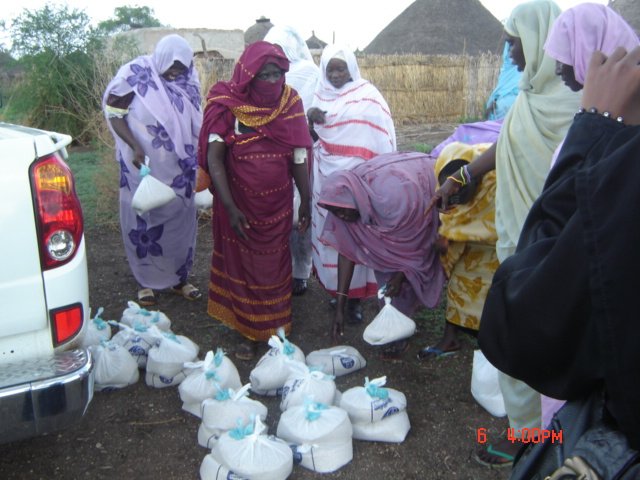
Last weekend, women farmers from Africa and Latin America gave President Obama a message that he can’t afford to ignore. In a letter delivered to the president and U.S. negotiators in Copenhagen, the women argued that the poorest, most disenfranchised people in the world hold the key to resolving the biggest global challenge of our time.
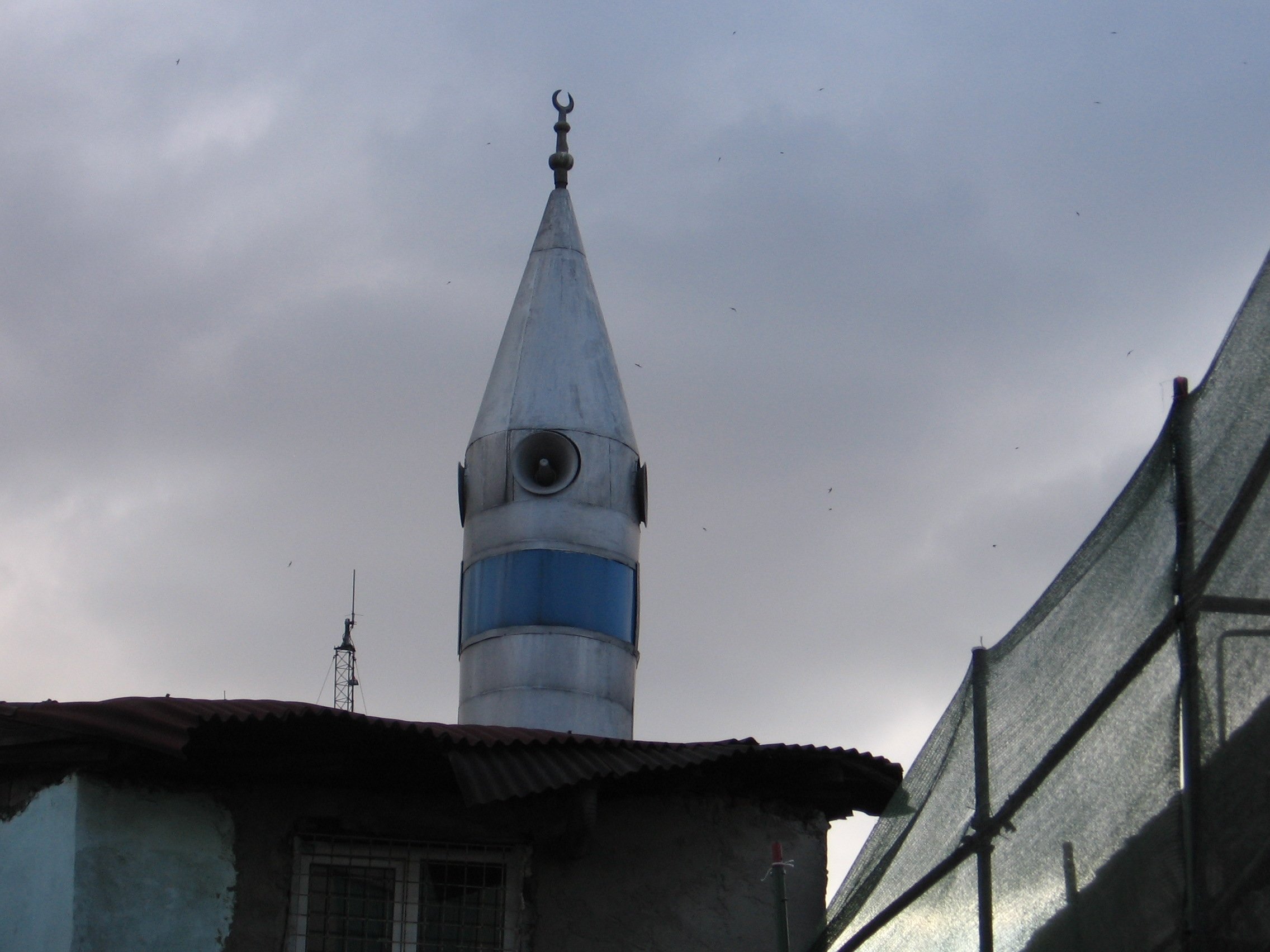
On November 29, a majority of the Swiss population decided to ban the construction of new minarets in their country. Many Muslim leaders and laypeople were “surprised” at the Swiss decision, viewing the decision as an aberration from Western ideals and voicing anti-Swiss criticisms in return. Turkish minister for EU Affairs and chief negotiator Egemen Bağış, for example, argued that Switzerland wouldn’t have taken this decision if it were an EU member. Yet the Swiss decision on minarets reflects a far deeper fear shared by thousands of people in Western Europe. Members of the Christian Democratic Union party in Germany, the Freedom Party in the Netherlands, and the Danish People’s Party have already applauded the decision.

Six months ago, President Obama dazzled audiences from Cairo to Jakarta—and everywhere in between and beyond—with his call for a “new beginning” with the Muslim world. It came after the new president made a series of confidence-building statements, speeches, and diplomatic overtures with a consistent, sobering message: It is time for relations based on “mutual respect” and “mutual interest.” Obama declared at Cairo University that there “must be a sustained effort to listen to each other; to learn from each other; to respect one another; and to seek common ground.”
Beginning in the second week of December, representatives to the United Nations Climate Conference in Copenhagen will wrestle with the challenge of climate change. This week, influential actors in the World Trade Organization Seventh Ministerial Conference taking place in Geneva are trying to push for a conclusion to the nine-year-old Doha Round of trade negotiations.

On October 15th, La Mesa Nacional Frente a La Minería Metálica en El Salvador, also known as El Salvador’s National Roundtable on Mining, won the Letelier-Moffitt Human Rights Award awarded by the Institute for Policy Studies for their fight against mining in El Salvador.
never much liked the idea of arms control. During the Cold War, we managed our nuclear arsenals rather than reduced them. We treated our nukes like huge, dangerous animals. We restricted their movements but gave them ample care and feeding. Until recently, getting rid of the animals altogether wasn’t part of the political agenda. After all, our leaders believed that these beasts were useful. They scared away the covetous neighbors.
International negotiators will gather in Copenhagen, Denmark in December to hammer out a new and possibly historic worldwide treaty to regulate greenhouse gas emissions. Following up on the expiring Kyoto Protocol, it is widely billed as the last chance to save the planet from a temperature rise of two degrees Celsius or higher. Sascha Müller-Kraenner is the Europe coordinator of The Nature Conservancy, a U.S. environmental group. Paul Hockenos spoke to him in Berlin.