The first Global Day of Action on Military Spending is Tuesday, April 12.

Take Part in the Global Day of Action on Military Spending, April 12
read more

The first Global Day of Action on Military Spending is Tuesday, April 12.

The ongoing oppression of Burma’s ethnic minorities, many of whom become refugees to Thailand, is overshadowed by disasters such as Iraq, Afghanistan, and Darfur.

Coming to terms with NATO’s intervention in the Libyan civil war is a little like wresting a grizzly bear: big, hairy, and likely to make one pretty uncomfortable no matter where you grab a hold of it. Is it a humanitarian endeavor? A grab for oil resources? Or an election ploy by French President Nicolas Sarkozy?
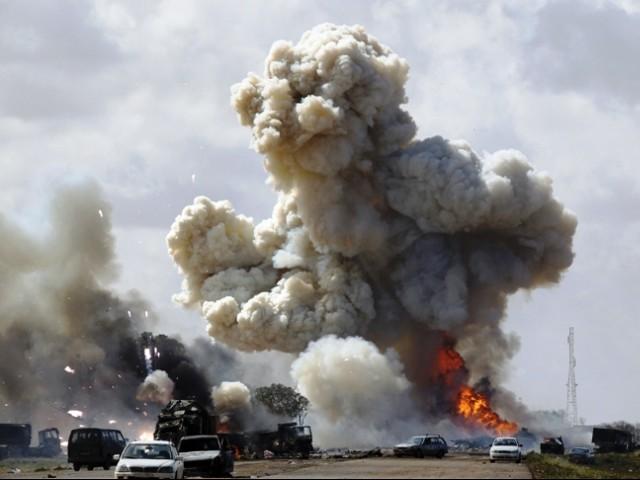
In the second part of our strategic dialogue on the Libya War, Robert Naiman and Ian Williams respond to their initial essays. You can read the original essays here: Naiman’s anti-intervention essay Surprise War for Regime Change in Libya is the Wrong Path and Ian Williams’ pro-intervention essay Armchair Anti-Imperialists and Libya.
He’s an activist who has used the Internet to fight for what he believes in. He is a member of civil society committed to living in truth. He doesn’t live in Cairo or Tunis or Damascus. He doesn’t live in an oppressive society at all, unless you consider Gainesville, Florida an oppressive place. Instead of setting himself on fire, like Mohamed Bouazizi in Tunisia, the preacher Terry Jones has set fire to a book, the Qur’an. It wasn’t a very original idea – the first emperor of China burned books and so did the Nazis – but then, neither is self-immolation.

By half-heartedly retracting his report, Richard Goldstone not only won no friends in Israel, but sabotaged his human-rights reputation.
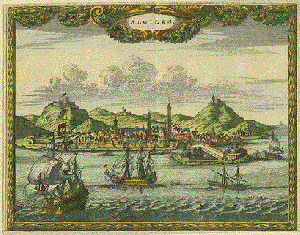
Algeria was able to extend its influence over its southern neighbors. The U.S. was able to “piggyback” on Algeria’s concerns, real and imagined, to create a security network extending from Algeria to Nigeria.

The Obama administration set a bad precedent by launching a surprise war for regime change in Libya without congressional authorization or informed public debate, in violation of the letter and spirit of the War Powers Resolution enacted by Congress in 1973.

It is a particularly pernicious form of cultural imperialism for comfortable Western leftists to disregard what the actual Tunisians, Libyans, Kosovars, or Bosnians themselves have asked for – intervention to stop “their” rulers killing them. This setting aside of the wishes of people threatened with massacre in favor of Western armchair anti-imperialism is all the more remarkable coming from the left, which once swore by internationalism.

Arthur Waskow is a rabbi who founded and directs The Shalom Center in Philadelphia, a prophetic voice in Jewish, multireligious, and American life. He is the co-author of The Tent of Abraham and Freedom Journeys: The Tale of Exodus and Wilderness Across Millennia. He was also a resident fellow at the Institute for Policy Studies from 1963 to 1977. As part of our special focus on Islamophobia, he talks here with Foreign Policy In Focus about how to counter Islamophobia through interfaith dialogue and the religious tradition.