For all its shortcomings, Obama’s seemingly improvised Syria strategy has taken advantage of unexpected opportunities. This could be the latest.

The U.S. Should Back Russia’s Syria Ceasefire
read more

For all its shortcomings, Obama’s seemingly improvised Syria strategy has taken advantage of unexpected opportunities. This could be the latest.

After a mere eight years in which diplomacy narrowly edged out militarism, the foreign policy elite rallying around Clinton has forgotten the lessons of the George W. Bush era.

Is the United States on the verge of enshrining humanitarian intervention as a bedrock principle of foreign policy?
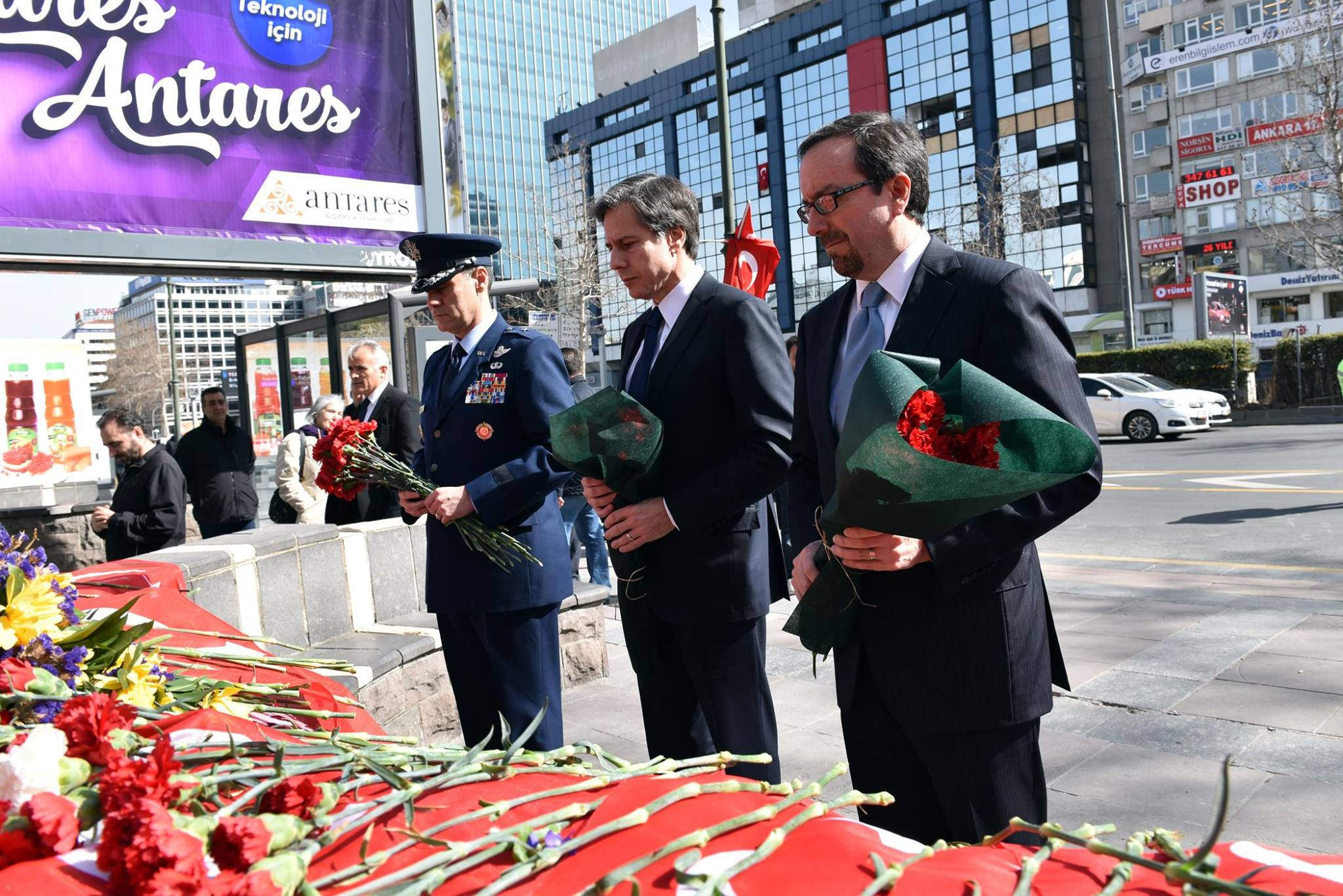
As ISIS loses territory, it returns to mass-casualty attacks against civilians. That’s why military-first approaches to terrorism are doomed to failure.

Clinton is right: Trump would be a disaster on foreign policy. But her refusal to engage with the alternative offered by Sanders says more about her own war-driven approach than anything else.
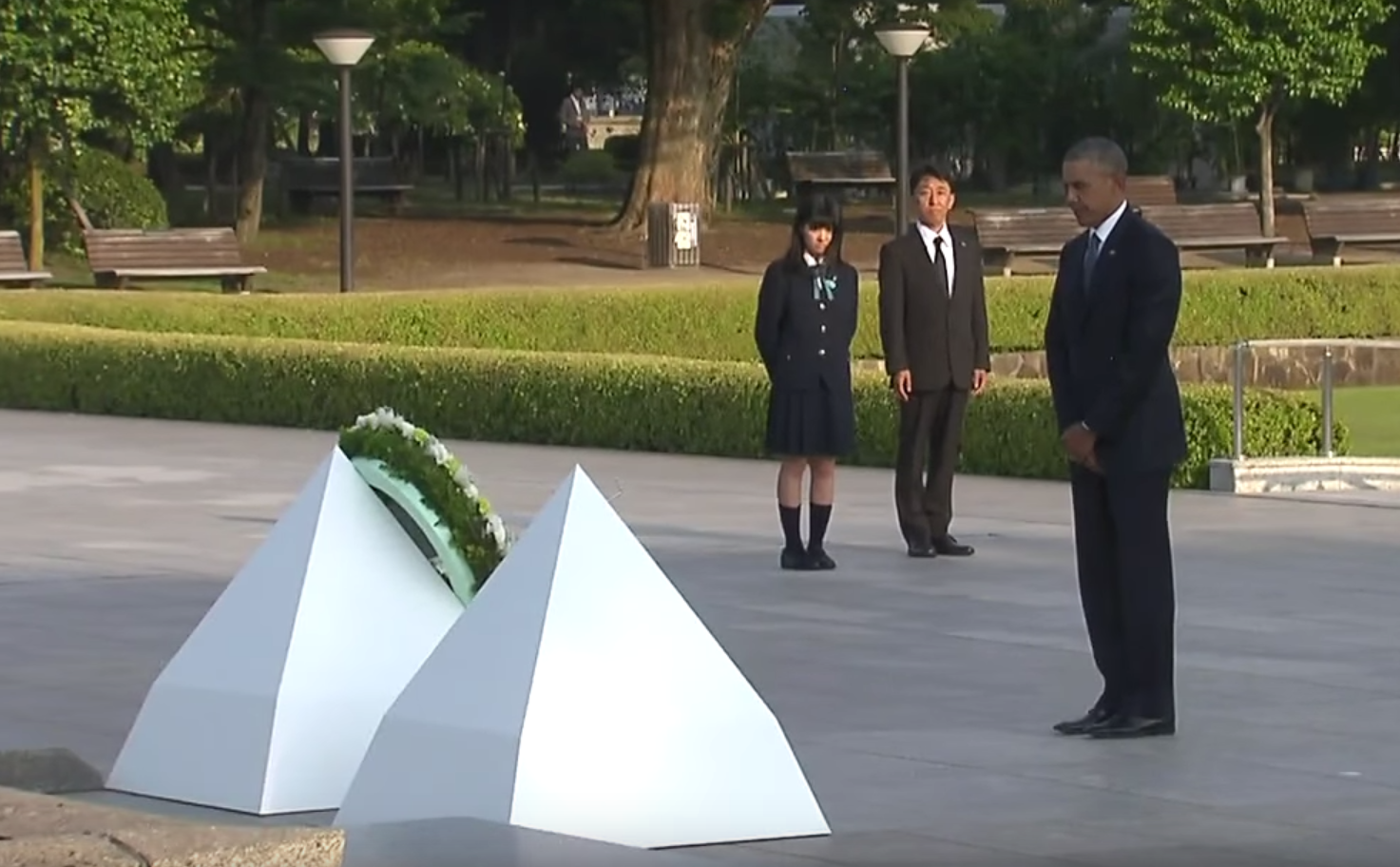
Obama’s approach to nukes will be his most significant legacy — as well as his most salient failure.

The U.S.-Cuba deal proved the value of discreet, informal diplomacy. No shortage of other peace processes could begin the same way.

For better or worse, the refugee crisis underscores that Turkey is part of Europe. Pretending otherwise could have disastrous consequences.

For too long Moscow and Washington have tried to out-muscle each other by escalating the Syrian war. Now, for once, they’ve got a chance to escalate their efforts to end it.

In a world awash with weak states, powerful weapons, and crumbling institutions, conflicts can easily continue for generations — and perhaps never end.