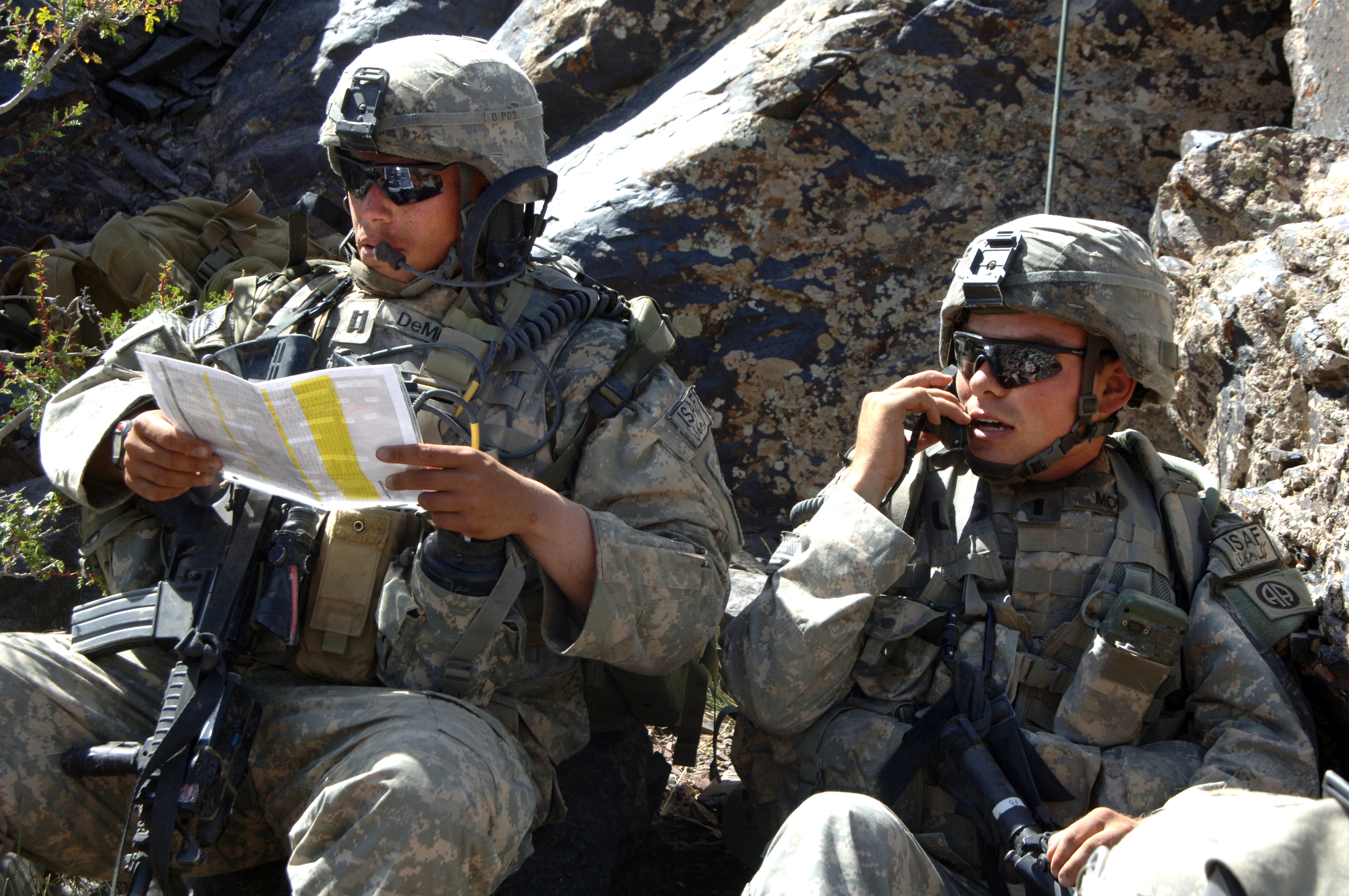
The refusal to face up to reality that the United States cannot succeed in Afghanistan, despite all evidence to the contrary, suggests that the political elite is desperately clinging to the American system of global military hegemony.
Iran-Saudi Relations: Rising Tensions and Growing Rivalry
For decades, the Persian Gulf region – subsumed under a latent Sunni-Shia divide – was animated by a drama of Iraq-Iran rivalry; each power balanced the other. The elimination of Saddam Hussein, by the 2003 U.S. invasion of Iraq, introduced a new chapter in the regional affairs – Saudi Arabia and Iran as the twin pillars of the regional power-configuration. Historically, despite numerous efforts by each party to improve bilateral relations and deepen cooperation, Iran-Saudi relations have been fraught with intermittent rhetorical wars and grim strategic competition.
A Way Forward: Reexamining the Pentagon’s Spending Habits
The U.S. has spent a trillion dollars since 2001 on military operations in Iraq and Afghanistan. Now, it is being estimated that another $800 billion plus will be added to the tab before the wars are ended, yet it’s questionable what the return on that investment is. New ideas and new perspectives are needed to rebalance a deeply dysfunctional system.
The Trillion-Dollar Question
The full-page ads in The Washington Post seem so reasonable. The military contractor Pratt & Whitney has been arguing that America doesn’t need to spend $485 million to develop a second engine for the F-35 jet fighter. It’s a compelling argument. We’re in a serious economic crisis, so why on earth would we build another jet engine when the first one is sufficient?
Don’t Reward Violence in Iraq by Extending U.S. Troop Withdrawal Deadline
Washington pundits are still pushing Obama to delay or cancel the U.S. disengagement, calling on him to be “flexible” and take into consideration the recent spike of violence in Iraq. Hundreds of Iraqis have been killed and injured during the last few months in what seems to be an organized campaign to challenge U.S. plans.
Congress Sends Wrong Message to Iraq
After more than 19 years of war, including seven years of occupation, the U.S. Congress still does not grasp domestic politics in Iraq. This week, the House passed a resolution asking the State Department to establish U.S. consulates in the Kurdistan region of Iraq, as well as in “other regions” in the country. This resolution isn’t binding, but it still sends the wrong message to Iraqis.
Do the Military and Development Mix?
The Obama administration’s redefined military mission in Afghanistan has dramatically increased pressure on the Afghan government to demonstrate it can provide for its citizens without U.S. assistance. Yet despite billions of dollars spent on military and civilian efforts, eight years of nation-building haven’t yielded adequate results.
Sliding Backwards on Iraq?
Last week, President Obama’s out-of-control military brass once again leaked a statement contrary to the president’s position. This time the statement came from Army Gen. Ray Odierno, the top U.S. commander in Iraq, who officially requested to keep a combat brigade in the northern part of the country beyond the August 2010 deadline.
Sunrise or Sunset for Iraq?
Operation New Dawn. That is the name the U.S. military will give its operations in Iraq when U.S. military operations in that country end this September. Wait, what?
Democracy Thwarts U.S. Base Plans
This March, the Obamas will touch down in the U.S. territory of Guam, en route to Australia and Indonesia. It’s a big deal for this tiny Pacific island seven-and-a-half hours by plane from Hawaii and, according to airport placards, “where America’s day begins.” Two senators from Guam, Judith P. Guthertz and Rory J. Respicio, have already written to ask the president “to meet a few of your fellow Americans,” instead of the typical orchestrated “pit stop” behind the gates of Andersen Air Force Base.