Nine months after stepping down as Prime Minister, Yukio Hatoyama conceded that he had just given “deterrence” as the factor necessitating retention of the US Marine Corps on Okinawa because he needed a pretext.
Hatoyama’s Confession
read more

Nine months after stepping down as Prime Minister, Yukio Hatoyama conceded that he had just given “deterrence” as the factor necessitating retention of the US Marine Corps on Okinawa because he needed a pretext.

Okinawans are at the vanguard of attempts to block the deployment of a controversial U.S. aircraft.
The mood across East Asia as 2011 dawns is one of foreboding. Can the militarization and confrontation that gathered momentum through 2010 in the spiral of incidents (Cheonan in March, Senkaku in September, Yeonpyeong in November) and massive regional war rehearsals by the US and its allies be halted and reversed? The fear that events might slide during 2011 into catastrophe is hard to resist.
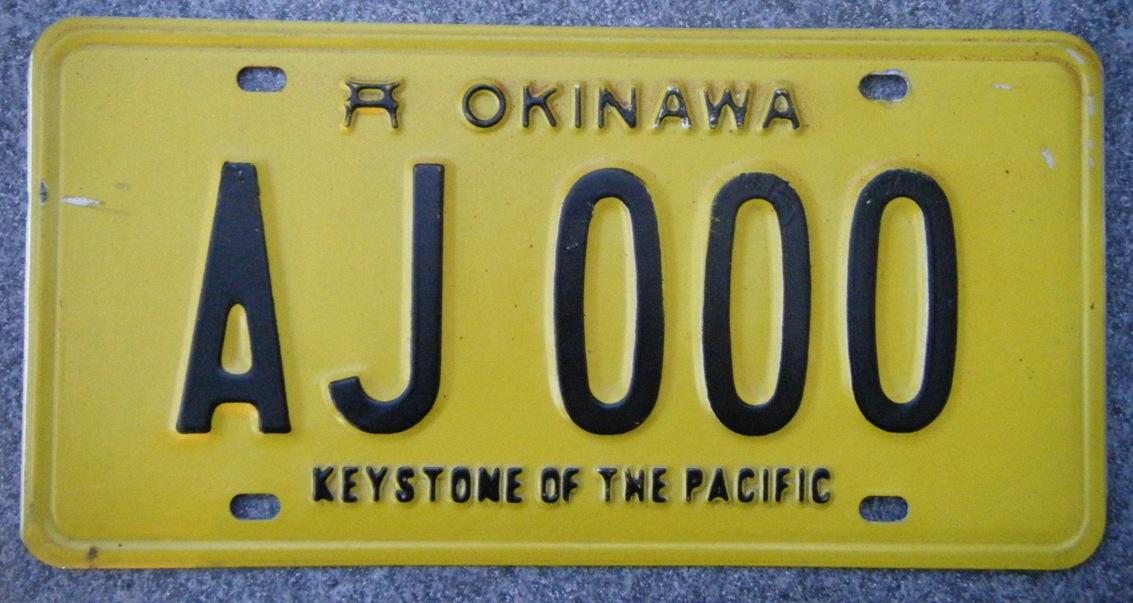
Watts. Cleveland. Newark. Detroit. In the 1960s and early 1970s, the inner cities of the United States burst into angry flames. One riot that is all-too-often forgotten from this list is the uprising that occurred in the Okinawan town of Koza when the island was still occupied and administered by the United States.
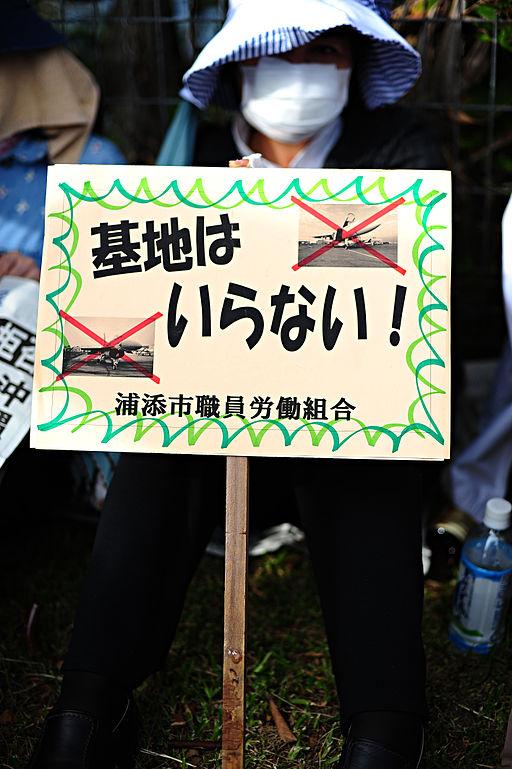
The debate over the controversial plan to relocate a U.S. Marine air base from Futenma to Henoko is set to heat up again. Last June, then-Prime Minister Yukio Hatoyama resigned after failing to keep his campaign promise to move the air base off of Okinawa and acquiescing to U.S. pressure to hold to the original 2006 force realignment agreement. His successor, Naoto Kan quickly reiterated his administration’s willingness to adhere to the agreement, and both Washington and Tokyo sought to move on from what had grown into an ugly conflict between the two allies.

One of Chalmers Johnson’s last concerns, closing Futenma air base in Okinawa, may yet come to pass.
Five decades after the adoption of the (revised) US-Japan Security Treaty, and two decades after the end of the Cold War, Cold War assumptions still underpin the relationship between the world’s leading industrial democracies. A belated Japanese attempt to change and reform the relationship in 2009-2010 ended in failure and the collapse of the Hatoyama government. Whether the Kan government can do better, remains to be seen. The “Client state” relationship proves difficult to transcend. The “Okinawa problem” has emerged as a crucial bone of contention, not only between the US and Japanese governments but between the people of Okinawa and both governments.
Despite claims by Washington and Tokyo that the controversy over the relocation of a Marine Air Base in Okinawa has been resolved, it seems increasingly likely that this will become a recurring crisis, threatening to undermine the U.S.-Japan relationship, unless addressed appropriately.
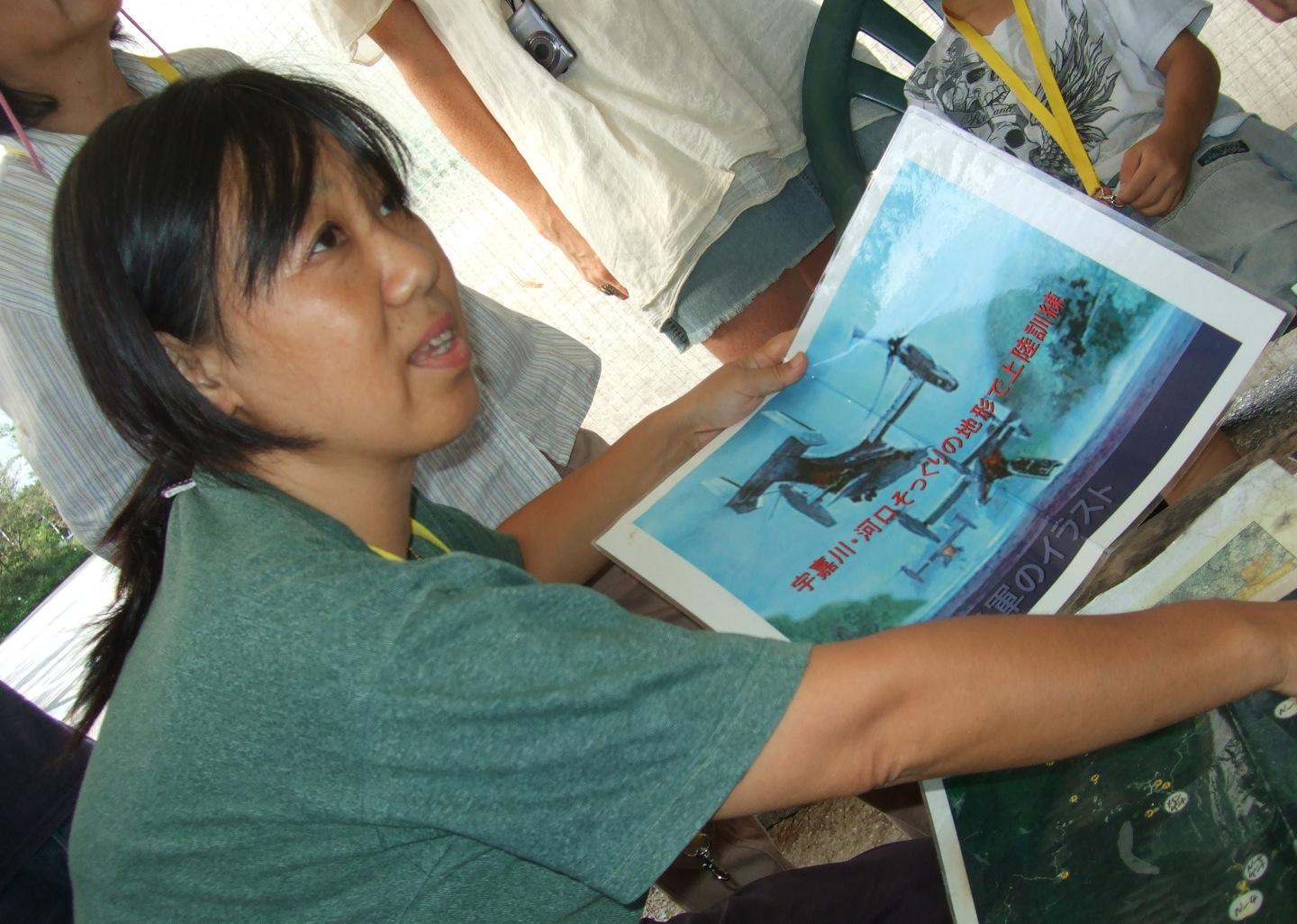
The residents of Takae, a small village in the hills of northern Okinawa, are no strangers to the American military. Since 1957, they’ve been living next to the world’s largest jungle warfare training center – and many of them are old enough to remember the days when the U.S. Marine Corps hired locals to dress up as Vietcong for its war games.

Although the clash between Washington and Tokyo over U.S. military bases on Okinawa has been officially treated as a relatively minor dispute, it has laid bare very serious underlying problems that will continue to plague the alliance. The United States expects greater Japanese engagement and cost-sharing to ensure regional security. To maintain regional stability, Japan must either become more engaged (requiring increases in military spending, and the political and social will to change existing laws and norms) or the alliance must remain asymmetric. Both of these alternatives face perhaps insurmountable obstacles in the local opposition to base expansion and the financial realities facing Japan and the United States.