Amid crises in Venezuela, migration, and the climate, the Western Hemisphere’s chief regional organization has been hobbled by pro-Trump leadership.
Maybe we’ll never see America’s torturers behind bars. They should still have to tell the truth about what they did.
Latin America’s transition out of dictatorship hinged on two words the U.S. would be wise to heed: “Never again.”
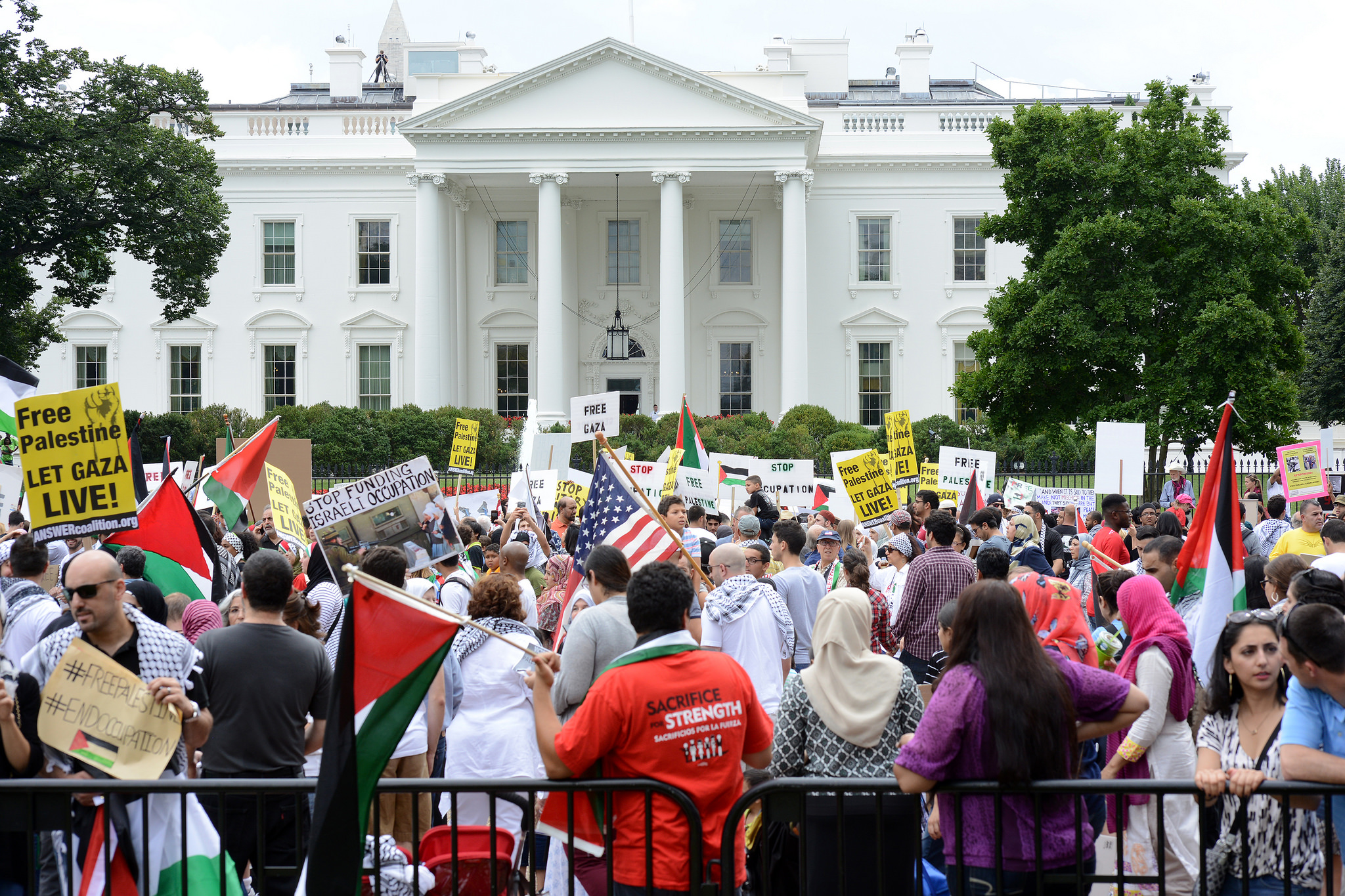
U.S. civil society is more critical of Israeli actions in Palestine than ever. When will the U.S. government catch up?
Uruguay’s president has put the country on the map as one of the world’s most exciting experiments in creative, progressive governance.
Without a doubt, the 68th UN General Assembly will be remembered as a watershed. Nations reached an agreement on control of chemical weapons that could avoid a global war in Syria. The volatile stalemate on the Iran nuclear program came a step closer to diplomacy....
At the annual UN General Assembly meeting held in New York, presidents from around the world have the chance to state their views on the key international issues of the day. Not surprisingly, the crisis in Syria, Iran’s pursuit of nuclear weapons and the Millennium...
In the latest challenge from Latin America to drug war orthodoxy, the Uruguayan government unveiled a proposal to create legal, government-controlled markets for marijuana.
The initial reaction of many Latin American leaders to the unfolding U.S. financial meltdown has been an almost gleeful celebration of arrogance’s defeat. As the situation’s gravity multiplies, responses have become more tempered, but disdain for the years in which the region acted as a primary laboratory for the economic experiments of the United States, the International Monetary Fund, and the World Bank remain. Frequently such feelings have emanated from the way these prescriptions were imposed upon societies experiencing the "shock" of political repression — a process that Chilean economist Orlando Letelier once eloquently described as the linking of technical considerations with terror. Economic growth was pursued no matter its social or human cost.
Now a new generation of leaders, elected in large part due to the shortcomings of the market fundamentalism of the "Washington Consensus," has staked much of its political future on altering such conventional economic wisdom. In particular, this new wave of leadership has placed the creation of varied economic solutions that move the region beyond neoliberalism and its disregard for social welfare at the top of their agendas. While the triumph of these local, national, and regional initiatives are far from guaranteed, change in the directorship of the Latin American laboratory continues to inspire hope that sustainable, innovative economic alternatives will take hold.