As the Trump administration tries to do damage control in Asia, Korean women are leading a movement to re-define their country’s relationship with Washington.
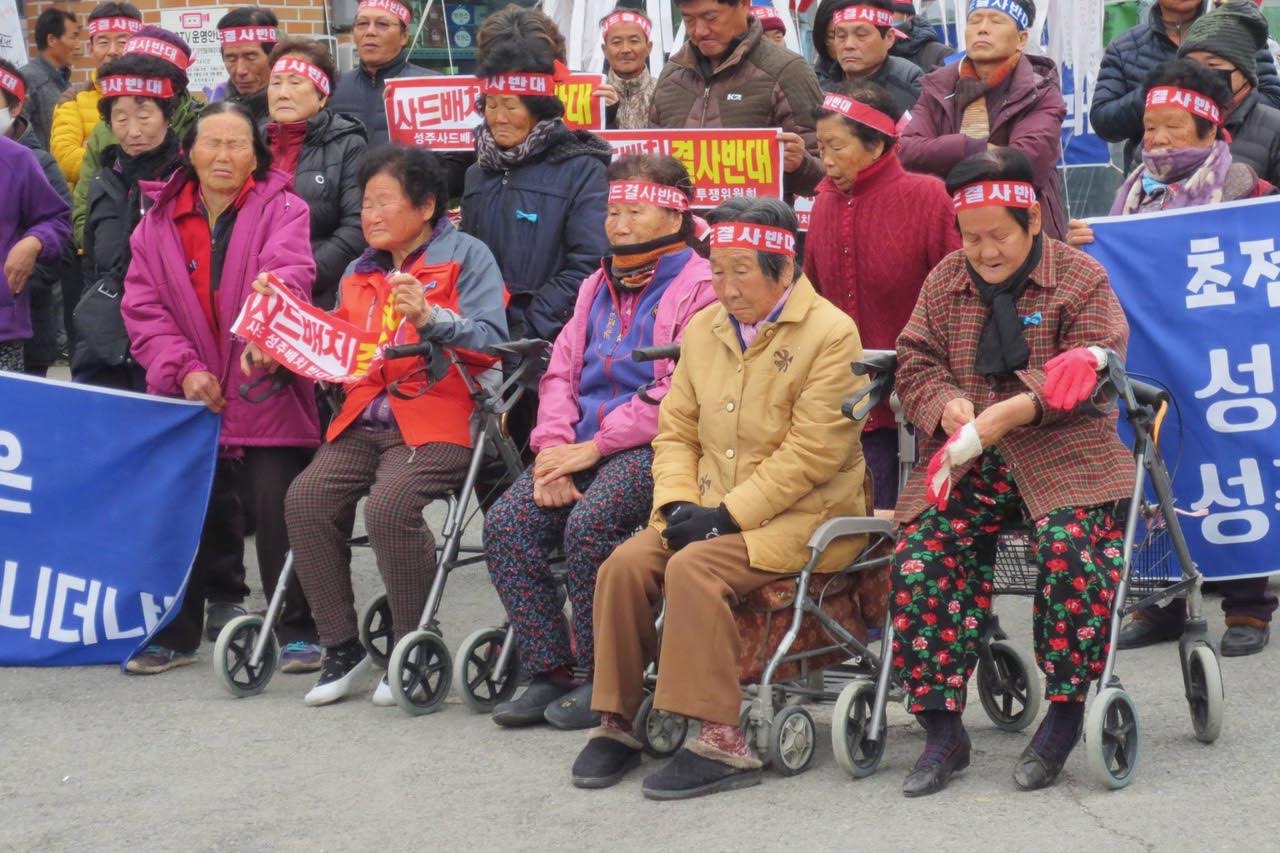
Korean Women Take On Trump
read more

As the Trump administration tries to do damage control in Asia, Korean women are leading a movement to re-define their country’s relationship with Washington.

Pyongyang’s latest nuclear test may be a last-ditch effort to get on the U.S. agenda before Obama leaves office and a hawkish new president comes in.

Japan and South Korea have reached an agreement on the “comfort women” issue that has made a lot of people uncomfortable.

In the Philippines, the grandson of a despised collaborator has endorsed the remilitarization of his country’s former occupiers — by the grandson of a war criminal, no less.
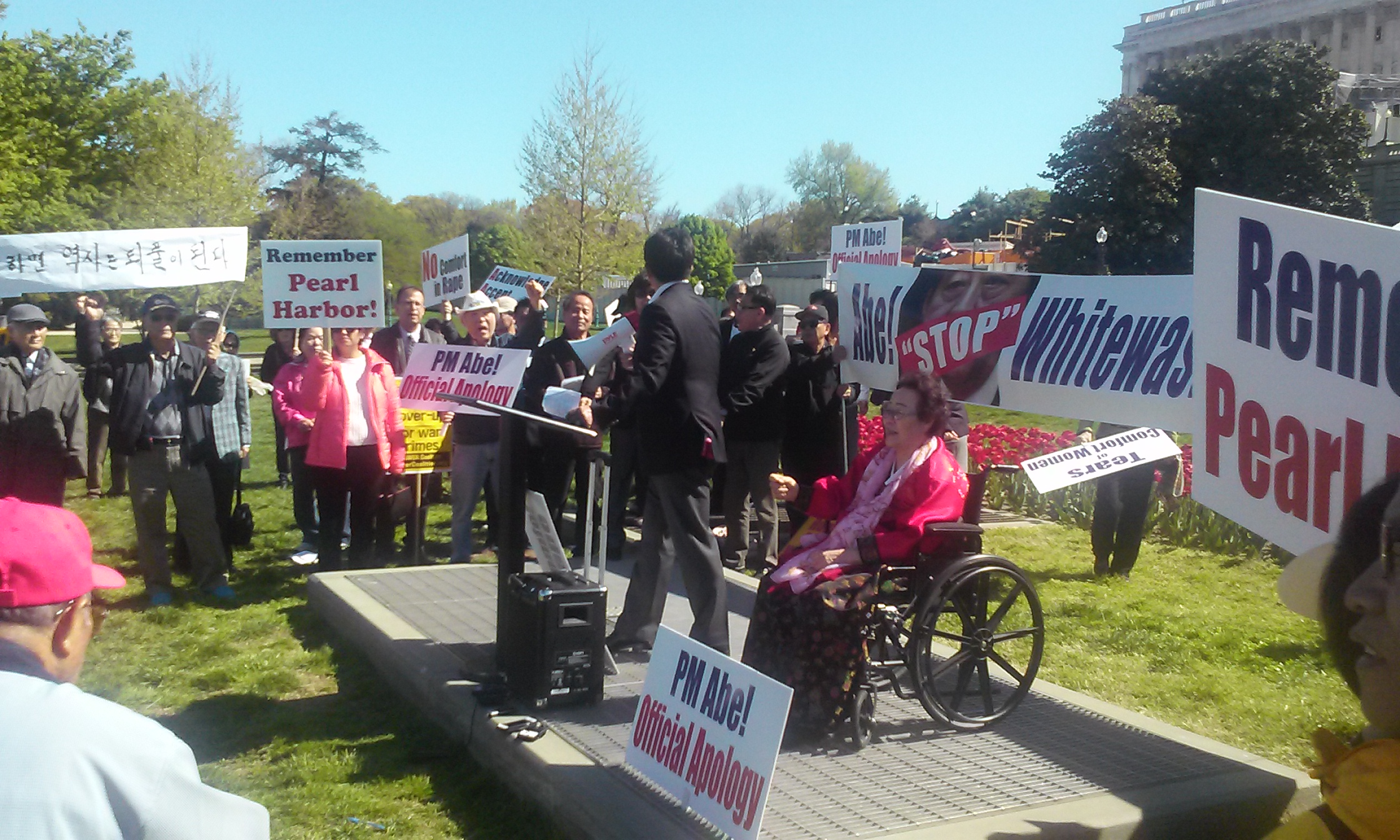
Japan wants a “normal” foreign policy. Its neighbors want apologies for wartime atrocities — and an assurance that Japanese militarism is a thing of the past.

Japan’s war hawks and imperial apologists are alienating the country’s allies and making a confrontation with its rivals more likely.
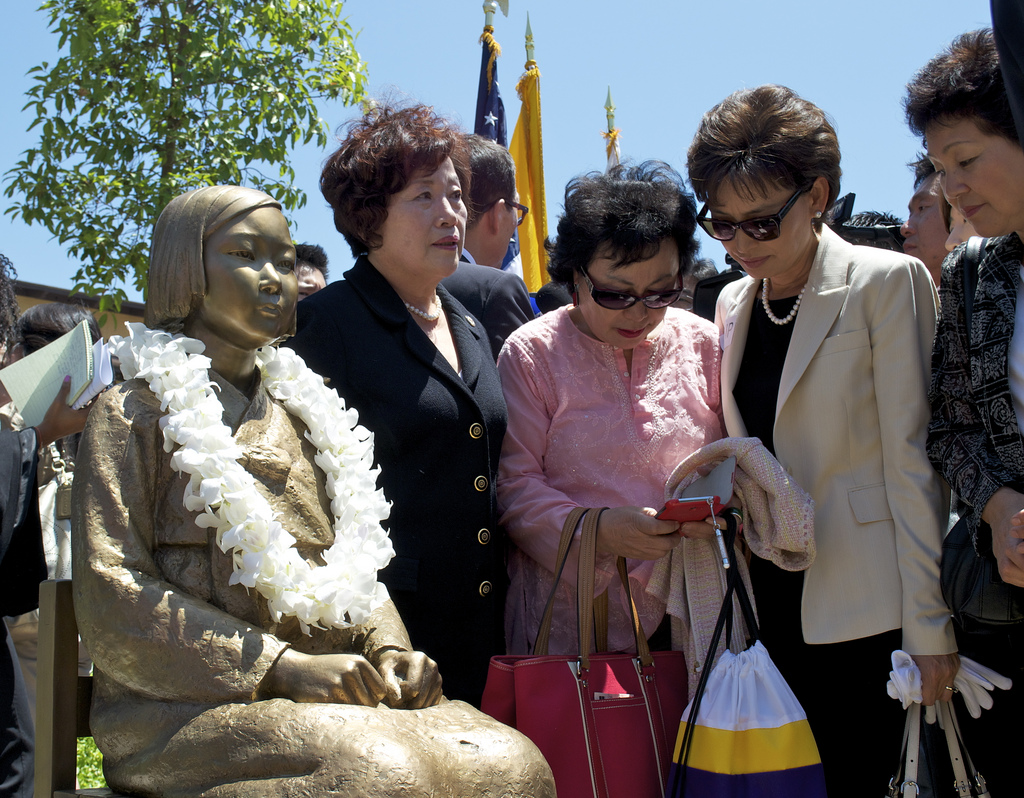
A growing global movement is ensuring that if the Japanese government won’t hold itself to account for its crimes against women, then history will.
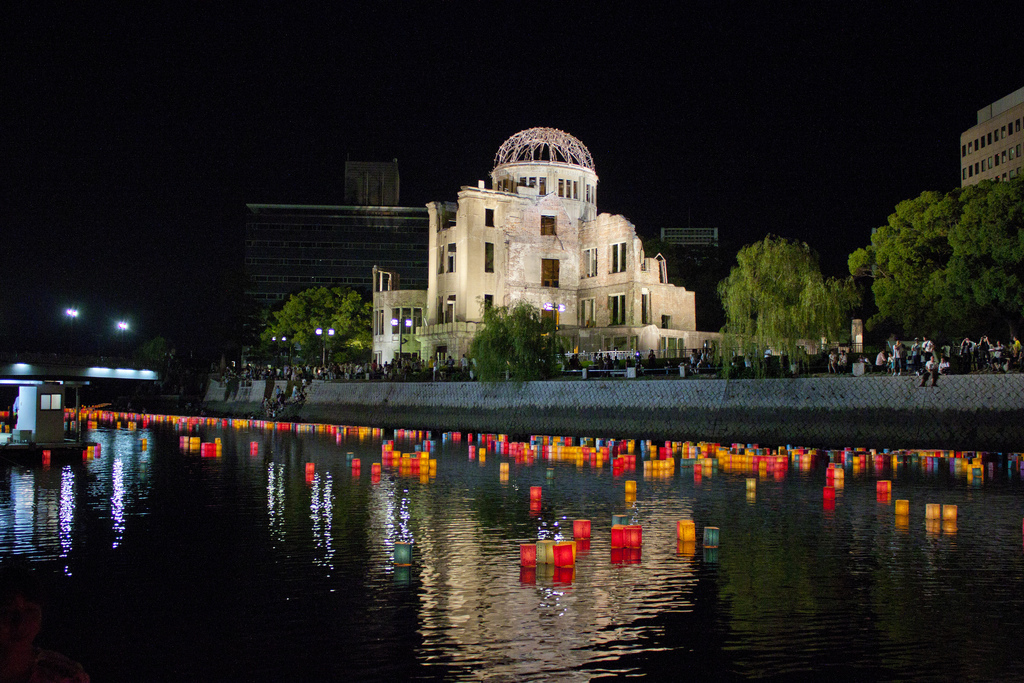
When a government refuses to apologize for war crimes, it means it would be willing to commit them again.
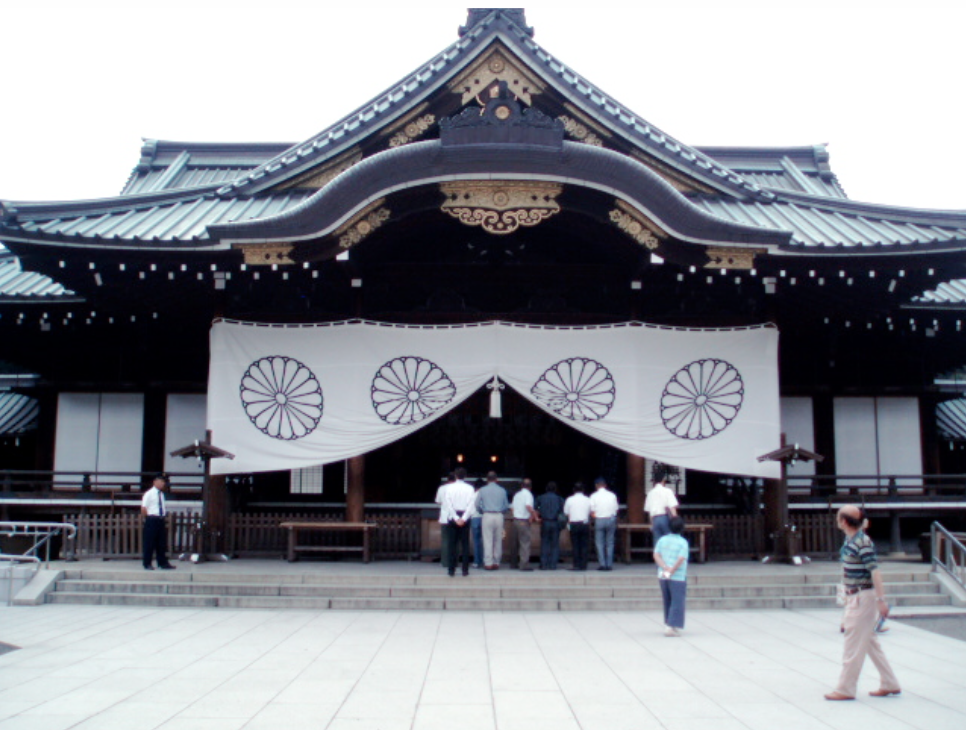
Under Prime Minister Shinzo Abe, Japan’s chauvinistic surge has inflicted unmistakable damage on its national brand image.
A storm is brewing in the Western Pacific. As the Asia-Pacific region descends into a period of destabilizing conflict, the Philippines is quickly becoming a frontline state in the U.S. strategy to contain China—the central thrust of the Obama administration’s...