With 43 disappeared student teachers presumed dead, Mexican popular resistance is creating new alternatives to the militarized narco-state.
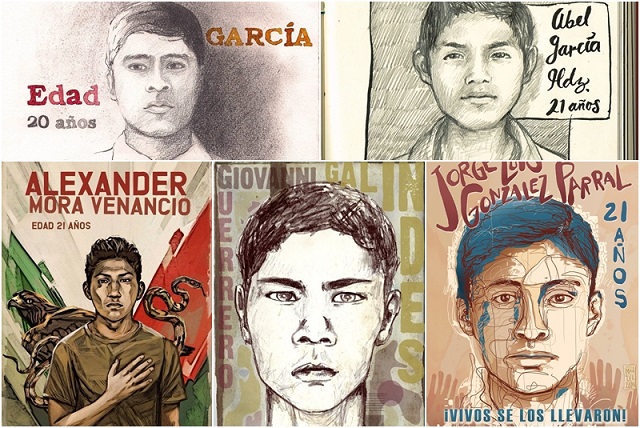
Mexico’s Undead Rise Up
read more

With 43 disappeared student teachers presumed dead, Mexican popular resistance is creating new alternatives to the militarized narco-state.

2015 could yet see some significant developments—at least on issues where the White House and GOP are aligned.
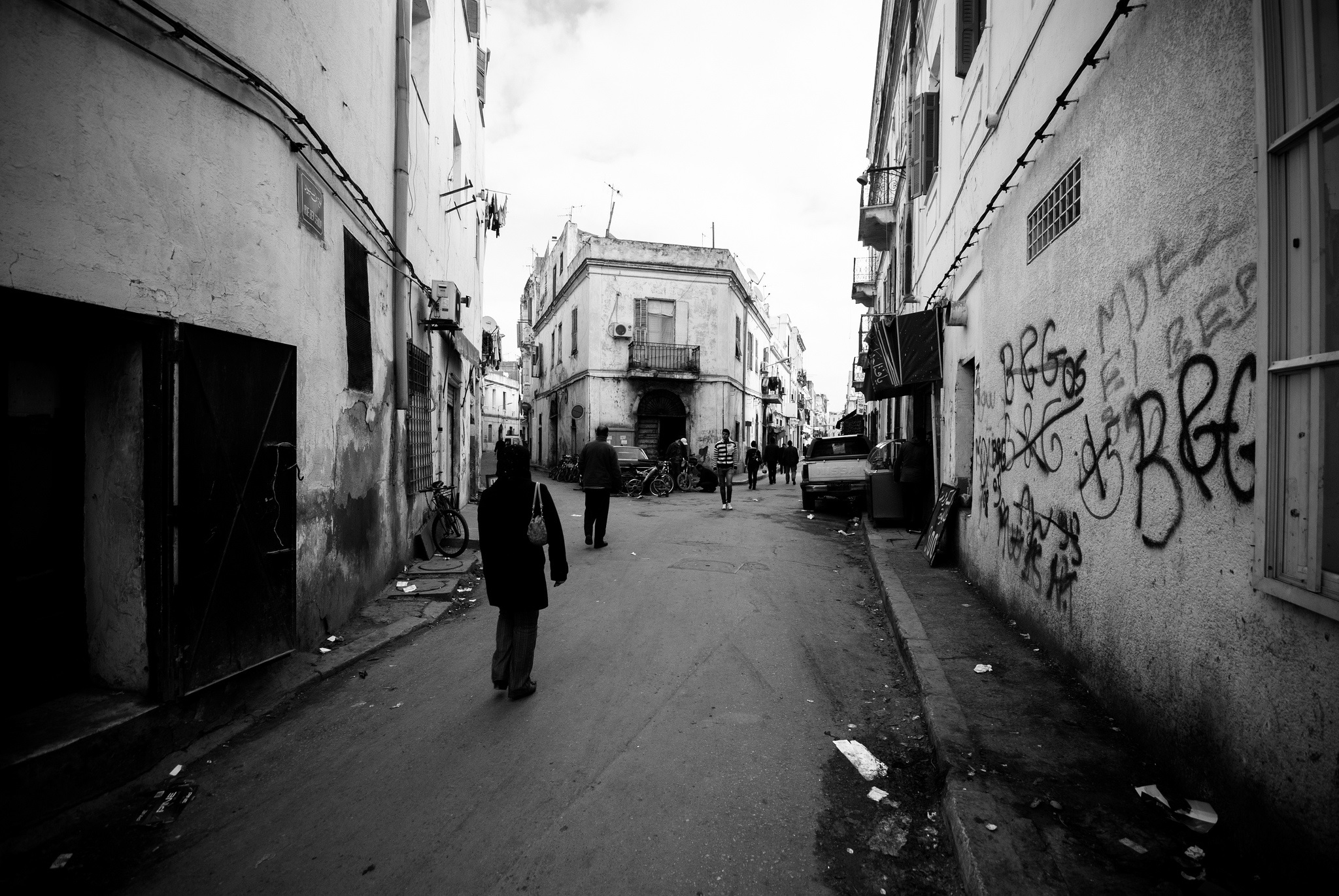
Religious tensions, remnants of the police state, and a broken-down neoliberal economic model imperil Tunisia’s otherwise impressive democratic transition.
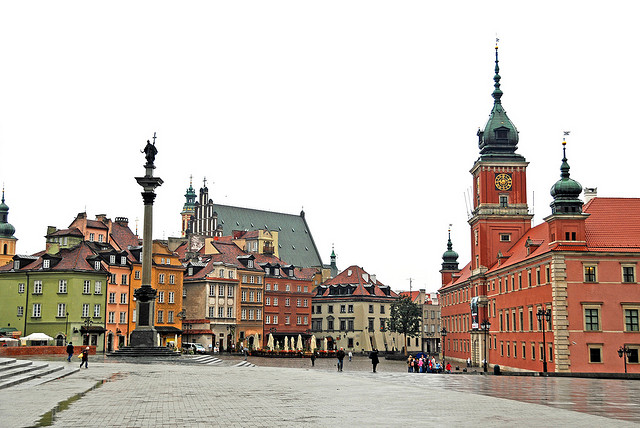
In Poland, the market has replaced Solidarity as a symbol of civil society.

Few images from the last days of the Cold War are as enduring in the West as the fall of the Berlin Wall. But in Central and Eastern Europe, a more complex picture emerges.

Backsliding reforms, attacks on civilians, and evidence of war crimes are among the troubling reports just ahead of President Obama’s visit to Burma.

Mass uprisings like the one that brought down the Soviet bloc are neither as rare — nor as spontaneous — as they first appear.

With a U.S.-trained military officer now running Burkina Faso, will Washington press for a democratic transition or legitimize a military coup?

According to Central Europe expert Dariusz Kalan, the biggest mistake since the Warsaw Pact was disbanded is that “we don’t have a common voice in Central Europe.”

In the “fast-fast” political culture of South Korea, some leaders are patiently—and effectively—making strides for democracy, clean energy, and maybe even peace.