Nuclear war hawks forget to factor human error into their national-security equation.
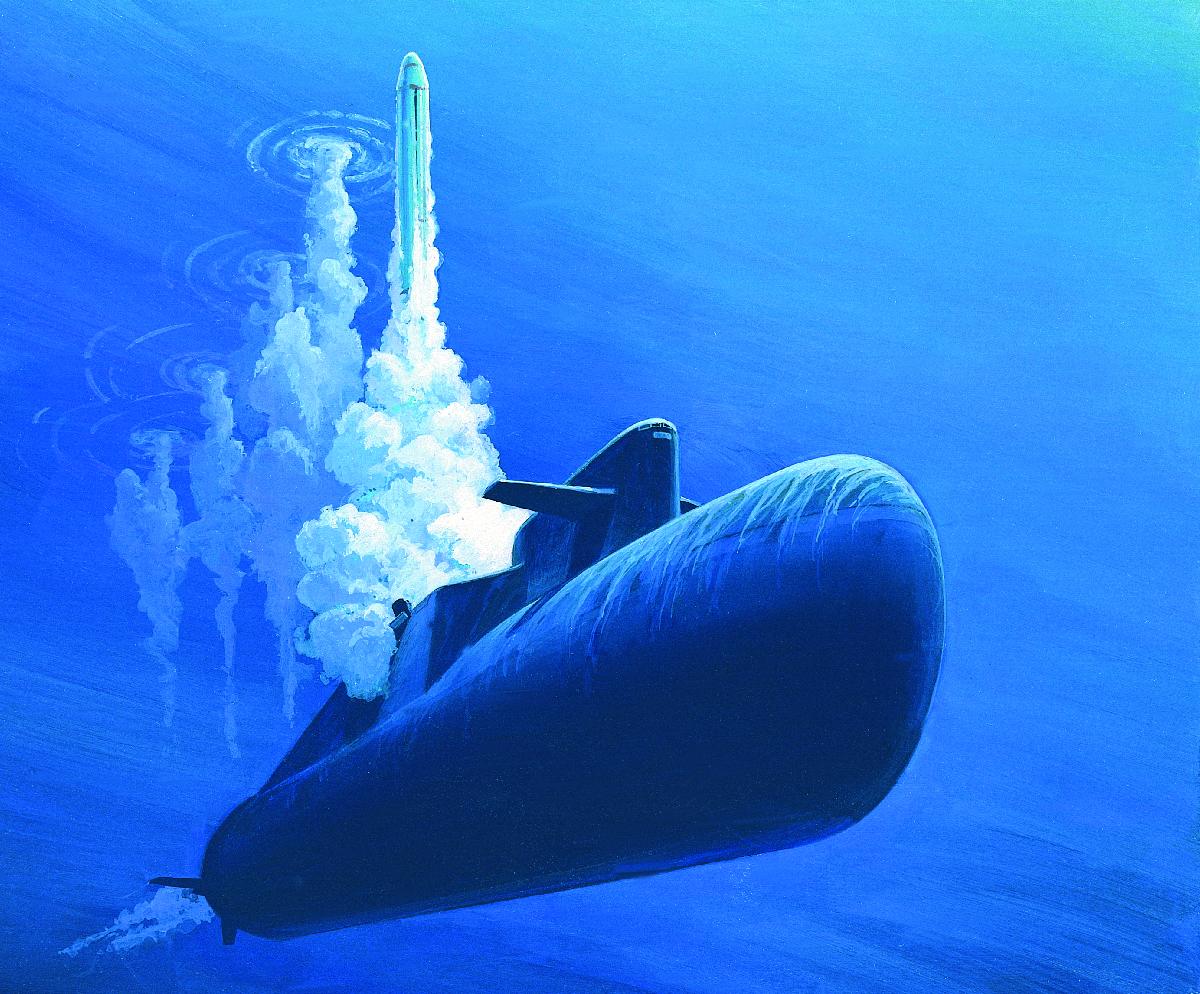
Nuclear Weapons’ Lofty Safety Standards Often Go Unmet
read more

Nuclear war hawks forget to factor human error into their national-security equation.

As in the 1940s in Palestine, some opposition recruits have gone to Syria motivated by extremist ideologies and with the intention to commit acts of terrorism. But most have more prosaic reasons for fighting.

As a principle and practice, deterrence existed long before nuclear weapons.
As unrest simmers in the Middle East and the United States edges toward detente with Iran, Israel and Saudi Arabia are trying to ride out the storm together.

Another Iranian overture spurned.

Given the roots of the ongoing conflict in North Kivu, military victory amounts to exchanging one group of exploiters for another.

Zombies speak to our perennial anxieties about war, pandemics, and globalization.

No one knows what a major state would be like if it radically cut back its intelligence services–but based on the recent American record, it’s hard to imagine we could be anything but better off.

Starting on November 17, the British launched the single most intensive bombing attack on a city in World War II.

Iranian-American author Hooman Majd says that Americans are starting to see Iran as more than “just a bunch of crazy mullahs shouting ‘Death to America’ all the time.”