Bush’s ambassador to Zimbabwe believed that if we “stayed the course,” our “freedom agenda” would reign.

Bush’s ambassador to Zimbabwe believed that if we “stayed the course,” our “freedom agenda” would reign.

China’s hostility toward African traders in its midst mirrors its ambivalence over its integration into the world economy.
It is hard to avoid concluding that the current divestment bills under consideration by the state of Pennsylvania are merely politically opportunistic measures, destined to be as ineffective as they are self-serving.
Under the guise of developing ‘climate-ready’ crops, the world’s largest seed and agrochemical corporations are pressuring governments to allow what could become the broadest and most dangerous patent claims in intellectual property history. A new report by ETC Group[1] reveals a dramatic upsurge in the number of patent claims on ‘climate-ready’ genes, plants and technologies that will supposedly allow biotech crops to tolerate drought and other environmental stresses (i.e. abiotic stresses) associated with climate change.
Dear President Obama,
You’re not the man I thought you were.
Most progressives have no problem finding flaws with your first years as President to criticize you about, whether it’s the whittling down of the healthcare bill, decision to ramp up military operations in Afghanistan, failure to close Guantanamo, or deal effectively with Climate Change at Copenhagen.
For me however, it is the moments in which you have an opportunity to make a clear decision, with profound moral implications, and yet choose to act in a way that makes me ashamed to call you my President…

October 31 marked the tenth anniversary of the momentous UN resolution on women, peace and security—UNSCR 1325. This set a new international standard that requires all parties—the UN, states, and armed militias—to ensure that women participate fully in peace negotiations and post-conflict reconstruction. If this really worked, it would transform our militarized world.
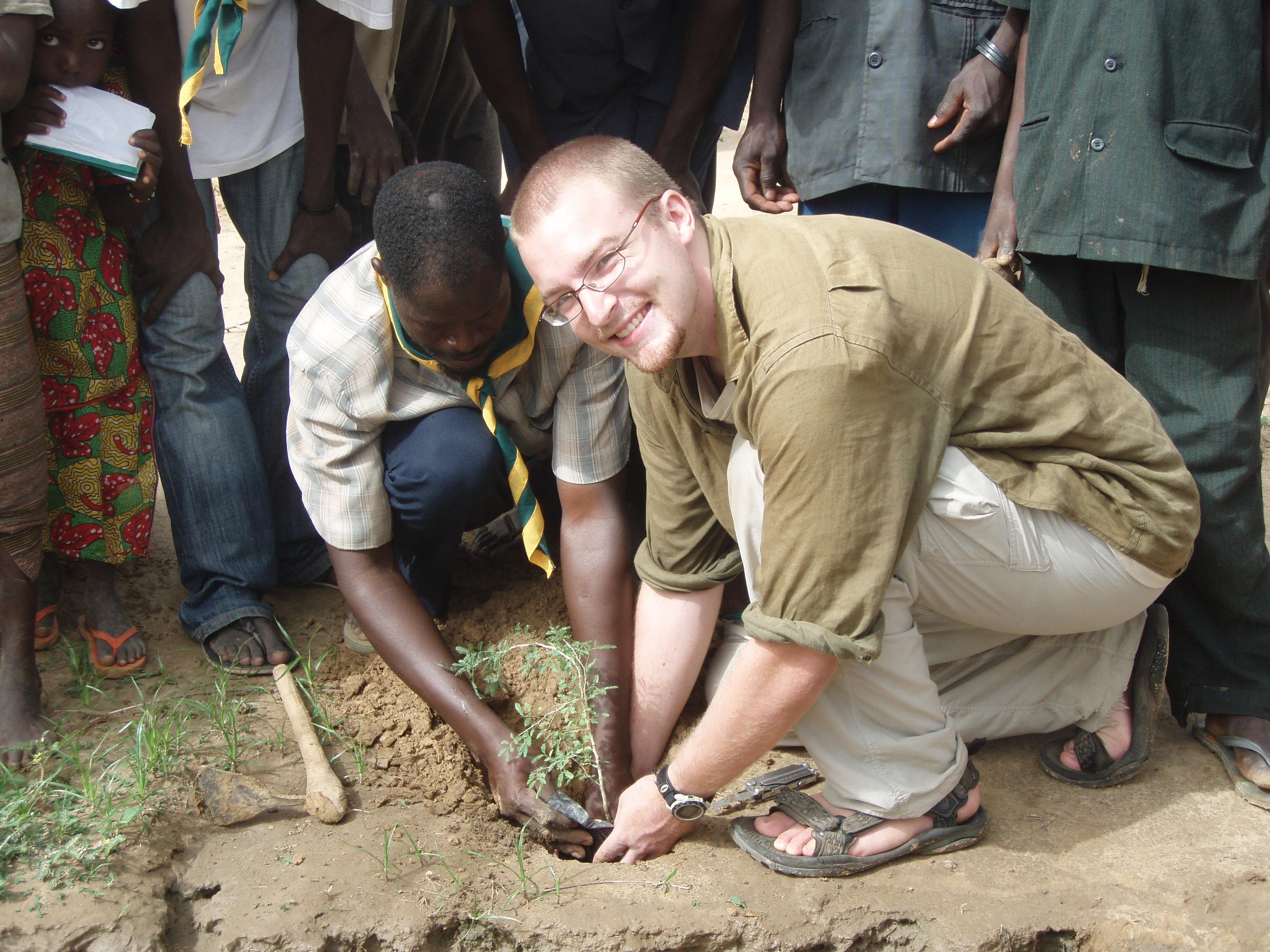
Operation Flintlock was part of the Bush administration’s Trans-Saharan Counterterrorism Initiative. It was designed to address the specter of terrorism in the Sahel region, between the Sahara desert to the north and the savannas to the south, by building the capacity of local militaries and preventing terrorist organizations gaining a foothold there. It also signaled the increased importance that the Pentagon assigned to Africa with the development of AFRICOM, the U.S. military command for Africa.
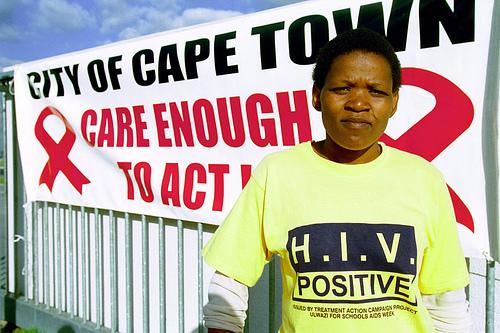
In the sweeping fashion of global development commitments, 2010 marks the year by which countries and health agencies worldwide have pledged to scale up their HIV/AIDS interventions “towards universal access” to treatment. In the more sobering reality of shifting donor priorities, funding shortfalls in 2010 may actually represent the beginning of a move away from universal access in the global HIV/AIDS response.
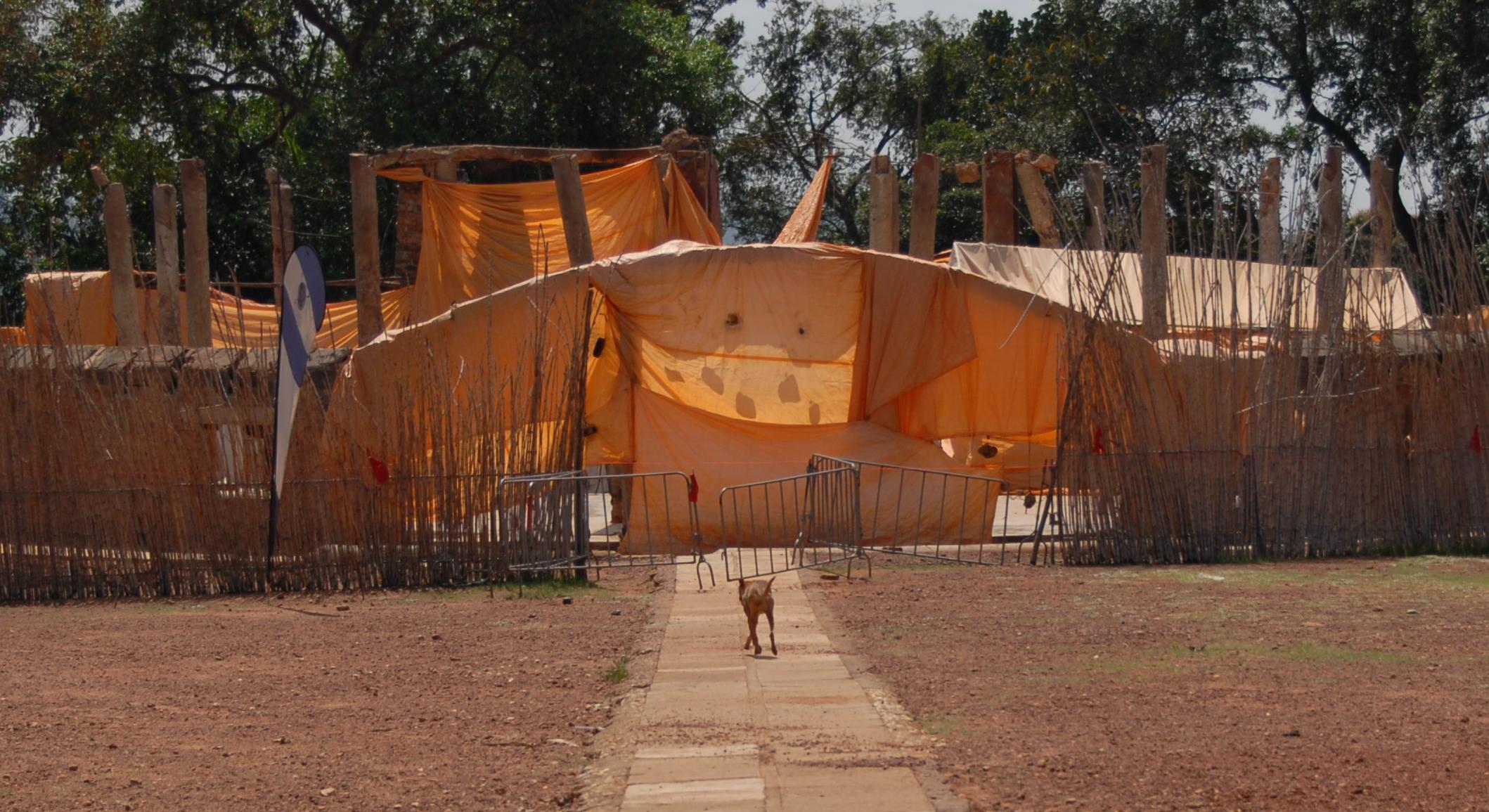
To drive in Uganda’s capital is close to impossible. It is a madness of deep and treacherous potholes, dust, winding streets, beggars that overflow to the roadways. So I leave my car at the hotel and hire a driver to take me to the Kasubi Tombs that burned to the ground earlier this year during riots and tribal violence.
Things do not go smoothly.
The Rising Continent assesses the performance of the International Criminal Tribunal for Rwanda (ICTR) and UN peacekeepers’ forces in DR Congo (MONUSCO), and concludes that both failed to live up to their mandate: ‘[In] November 2010 it will be sixteen years that ICTR will have been put in place. The budget spent on its operations will be almost 1.5 billion $ by the end of 2010. The Tribunal has so far investigated and sentenced only one side to the Rwandan genocide…