Latin America’s largest country once looked ascendant. Now it’s been laid low by widespread violence, structural racism, endemic corruption, and external economic shocks.

What Happened to Brazil?
read more

Latin America’s largest country once looked ascendant. Now it’s been laid low by widespread violence, structural racism, endemic corruption, and external economic shocks.
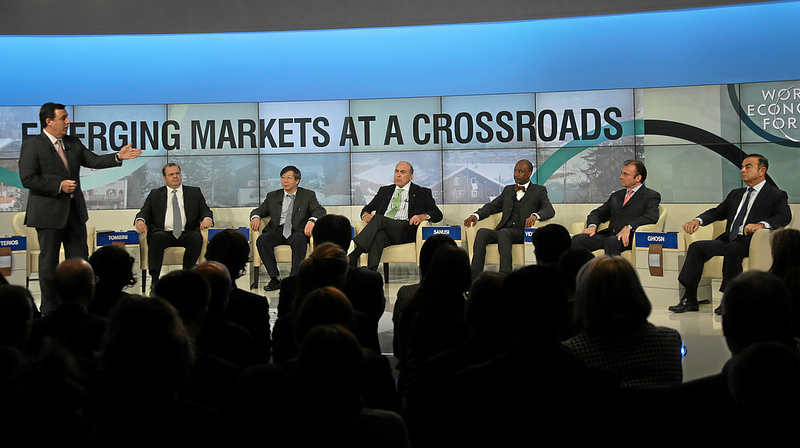
The BRICS were well poised to rival the West’s control of the global economy. But while they grapple with economic slowdowns and rising social tensions, other blocs of developing economies are rising to the fore.

The new BRICS bank could rival the IMF or fall flat on its face. Either way, it’s a sign of shifting global power and influence.

Latin America’s transition out of dictatorship hinged on two words the U.S. would be wise to heed: “Never again.”
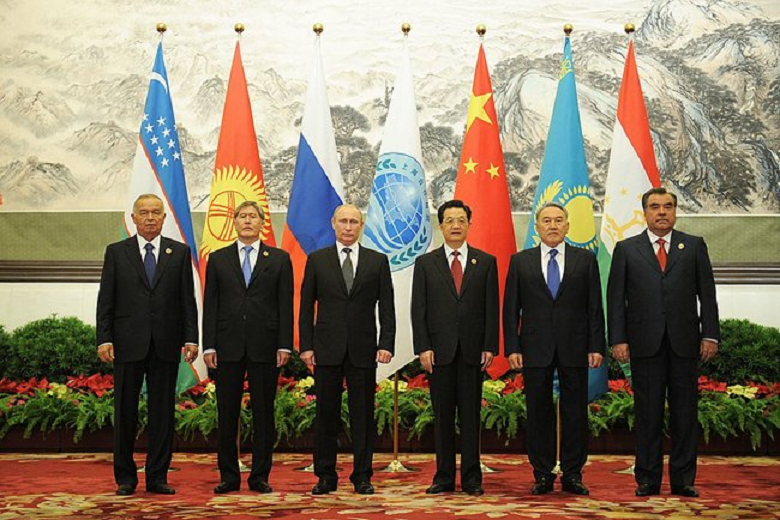
A thousand poles are blooming as new international blocs like the Shanghai Cooperation Organization and the BRICS Development Bank emerge to challenge Western economic and military hegemony.
Can the BRICS wrest control of the global economy from the United States and Europe, or will their internal contradictions tear them apart?

The recent round of sanctions aimed at Moscow could backfire on Washington by accelerating a move away from the dollar as the world’s reserve currency.
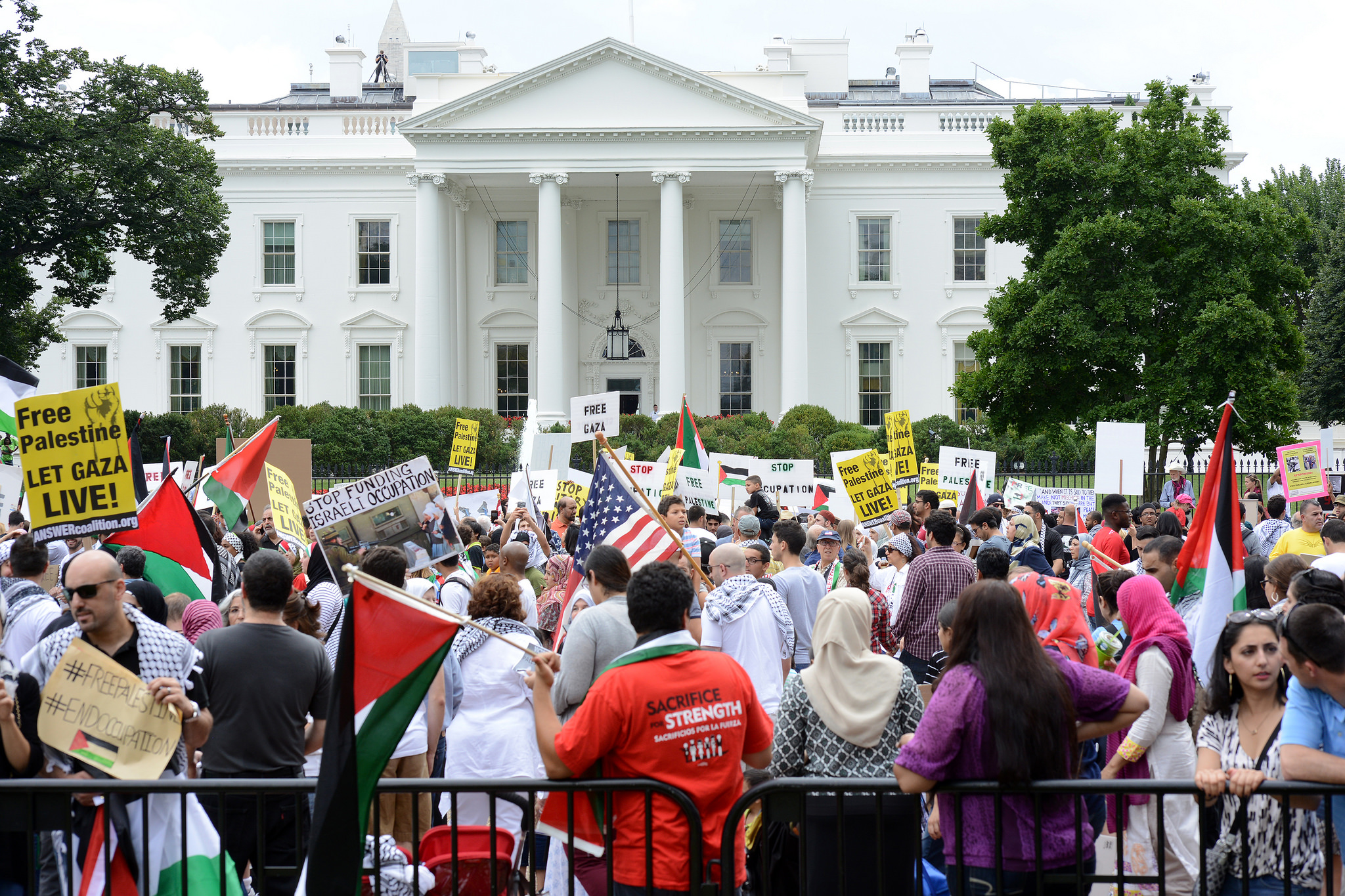
U.S. civil society is more critical of Israeli actions in Palestine than ever. When will the U.S. government catch up?
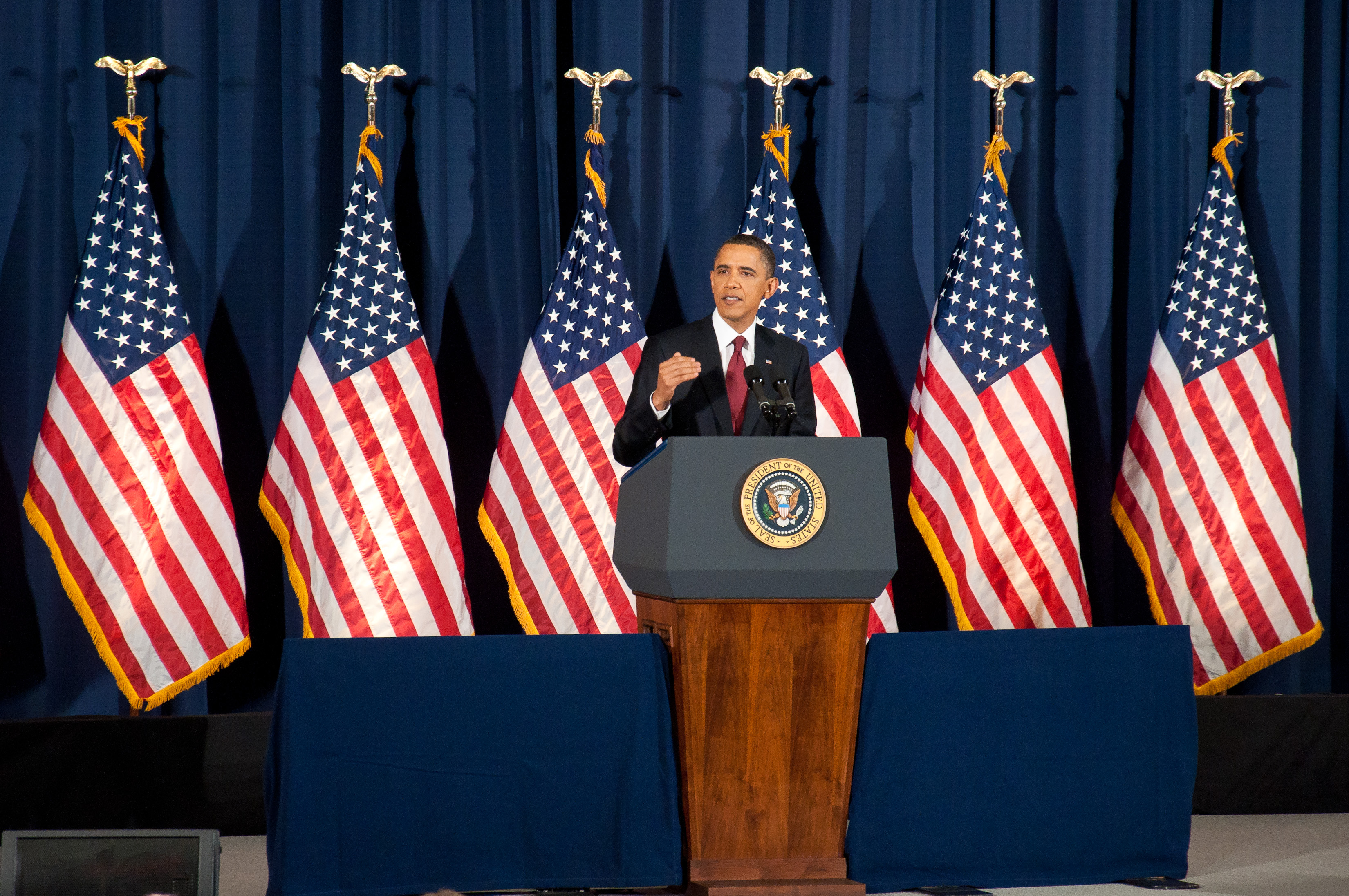
Four myths American exceptionalists peddle about the U.S. president and America’s role in the world.
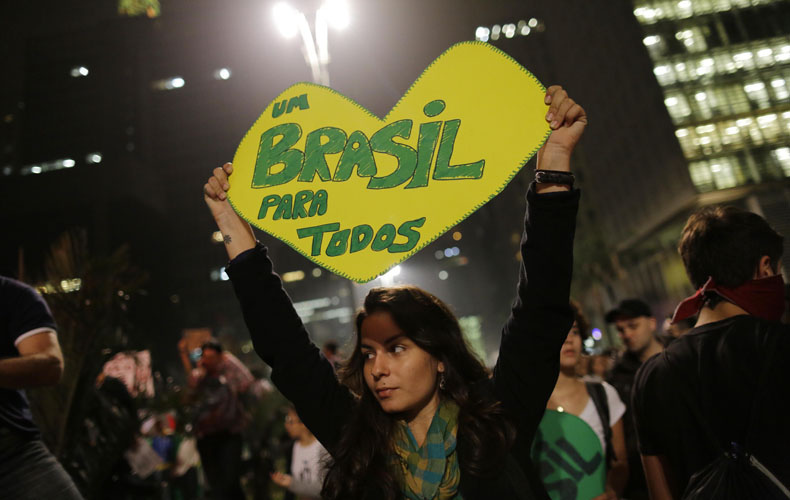
Fighting corruption is a proven means to reduce inequality. But the issue has often been co-opted by elites looking to do just the opposite.