Hawaii’s members of Congress sit at the linchpin of a huge realignment of U.S. military power. Good luck getting them to talk about it.

The U.S. Is Militarizing the Pacific — and Not Taking Questions
read more

Hawaii’s members of Congress sit at the linchpin of a huge realignment of U.S. military power. Good luck getting them to talk about it.

Wait until North Korea has a few more nuclear weapons.

Japan and South Korea have reached an agreement on the “comfort women” issue that has made a lot of people uncomfortable.
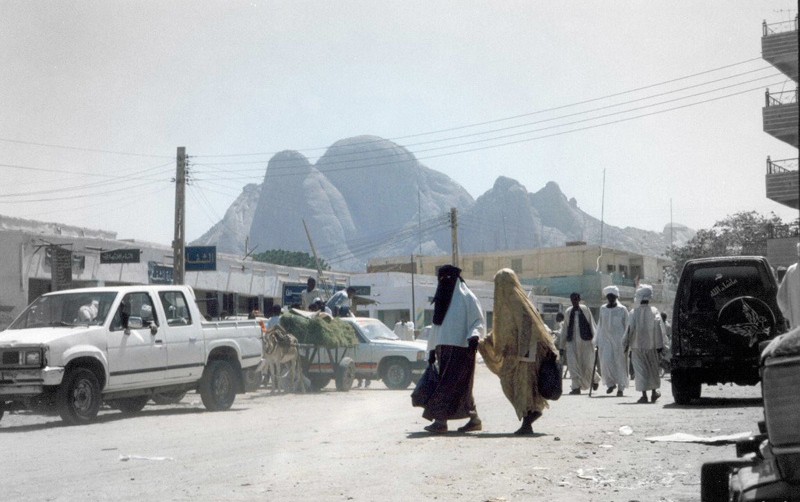
Thousands of Eritreans are marooned in this desolate corner of the Horn of Africa.

Let’s say the U.S. actually curbed its military adventurism, reeled in the Pentagon budget, and closed its global network of bases. Then what?

Washington and Tokyo remain committed to growing the U.S. military footprint on the island of Okinawa — whether Okinawans like it or not.
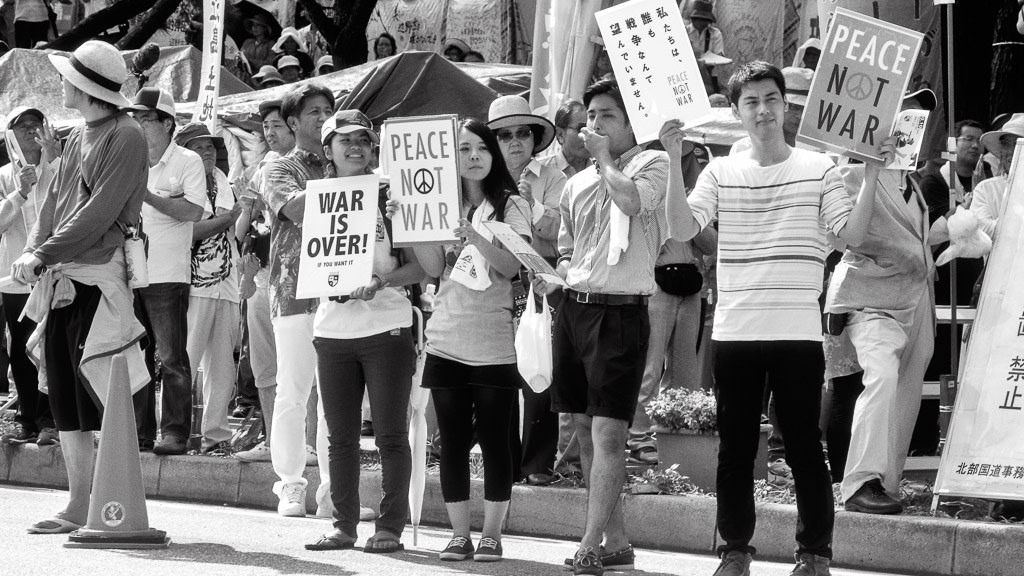
With its pacifist constitution (literally) beaten down into irrelevance, Japan is in the throes of an identity crisis.

In the Philippines, the grandson of a despised collaborator has endorsed the remilitarization of his country’s former occupiers — by the grandson of a war criminal, no less.

Despite the ongoing islands dispute, Japan and China are growing closer.

The U.S. military sits at the center of a dispute that’s plagued the peaceful island of Okinawa for decades.