Aldo Caliari is director of the Rethinking Bretton Woods Project at the Center of Concern in Washington, DC.
Aldo Caliari
read more

Aldo Caliari is director of the Rethinking Bretton Woods Project at the Center of Concern in Washington, DC.
Jo-Marie Burt teaches politics and Latin American Studies at George Mason University, where she is acting co-director of the Center for Global Studies. She is also a senior fellow at the Washington Office on Latin America (WOLA), where she has monitored the trial of...

On day 20 of testimony in the genocide trial against former Guatemalan dictator Efraín Ríos Montt last Thursday, Ríos Montt’s defense team walked out of the courtroom, proclaiming it will not be party to an illegal trial. Hours later, a judge declared the genocide trail annulled.
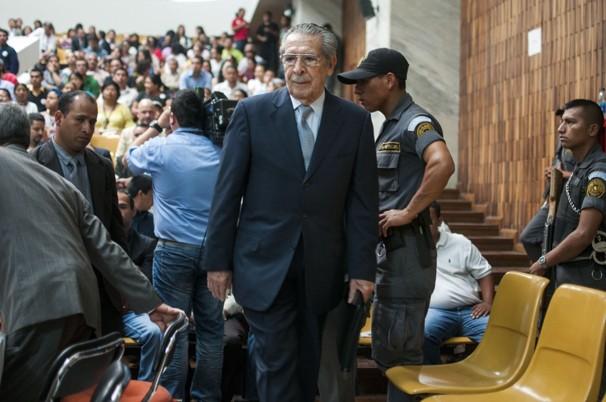
In a week of remarkable events and reversals in Guatemala, the genocide trial of former dictator Efraín Ríos Montt came to an abrupt halt on April 18 as a judge ruled all proceedings to date invalid. The witnesses who testified for the prosecution—dozens of survivors of mass rape and massacres—would have to testify again if the trial were to proceed. Meanwhile, death squads are again operating in Guatemala, eliminating indigenous leaders, union leaders, women’s rights activists, and others challenging the status quo and asserting their rights.

With a post-Castro Era looming on the horizon, the Obama administration should muster the political will to prepare the United States for February 2018, when neither Fidel nor Raul Castro will remain at the helm of the Cuban state.

Every once in a while, something happens to remind us just how far U.S.-Cuba relations have deviated from what they should be. In the first week of April, superstars Beyonce Knowles-Carter and Jay-Z strolled through Havana, engulfed in a sea of people. Reactions in the U.S. were immediate and indignant — and way off-base.
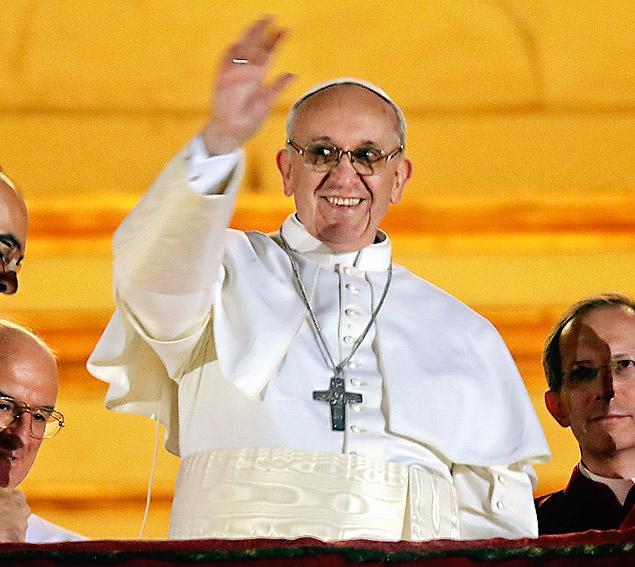
The conclave to elect the new Pope was an opportunity for the Catholic Church’s all-male college of cardinals to choose someone who would lead the Church into the 21st century. As they did when they elevated Joseph Ratzinger to his role as Pope Benedict XVI eight years ago, they flubbed the opportunity.
Emphasis, as always, added.
Will redemption be Pope Francis’s?