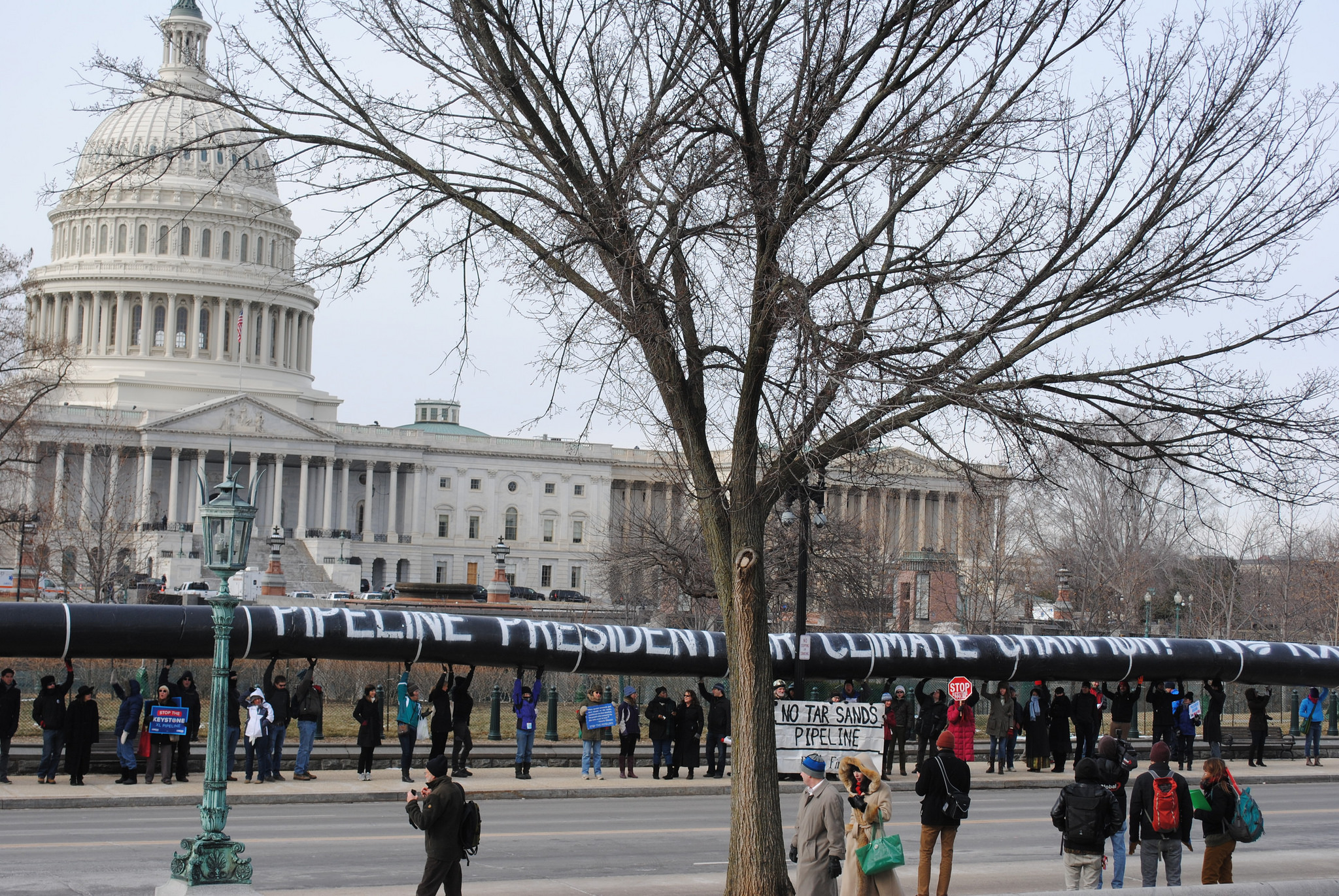
A Canadian oil conglomerate is suing the U.S. over its actions to protect the climate. It’s a small taste of what could come under the TPP.
In the Keystone Suit, It’s Big Oil vs. Democracy
read more

A Canadian oil conglomerate is suing the U.S. over its actions to protect the climate. It’s a small taste of what could come under the TPP.

How fighting back against one arcane, Nixon-era trade negotiating procedure could put a stop to a global corporate coup.

Warnings about the human and environmental costs of “free trade” went unheeded. Now the most vulnerable Central Americans are paying the price.

Decades of short-sighted, inhumane U.S. policies have brought a child refugee crisis to America’s door.

Costa Rican lawyer Roberto Zamora sued his government for supporting the Bush administration’s illegal war in Iraq—and won.
For 150 years, the history of this region was largely determined by Washington, but now the U.S. — not its opponents — is currently being marginalized in the region.

U.S. President Barack Obama’s most audacious phrase during his trip to Latin America that ended this week was “We are all Americans. Todos somos Americanos.” The phrase seemed designed to provoke rants from the right wing in the United States. But in fact, the right wing and the mainstream media largely overlooked Obama’s tour.
Scrapping tariffs can hurt poor farmers, and a deal with Colombia might boost coca production.
On April 11, the Center for Disease Control (CDC) released a report that found that of the national efforts to improve U.S. food safety, “none of the targets were reached in 2007.” According to the CDC, 76 million Americans – one in four – come down with food poisoning every year. Among the most common is E. coli, a byproduct of the system of industrialized animal agribusiness. Americans have a common perception that the problem stems from food coming from outside the country – from China, say, or Mexico. Instead, it’s our food that’s the problem.
Costa Rica’s recent referendum was supposed to decide once and for all whether that country should enter into the Central American Free Trade Agreement (CAFTA). Instead, the Oct. 7 vote polarized and politicized this small country of four and a half million people more than anything since neighboring Nicaragua’s war between the Sandinistas and the Contras two decades ago. And even though supporters of the treaty prevailed by a slim margin, CAFTA opponents still have a few cards to play and may yet block its implementation.