Can the BRICS wrest control of the global economy from the United States and Europe, or will their internal contradictions tear them apart?

The BRICS: Challengers to the Global Status Quo
read more

Can the BRICS wrest control of the global economy from the United States and Europe, or will their internal contradictions tear them apart?
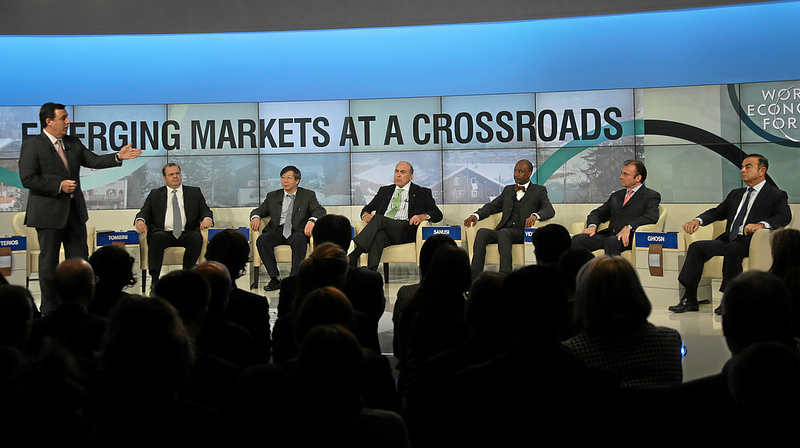
Searching for growth opportunities in a world still beset by financial crisis, multinational corporations and globalists are hyping all kinds of “emerging markets.”

Blind to the political and economic sources of their troubles, many Europeans are lashing out at gays, Jews, migrants, and the European project itself.
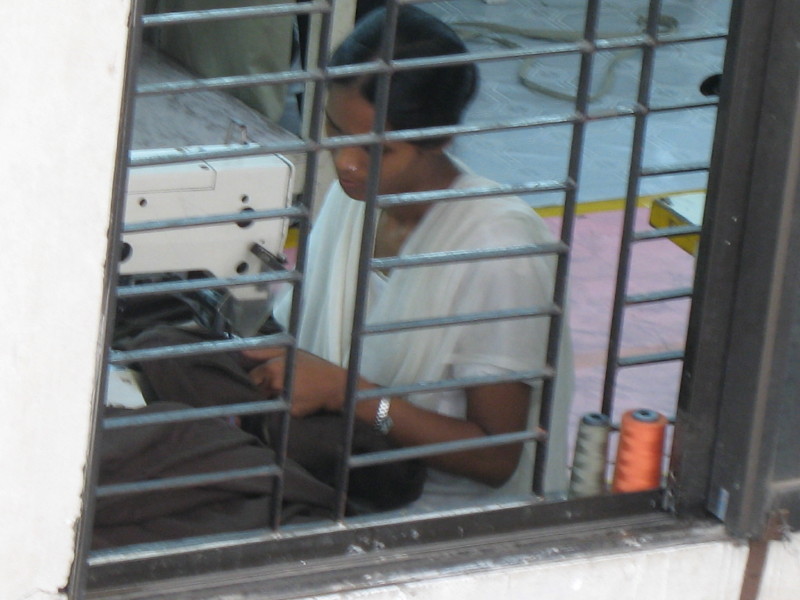
While feigning outrage at worker abuse in Bangladesh, the U.S. government has been quietly supporting the same sweatshop factories used by Wal-Mart and the Gap.

Zombies speak to our perennial anxieties about war, pandemics, and globalization.

Even if you have not been to steamy Mahalaxmi Dhobi Ghat, Mumbai’s well-known outdoor laundry facility, there is a chance that your clothing has. Densely packed against Mumbai’s central rail system, this iconic complex is the largest of many sites that collect, hand wash, dry, and deliver much of the city’s laundry. It’s also one of many reminders that the modern economy has not transcended the realities of undercompensated manual toil.

The Trans-Pacific Partnership trade agreement is shaping up to be as bad as NAFTA or worse.
For the first time, there’s been a concerted — and effective — effort to intervene in the nominating process and prevent a crony coronation.
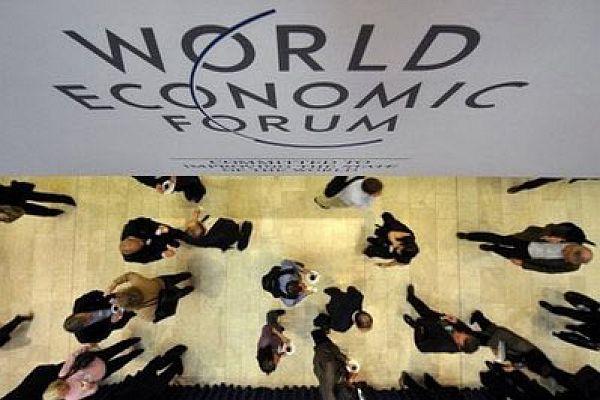
The World Economic Forum has released a new report calling for a “shift in mentality” to address a looming crisis typified by rebellion, protest, and political violence sparked by inequality and marginalisation across the world. The seventh edition of the organization’s Global Risks report highlights the increasing importance of marginalization as a security issue over the coming decades. It describes the “seeds of dystopia” threatening both social and political stability across the world.

Did 9/11 end the movement against corporate globalization?