It is sickening that the U.S. would deliver the Kurds to Turkish violence, but that doesn’t mean we should embrace the U.S. presence in Syria.
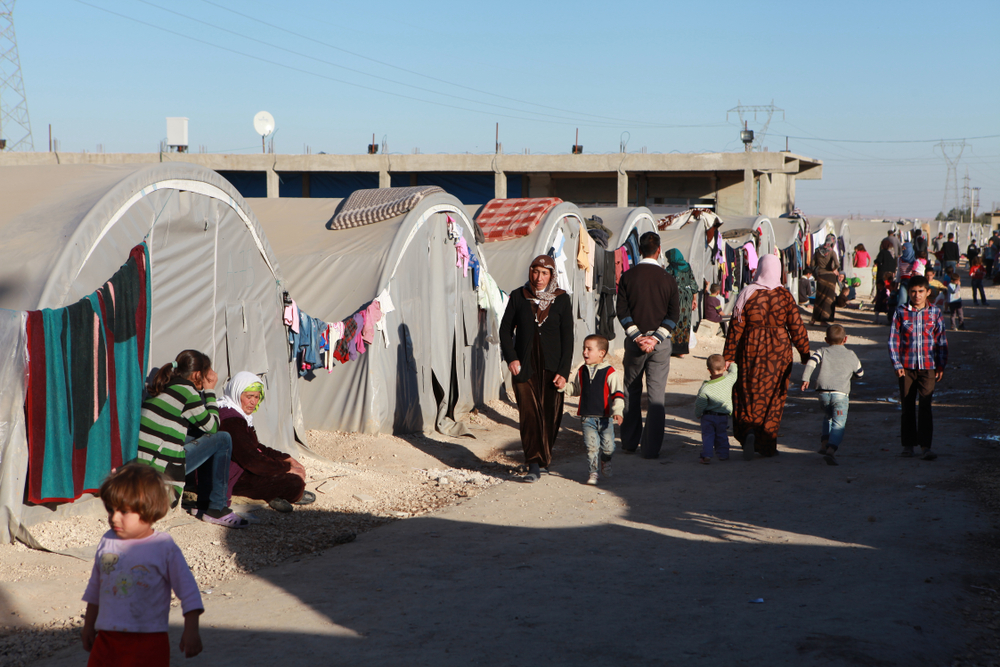
Trump’s Betrayal of the Kurds Is Terrible, But the Answer Is Not Endless War
read more

It is sickening that the U.S. would deliver the Kurds to Turkish violence, but that doesn’t mean we should embrace the U.S. presence in Syria.

The Kurds and the Misratan militias have seen U.S. support evaporate.

After 18 years of unchallenged power, the Turkish president finds himself in the middle of several domestic and foreign crises of his own making.

Kurds have established a democratic state in Syria. Can the United States help it survive?
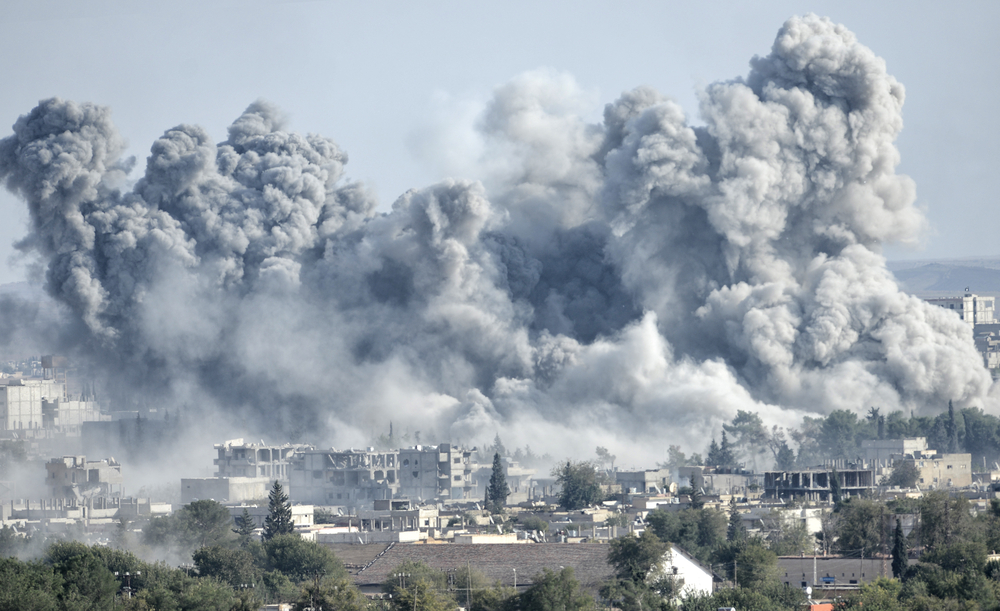
A small detachment of U.S. troops won’t protect the Kurds from Turkish aggression, but putting conditions on arms transfers might.

A bloody siege looms over Idlib, the U.S. is digging into the east, and conflict between Iran and Israel may put Syria in the crosshairs.
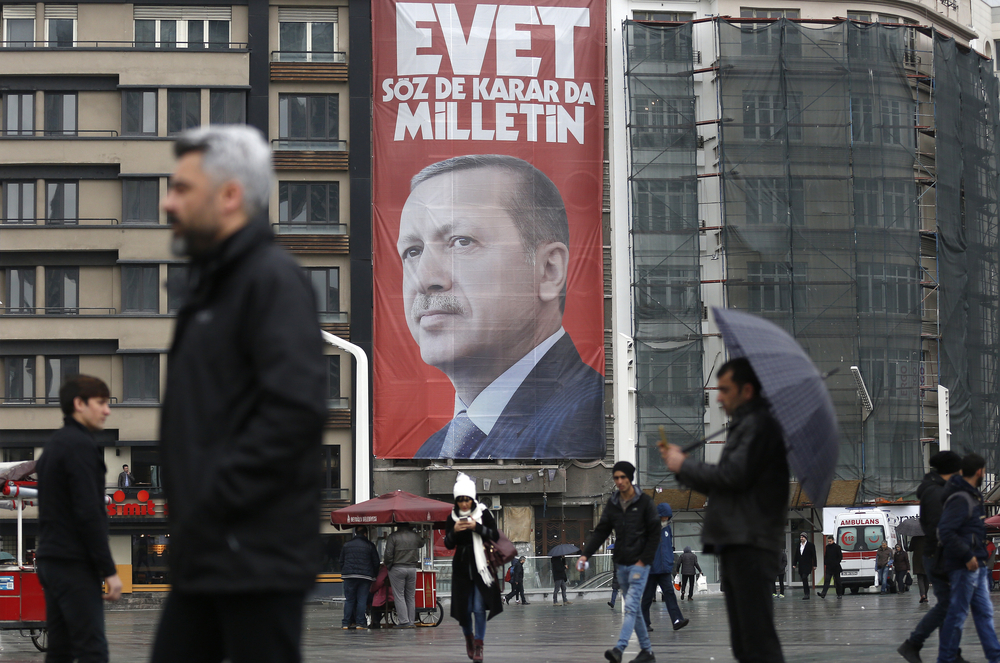
The Turkish president may get his win next month, but when trouble comes, he’ll own it.

The unusual triple alliance coming out of Syria could change the regional balance of power and unhinge NATO — if it holds together at all.
The U.S. foreign policy elite still wants the Middle East for its oil and its strategic location.

ISIS is on the decline, but the catastrophic political divisions in Iraq and Syria that gave rise to it are no closer to being mended.