In the Philippines, the grandson of a despised collaborator has endorsed the remilitarization of his country’s former occupiers — by the grandson of a war criminal, no less.
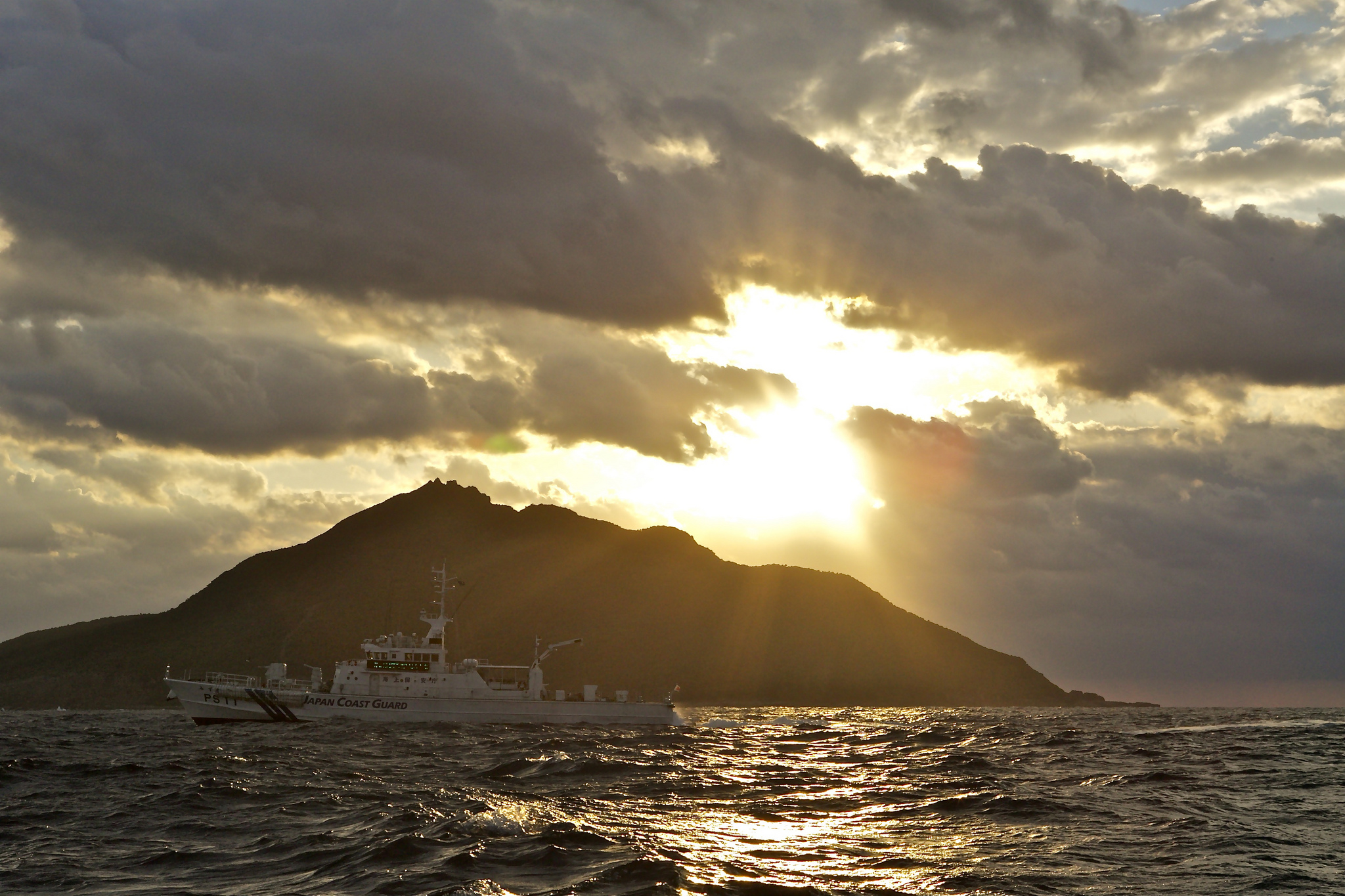
Despite the ongoing islands dispute, Japan and China are growing closer.
The U.S. military sits at the center of a dispute that’s plagued the peaceful island of Okinawa for decades.
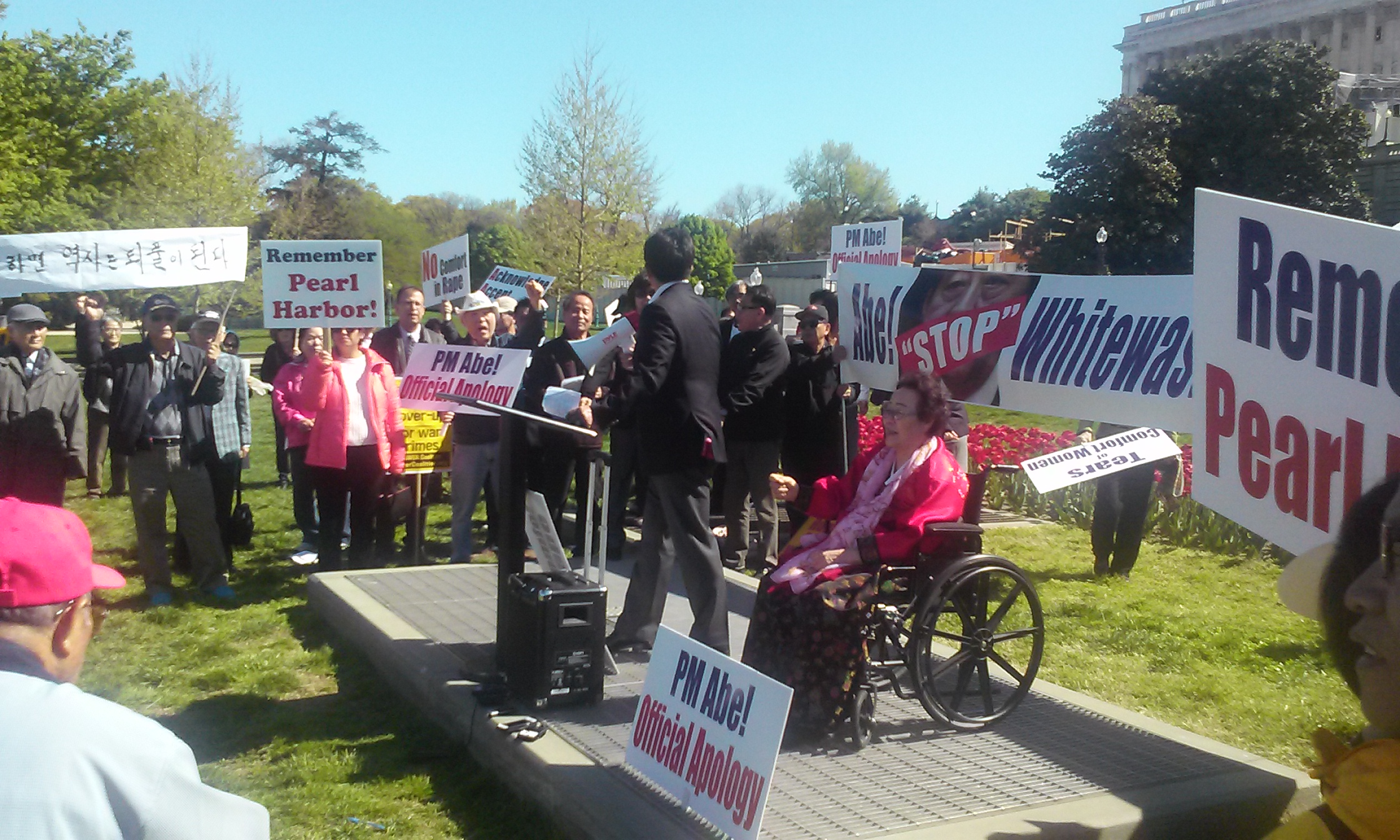
Japan wants a “normal” foreign policy. Its neighbors want apologies for wartime atrocities — and an assurance that Japanese militarism is a thing of the past.
It turns out that that a large-scale conflict in the Asia-Pacific is much more difficult to imagine than China hawks like to pretend.
America’s top ally in East Asia is bulking up its military, picking fights with its neighbors, and showing a blithe disregard for democracy.
Democracy has become more about bureaucratic procedure and less about the people.
Japan’s war hawks and imperial apologists are alienating the country’s allies and making a confrontation with its rivals more likely.
Despite intense crackdowns, activists on the Japanese island of Okinawa continue to resist the construction of new U.S. military bases.
The simmering tensions in East Asia are echoes of Washington’s Cold War intrigues—and the Pentagon’s not-so-secret plans for battle with China.