The WTO is in crisis. The Global South should take advantage and claim the policy space it needs to adapt to a de-globalizing world economy.

The Global South in the WTO: Time to Go on the Offensive
read more

The WTO is in crisis. The Global South should take advantage and claim the policy space it needs to adapt to a de-globalizing world economy.

The late Martin Khor united activists, officials, and thought leaders against trade and climate policies that plundered the Global South. Here’s how his comrades remember him.

Rich countries embraced trade multilateralism when it suited them, and now they’re abandoning it. That may not be such a bad thing.
Twenty years ago, experts refused to see the truth about the dark side of globalization. Then Seattle happened.

Free trade is simply a euphemism for the corporate capture of international trade.
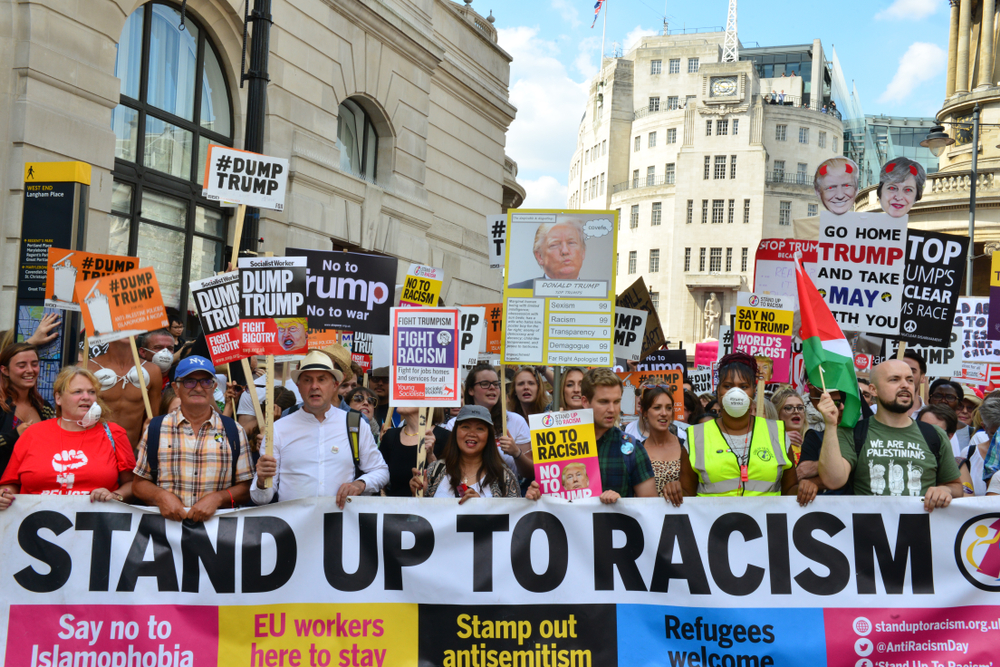
If Trump’s aggressive style and populist impulses have encouraged his political soulmates abroad, they’ve also provoked a backlash in defense of democratic norms.
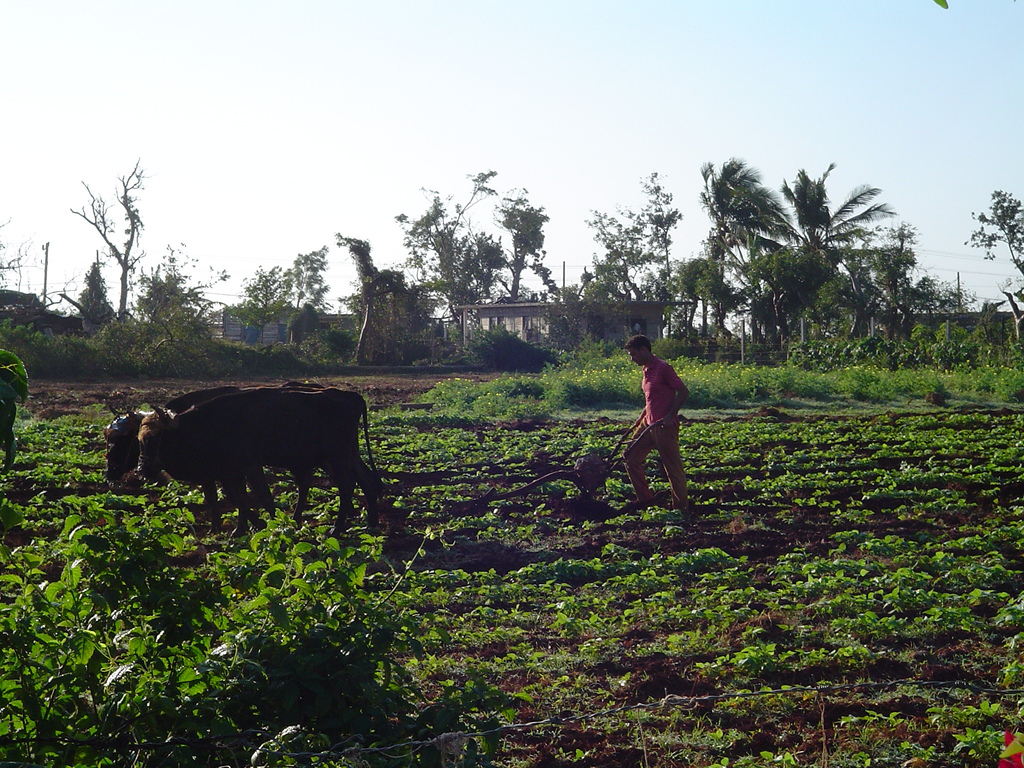
Developed countries are still using the WTO to squeeze small farmers in the developing world–and developing world governments are going along with the charade.
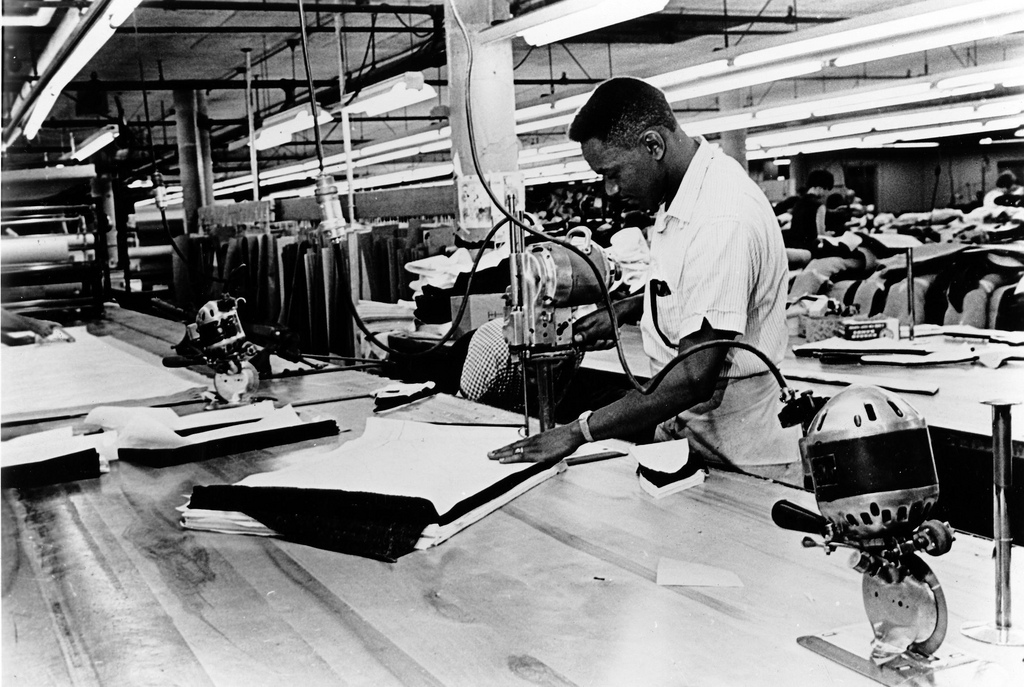
Twenty years since its passage, NAFTA has displaced workers on both sides of the U.S.-Mexico border, depressed wages, weakened unions, and set the terms of the neoliberal global economy.
Just as many books have been written as there are individual viewpoints on the crises related to globalization. Mark Engler’s new title How to Rule the World: the Coming Battle Over the Global Economy has some unique offerings. It offers insight about the different currents at play in globalization, along with some new analysis about the rise of a distinct globalization that promotes social and economic democracy. This new movement is people-powered, and its future is promising.