Veterans often wrestle with the things they’ve done in war. When will ordinary Americans do the same?

War and Moral Injury
read more

Veterans often wrestle with the things they’ve done in war. When will ordinary Americans do the same?
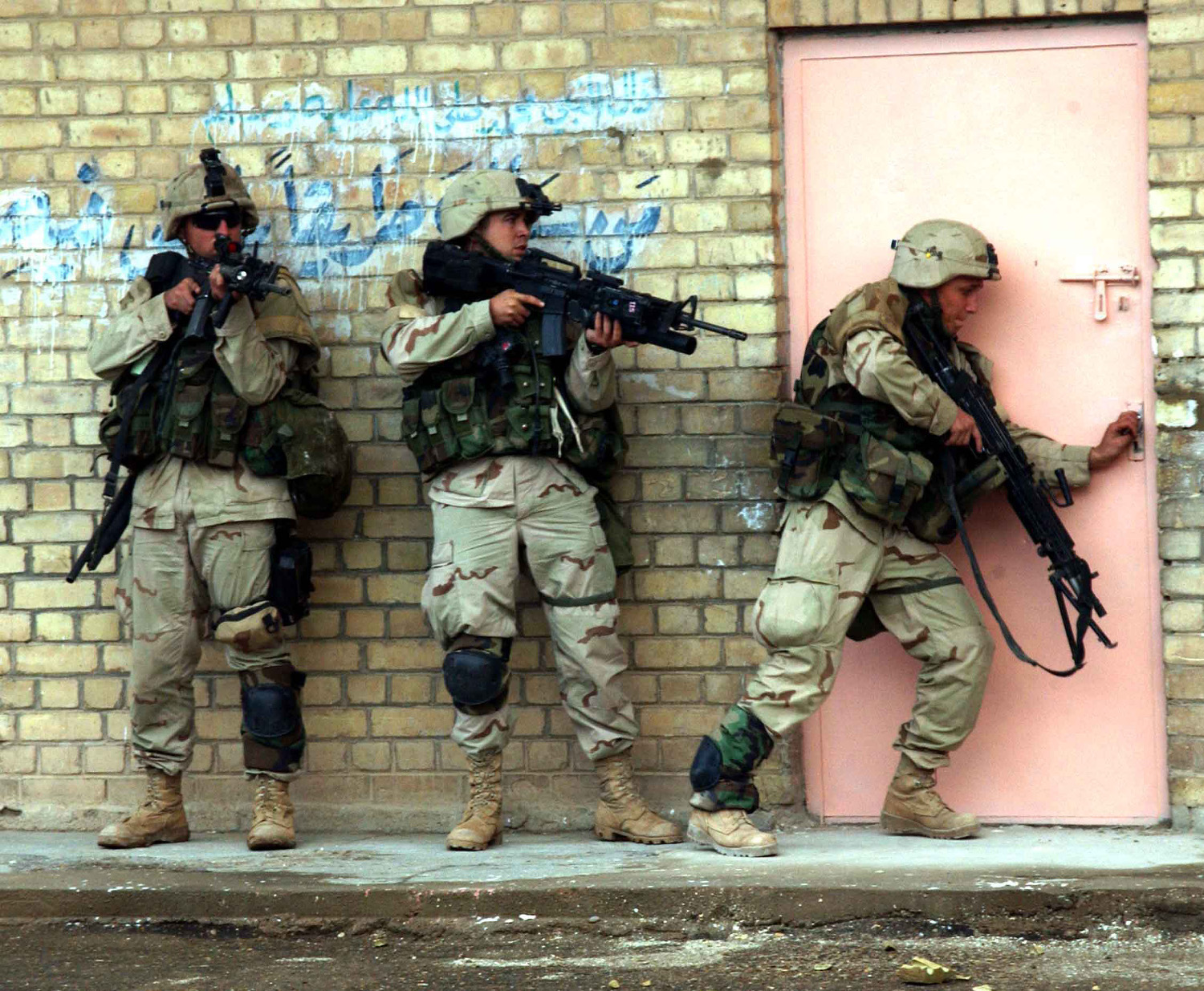
The collateral damage of the Iraq War continues — for Iraqis and Americans alike.
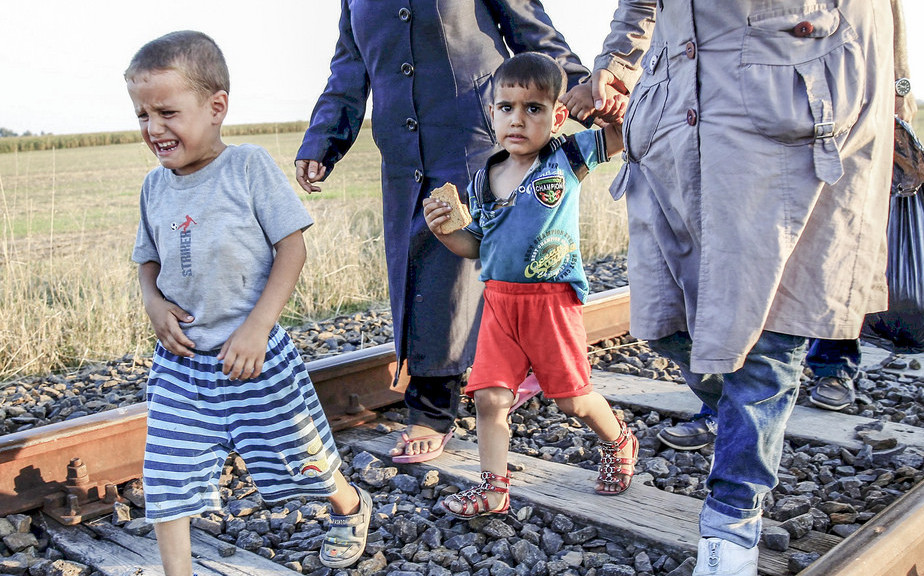
PTSD is rampant in the Middle East. If untreated, it will continue to fuel conflict.
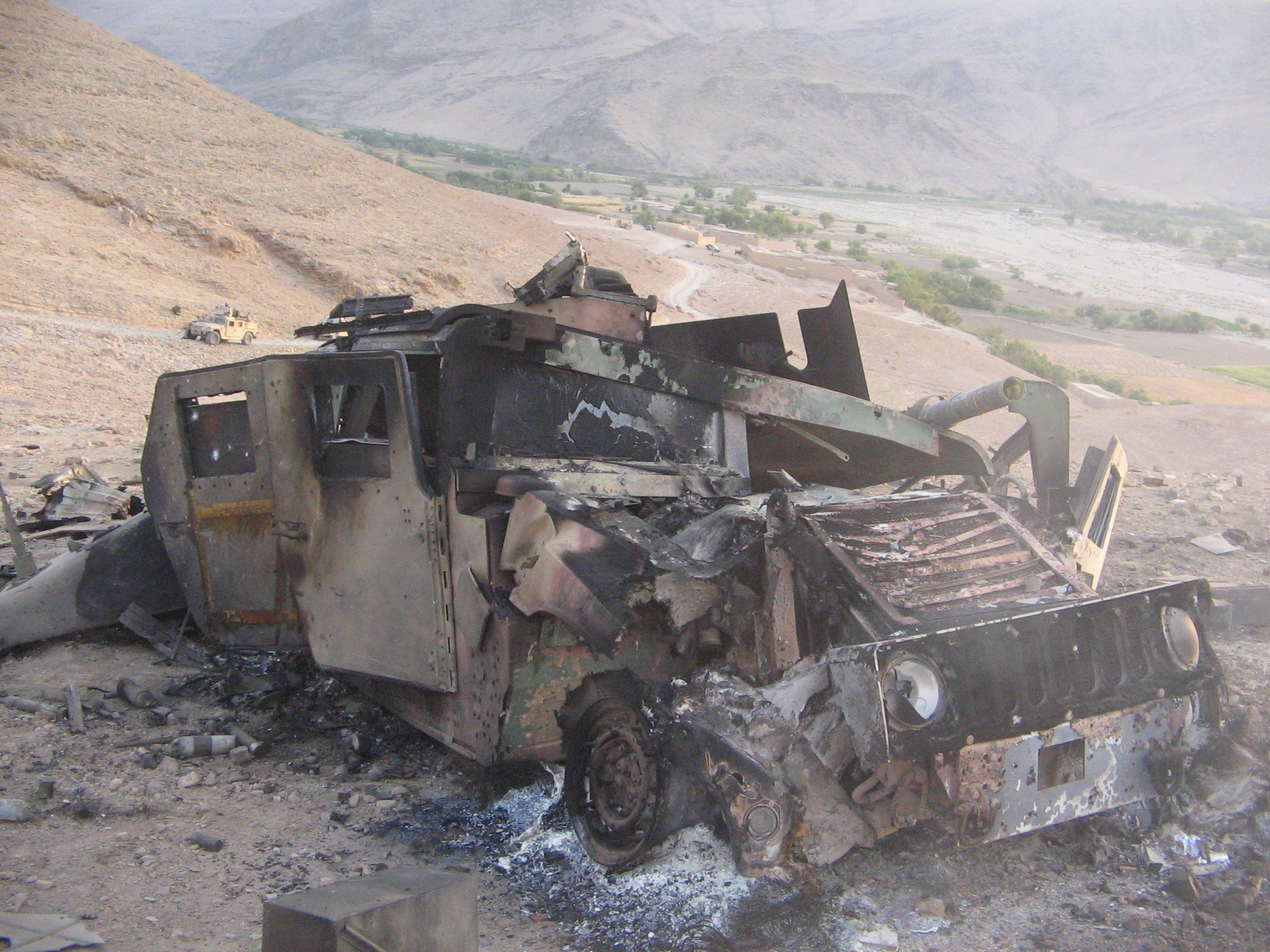
Turns out soldiers are subject to yet another, separate form of brain trauma from blast effects.

Delay and denial are standard operating procedures when it comes to how the government cares for vets. Here’s why.
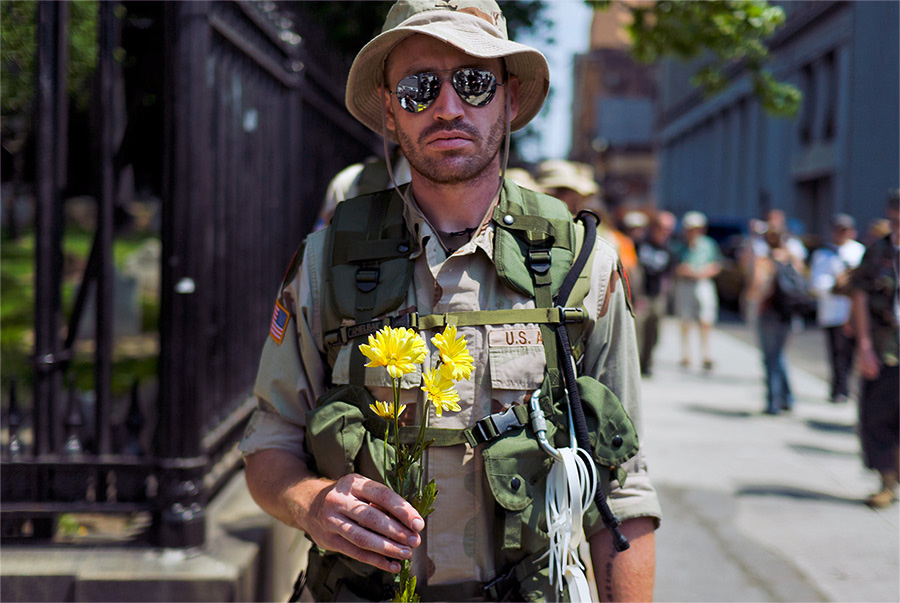
Veterans of the Iraq and Afghanistan wars are holding the U.S. government accountable for innocent victims on all sides of the fighting.

PTSD and moral injury are the first steps to healing from war.
Veterans struggle to come to terms with the possible immorality of their actions in war.
A fighter pilot would never cut the throat of an innocent woman or child. However, the same pilot drops bombs into enemy territory to kill enemy personnel, knowing he may also kill innocent civilians. The luxury of a large distance between the bullet or a bomb used to kill suspected enemies in Iraq is a luxury many of our soldiers do not have.
ÂWar is hell, Union General William Tecumseh Sherman famously said 14 years after the end of the bloodiest conflict in U.S. history. ÂIt is only those who have neither fired a shot nor heard the shrieks and groans of the wounded who cry aloud for blood, more vengeance, more desolation.Â