The Obama administration’s nebulous “Pacific Pivot” is setting the stage for a superpower conflict in East Asia.
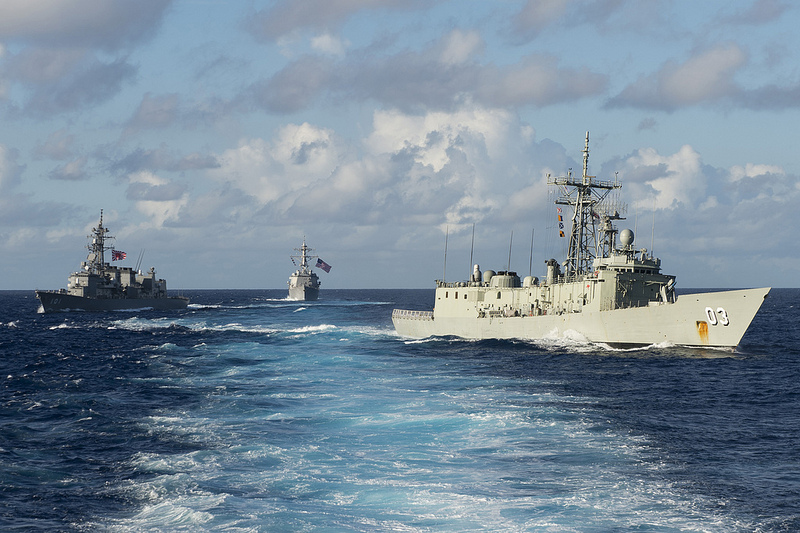
Asia: The Elephant vs. the Shark
read more

The Obama administration’s nebulous “Pacific Pivot” is setting the stage for a superpower conflict in East Asia.

There are still significant challenges to reaching a permanent deal on Iran’s nuclear enrichment program, but there’s plenty of room to compromise.

U.S. foreign policy is anything but demilitarized. But where the Bush team saw every problem as a nail, the Obama team wields more than just a hammer.

The Philippines and Vietnam are natural allies in their common territorial struggles against China. But they should leave Washington out of it.

For North Korea to rise higher on the list of U.S. priorities, Washington policymakers will have to stop considering it in isolation.

Given the limits of its power and its own compromised relationship with international law, the U.S. isn’t in a position to do much about Ukraine.

If costly drug war strategies in Afghanistan have been unsuccessful even with a strong U.S. military presence, they won’t stand a chance after the U.S. withdraws.

The more party members Stalin killed, the more he thought he had to kill.
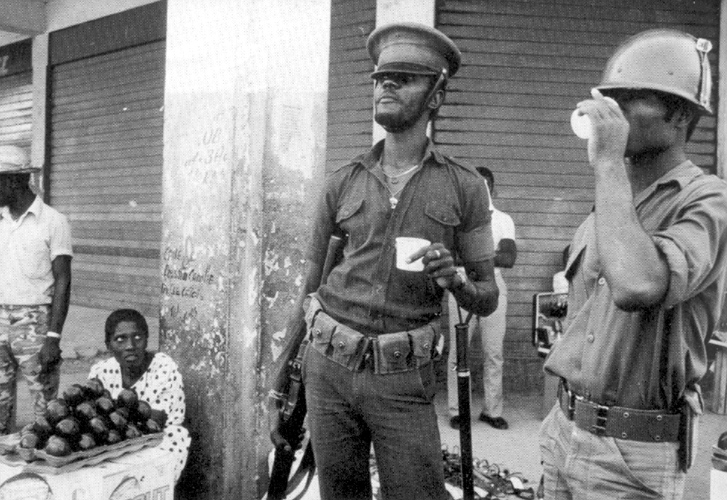
The president of Haiti—a country with no external threats, a history of military repression, and an abundance of more pressing problems—is rebuilding the once-banished Haitian military.
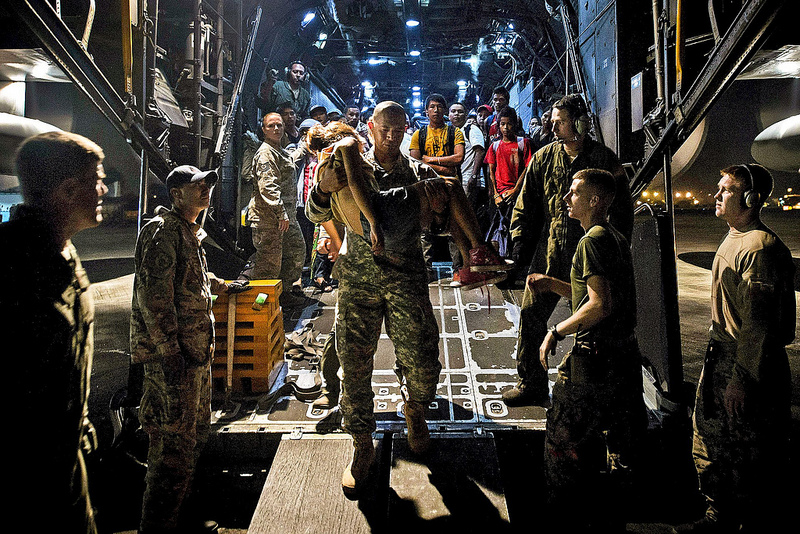
Disaster relief has increasingly become part of the justification for increased U.S. troop deployments in the Asia-Pacific region.