Despite the lip service given to democracy the world over, coups remain a popular last resort. Here’s why.

Coup Fever
read more

Despite the lip service given to democracy the world over, coups remain a popular last resort. Here’s why.

Indian Prime Minister Narendra Modi is a well-known Hindu nationalist. But on foreign policy, he seems more likely to show his pragmatic side.

Outnumbered by the country’s rural voters, Thailand’s once vibrantly democratic urban middle class has embraced an elitist, antidemocratic agenda.

China’s increased military spending might not preclude its “peaceful rise,” but Beijing isn’t inspiring any confidence among its neighbors.

For some Korean American activists, the Sewol ferry disaster is a reminder that South Korean capitalism is a product of the country’s authoritarian past—a past in which the U.S. played no small part.

How a former child laborer became a union organizer for Bangladesh’s garment workers.

Searching for growth opportunities in a world still beset by financial crisis, multinational corporations and globalists are hyping all kinds of “emerging markets.”

The South Korean government is now bearing the brunt of the public’s wrath over the Sewol ferry tragedy.
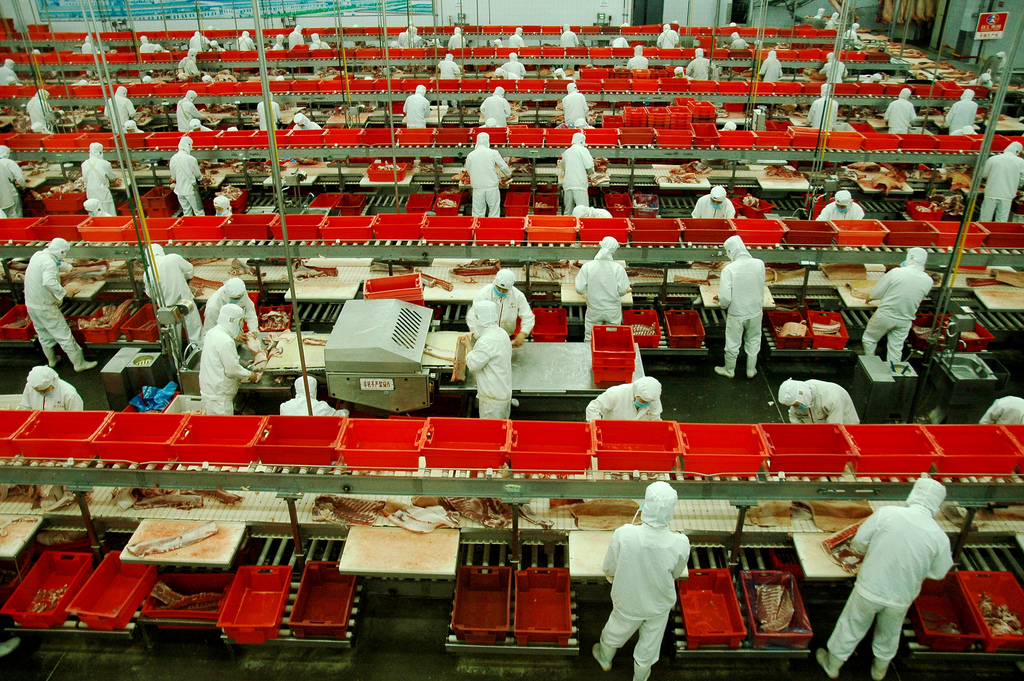
Apple and other big manufacturers must swap less-deadly chemicals for the cancerous ones poisoning their Chinese workers.

Hyping threats from Russia, China, and the rest of the world, the U.S. War Party is gearing up to reassert American power.