If Obama thought his short pass through Pacific would boost the much-vaunted U.S. “pivot” to Asia, he soon discovered that the world is not cooperating with his best-laid plans.

Obama’s Half-Pivot to Asia
read more

If Obama thought his short pass through Pacific would boost the much-vaunted U.S. “pivot” to Asia, he soon discovered that the world is not cooperating with his best-laid plans.

By linking itself to Washington in its territorial disputes with China, the Philippines risks getting caught up in a superpower conflict.

Driven by a rising China and arms exports from the United States, military spending in Asia is on the increase.

In the wake of the Kunming attack, experts expect the Chinese government to crack down hard on Uighurs and anyone sympathetic to them.

An interview with Wang Ping, a poet and activist working to build a sense of kinship between the peoples of the Yangtze and Mississippi River valleys.
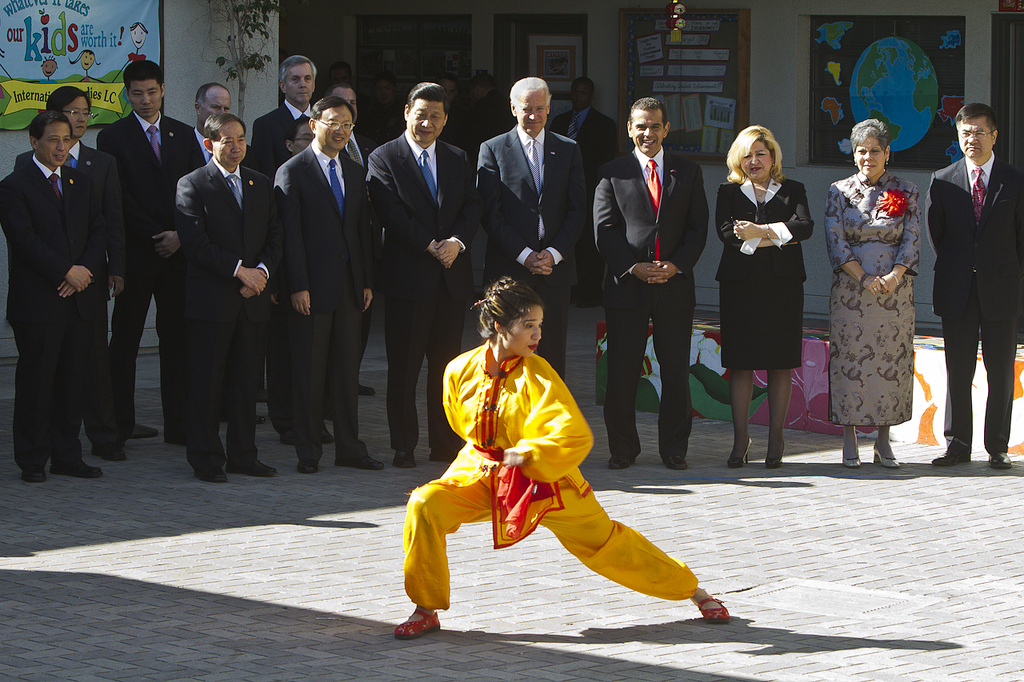
Washington’s past and present foreign policies are sustaining the fraught security environment in East Asia.
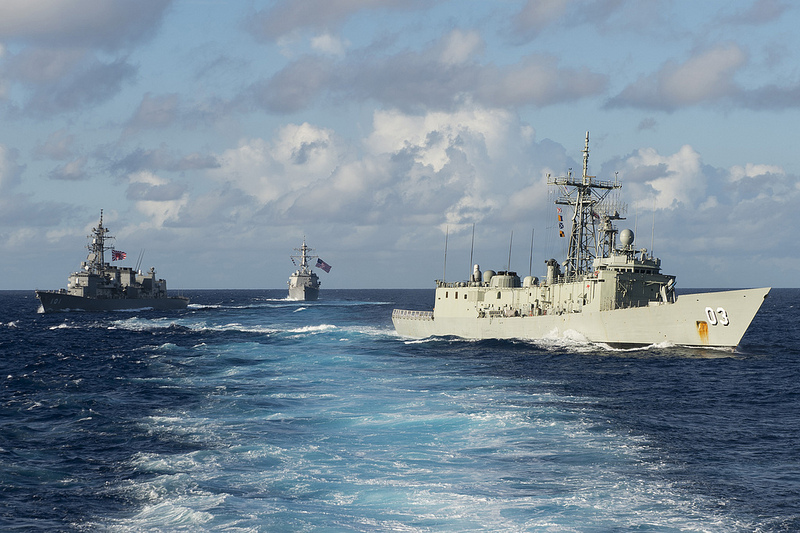
The Obama administration’s nebulous “Pacific Pivot” is setting the stage for a superpower conflict in East Asia.

The Philippines and Vietnam are natural allies in their common territorial struggles against China. But they should leave Washington out of it.
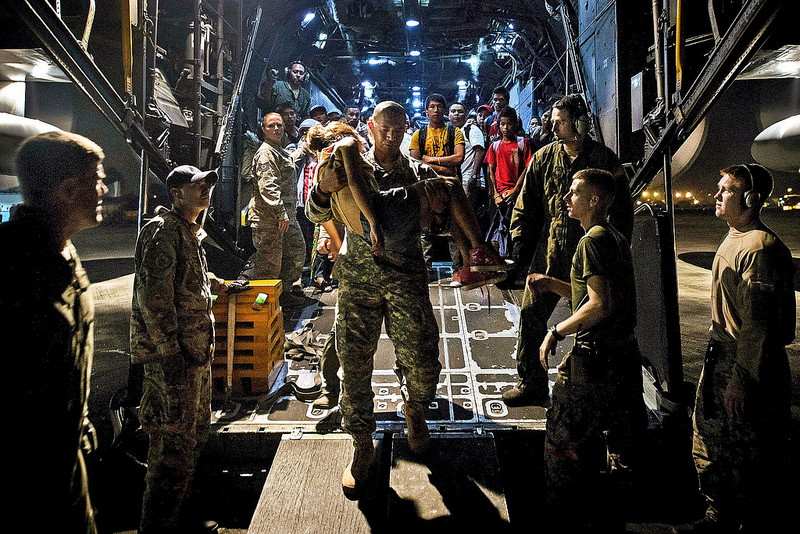
Disaster relief has increasingly become part of the justification for increased U.S. troop deployments in the Asia-Pacific region.

Samuel Huntington wrote: “In the emerging world of ethnic conflict and civilizational clash, Western belief in the universality of the Western culture suffers three problems: it is false; it is immoral; and it is dangerous.”