Japan

Sushi Reverses Course: Consuming American Sushi in Tokyo

The nascent American sushi trend brings into relief aspects of Japan-US relations that are seldom articulated in the context of discourse about food – in particular the continued symbolic dominance of the US in Japanese eyes; and it also is emblematic of how Japan engages aspects of globalisation, in this case fetishising a mundane product that has become something new in its reimported form.

read more
Postcard from…Koza

Postcard from…Koza

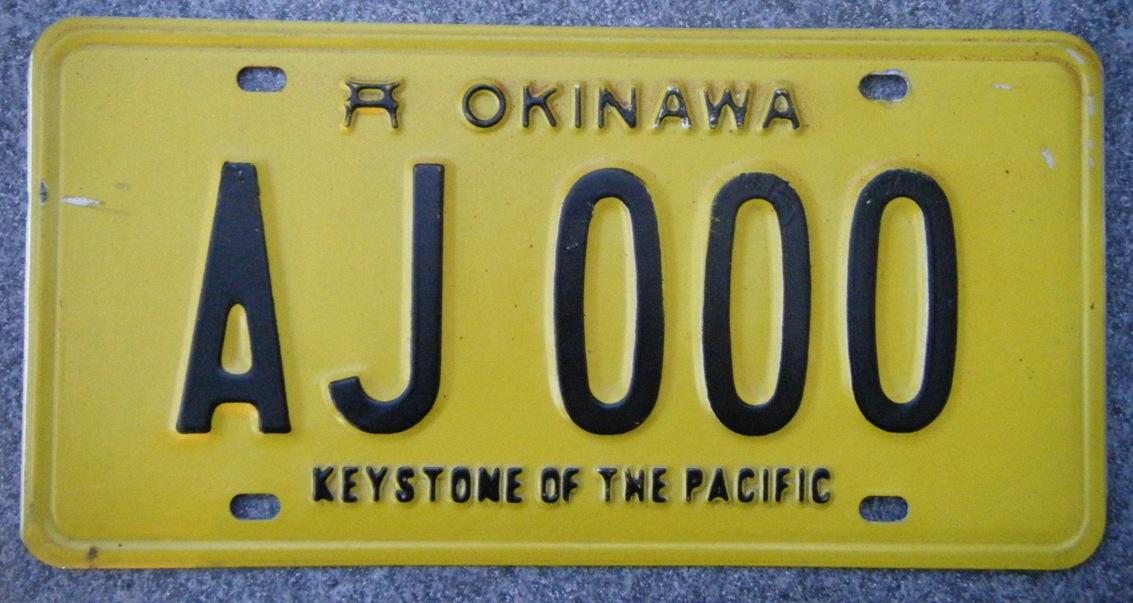
Watts. Cleveland. Newark. Detroit. In the 1960s and early 1970s, the inner cities of the United States burst into angry flames. One riot that is all-too-often forgotten from this list is the uprising that occurred in the Okinawan town of Koza when the island was still occupied and administered by the United States.

read more
Review: Cultures of War

Review: Cultures of War

The last 70 years of modern warfare have been filled with atrocities, from the first bomb that exploded the tranquility of Pearl Harbor on the morning of December 7, 1941 to the advent of large-scale saturation bombing of civilian centers culminating in the atomic bombings of Hiroshima and Nagasaki, from the terror attacks of 9/11 to the ill-advised invasion of Iraq and subsequent quagmire. In his ambitious and comprehensive comparative study Cultures of War, historian John Dower exposes many striking similarities between the thoughts, actions, and attitudes of Imperial Japan, the United States, and radical Islamists.

read more
Pivotal Election in Okinawa

Pivotal Election in Okinawa

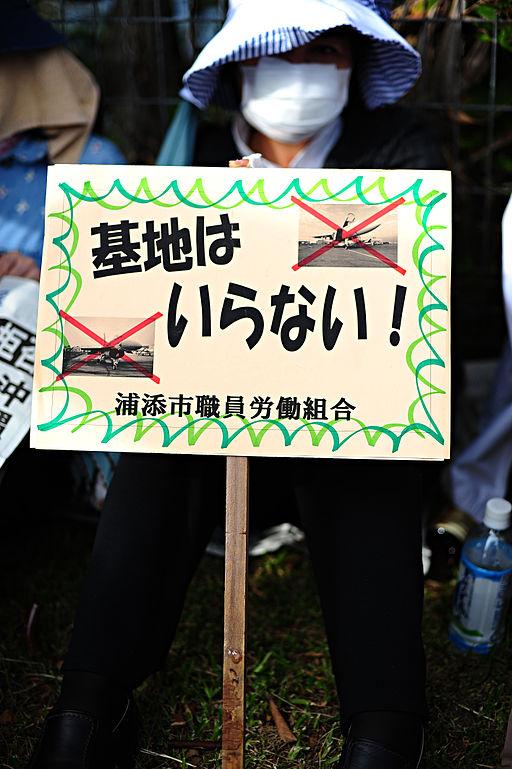
The debate over the controversial plan to relocate a U.S. Marine air base from Futenma to Henoko is set to heat up again.  Last June, then-Prime Minister Yukio Hatoyama resigned after failing to keep his campaign promise to move the air base off of Okinawa and acquiescing to U.S. pressure to hold to the original 2006 force realignment agreement.  His successor, Naoto Kan quickly reiterated his administration’s willingness to adhere to the agreement, and both Washington and Tokyo sought to move on from what had grown into an ugly conflict between the two allies.

read more

The Battle of Okinawa 2010: Japan-U.S. Relations at a Crossroad

Five decades after the adoption of the (revised) US-Japan Security Treaty, and two decades after the end of the Cold War, Cold War assumptions still underpin the relationship between the world’s leading industrial democracies. A belated Japanese attempt to change and reform the relationship in 2009-2010 ended in failure and the collapse of the Hatoyama government. Whether the Kan government can do better, remains to be seen. The “Client state” relationship proves difficult to transcend. The “Okinawa problem” has emerged as a crucial bone of contention, not only between the US and Japanese governments but between the people of Okinawa and both governments.

read more

Resolving the China-Japan Conflict Over the Senkaku/Diaoyu Islands

On September 7 Japanese patrol boats intercepted a Chinese fishing trawler near Kubashima, one of the Senkaku [Chinese: Diaoyu] Islands in the East China Sea. After it repeatedly rammed the patrol boats in attempting to escape, the fishing boat was detained and its captain arrested and charged with interference in the execution of official duties. The incident would come to have enormous repercussions, shaking up Sino-Japanese relations.

read more