The world’s two biggest polluters shouldn’t be setting the terms for global climate talks.

Why the U.S.-China Climate Deal Is Bad News for Climate Activists
read more

The world’s two biggest polluters shouldn’t be setting the terms for global climate talks.

As climate activists converge on New York, world leaders will meet behind closed doors with corporate honchos who bank on fossil fuels.

Clean energy technologies are making headway throughout the Caribbean—and the U.S. should take note.

Like the United States, Brazil has a long way to go with its response to global warming.

Like Big Tobacco, Big Energy targets the developing world for future profits.

The latest UN report on addressing climate change reflects a strong Western bias, but it’s the most comprehensive tool we’ve got.
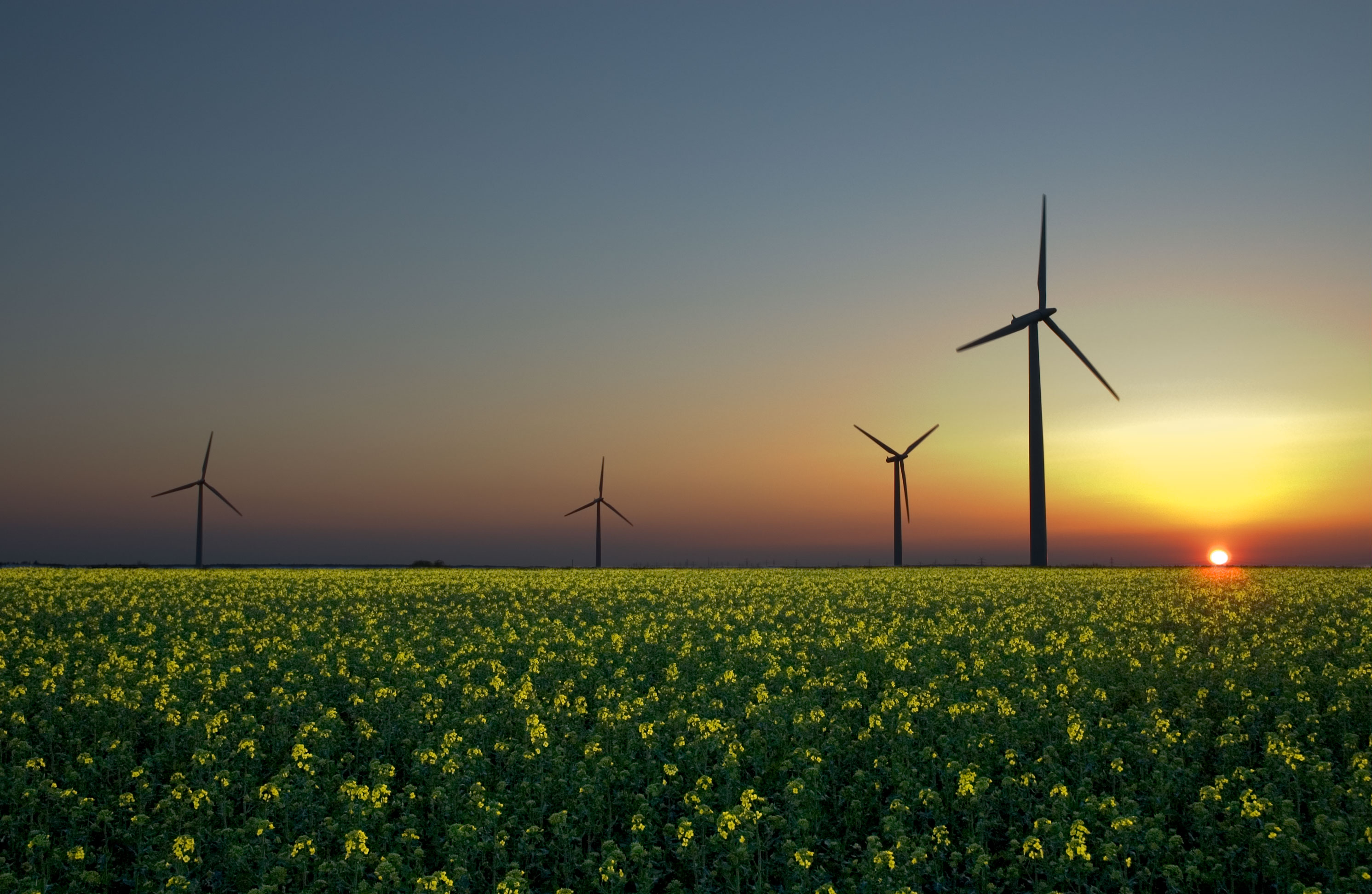
The real “pivot to Asia” should be towards decarbonization, a more equitable distribution of wealth, and a commitment to fight climate change.

Will the Green Climate Fund—the UN body tasked with funding the transition to a clean-energy, climate-resilient future in the developing world—invest in fossil fuels?
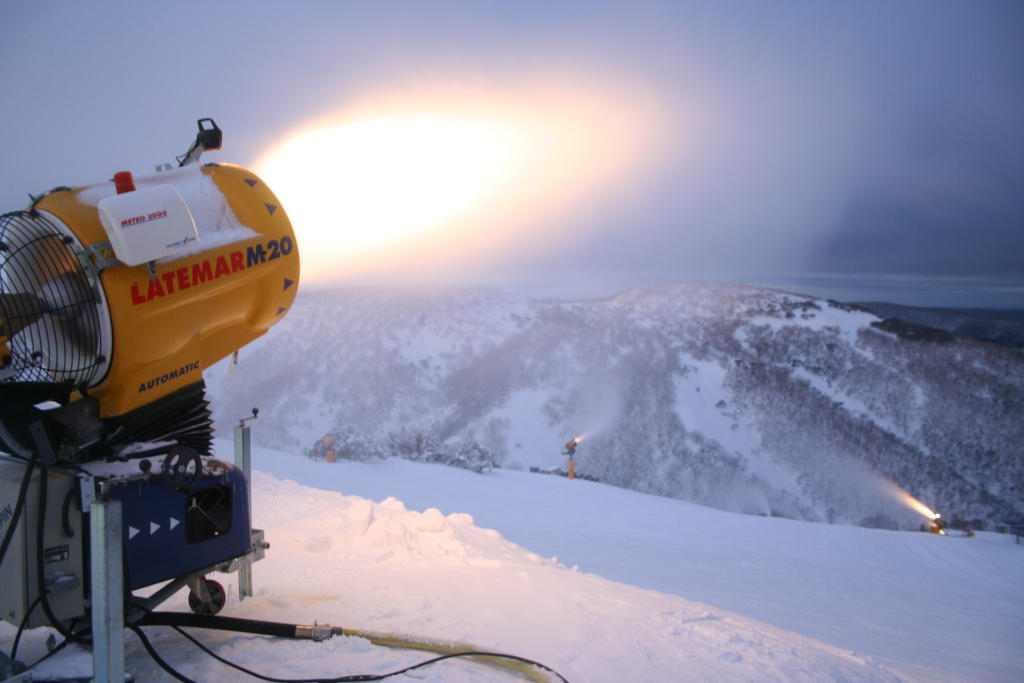
Climate change is literally melting down the list of available host venues for the Winter Olympics.

If the only thing that Doha can do is to expose the futility of the old strategies and the urgent necessity of exploring of new negotiating positions that can lead to a breakthrough before it is too late, then this diplomatic charade masquerading as a serious climate negotiation will have fulfilled its function.