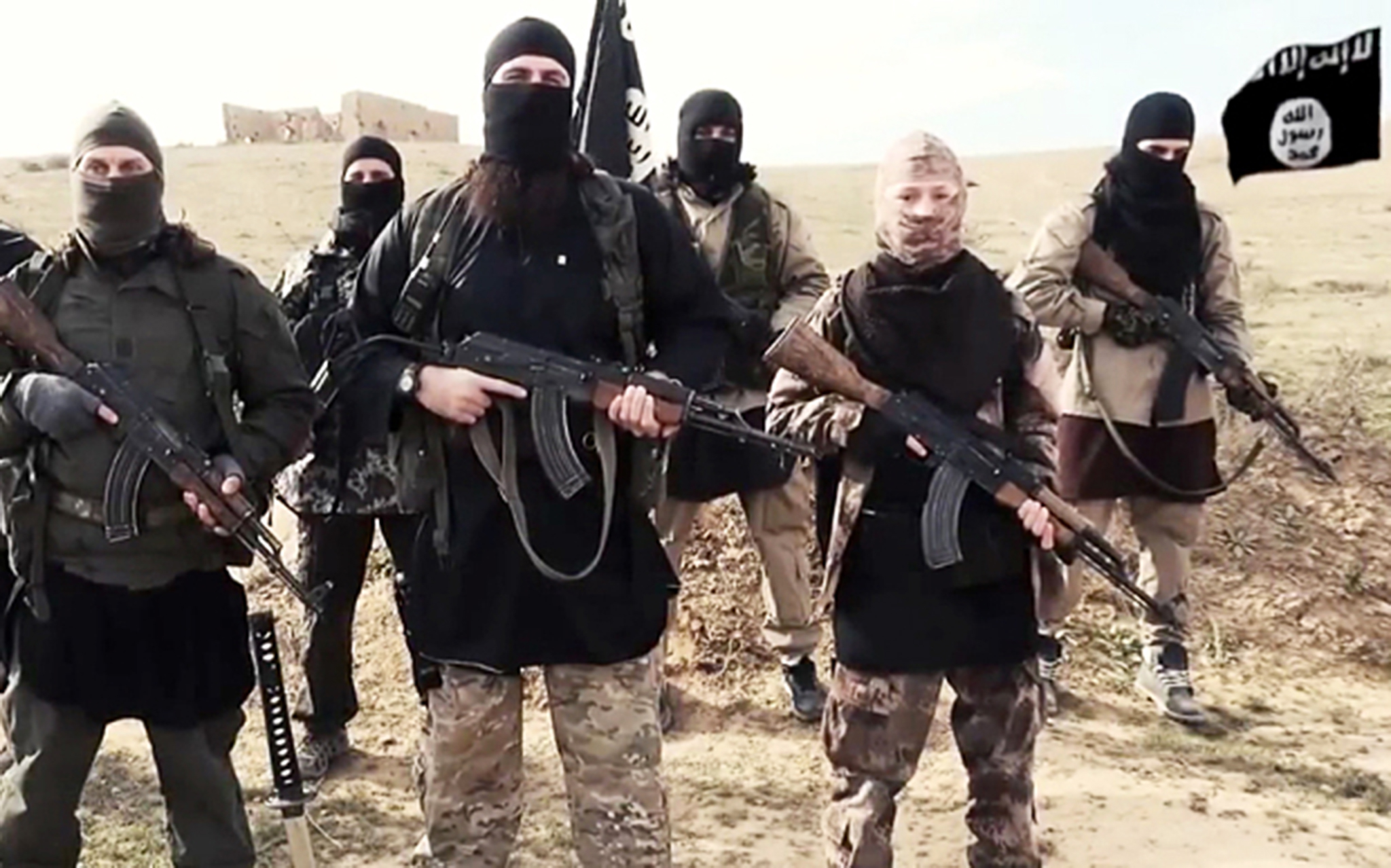
In ending the war in Afghanistan, Biden left the door open for more “counterterrorism” — with serious implications for our foreign policy, politics, and legal system.
The House passed a bill that sounds good, but doesn’t end Washington’s failed, militarized approach or get to root problems.
Escalating U.S. interventions have led to more extremist violence on the continent, not less.
Withdrawing several thousand U.S. troops from Afghanistan is just the tip of the iceberg.
Organizing, connection, and solidarity are a way out of isolation — especially when we know there’s no going back to “normal.”
There will be no peace if underlying grievances aren’t addressed, militaries victimize local populations, and states fail to provide basic services.
Despite al-Baghdadi’s death, Trump is creating the conditions groups like ISIS thrive in.
There’s a strong argument to shift law enforcement resources from Muslim organizations to domestic white terrorists — but expanding the war on terror is a riskier proposition.
Whether authorities classify an act as “terrorist” depends almost entirely on who carries it out, not what they did.
The group’s caliphate may be crumbled, but the political conditions that gave rise to it haven’t improved at all.