United Nations
Libya: Where Are the BRICs?

Libya: Where Are the BRICs?

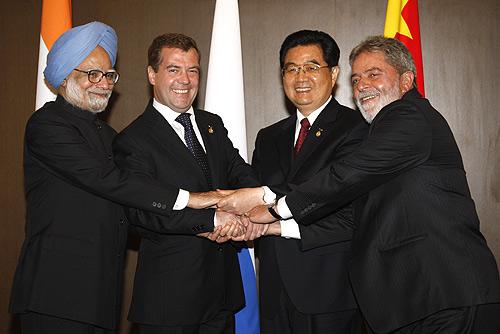
Following the vote at the UN Security Council, the United Kingdom, France, and the United States have embarked on military action against Gaddafi’s forces in Libya. They have been careful to include a few Arab states in this new coalition of the willing. But these three countries are the driving force behind the imposition of a no-fly zone and the attacks on the government’s military positions and forces. Yet among the permanent and non-permanent member of the Council who were asked to authorize “all necessary measures” to protect civilians rebelling against the regime, the BRIC powers of Brazil, Russia, India, and China were conspicuously absent. 
read more
Obama Surrenders on Settlements

Obama Surrenders on Settlements

The recent U.S. veto of a UN Security Council resolution denouncing Israel’s settlement policy is a tragicomic way for the Obama administration to abandon its claim to global leadership. But that is what Ambassador Susan Rice’s “nay” vote on February 18 signifies. The battle for a rational foreign policy in Washington has been over for some time. This veto represents surrender.

read more
The Turko-Persian Tandem

The Turko-Persian Tandem

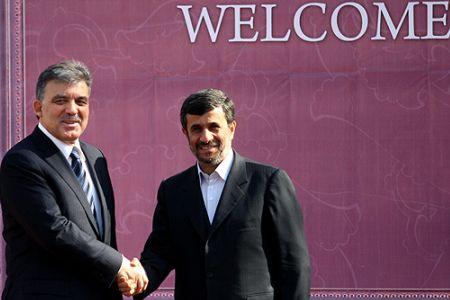
Home to the region’s biggest economies, largest middle classes, and most educated populations, Iran and Turkey represent vibrant societies with huge reservoir of both soft and hard power. Growing cooperation between the two may signal the opening of a new chapter in the Middle Eastern affairs.

read more
UN Again in the Crosshairs

UN Again in the Crosshairs

The UN’s mythical black helicopters are back. The triumphant, reality-challenged new Republican majority in the House of Representatives imagine that they are flying in formation up the Potomac in a bid to take over the United States.

read more

Has the UN Failed Cote d’Ivoire?

Polarised and violent political crises that recur in nation states signal that the political formulae adopted to resolve the crises have not worked. Such is the stark reality in Côte d’Ivoire. The United Nations’s (UN) strategy to oversee elections and install a winner-takes-all Western-style ‘democratically elected’ state president has failed.

read more

60-Second Expert: Afghanistan

Despite the Obama administration’s repeated assurances to the contrary, the war in Afghanistan has taken a turn for the worse since the troop surge. Public opinion in the United States, NATO countries, and Afghanistan itself increasingly oppose the war. Corruption remains rampant, President Karzai’s influence barely extends beyond Kabul, and the military’s “counterinsurgency” strategy has translated into stepping up aerial bombings and night raids. At $8 billion a month, the war is bankrupting the United States with very few results to show for it.

read more
Make 1325 Real for Women’s Peace and Security

Make 1325 Real for Women’s Peace and Security

October 31 marked the tenth anniversary of the momentous UN resolution on women, peace and security—UNSCR 1325. This set a new international standard that requires all parties—the UN, states, and armed militias—to ensure that women participate fully in peace negotiations and post-conflict reconstruction. If this really worked, it would transform our militarized world.

read more
Canada on Ice: at the UN

Canada on Ice: at the UN

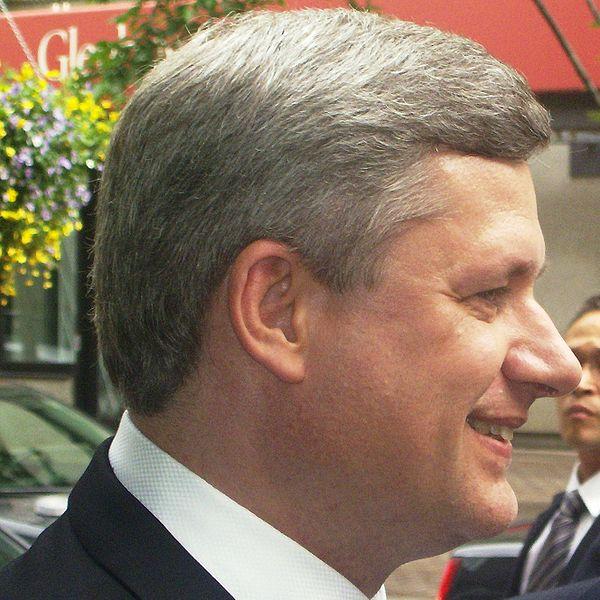
Canada’s defeat in elections for a temporary seat in the UN Security Council has implications that reach beyond being an upset for Stephen Harper’s conservative government in Ottawa. It reinforces how far most UN members are from supporting other nations that unconditionally accept Israeli behavior in the Middle East. It also, ironically, lends some support to Ottawa’s longstanding opposition to increasing the number of permanent Security Council members.

read more