Many Russians and Americans would rather see their governments helping other countries than hurting them. That means facing some hard truths.

Russia and America: Confronting Empire
read more

Many Russians and Americans would rather see their governments helping other countries than hurting them. That means facing some hard truths.
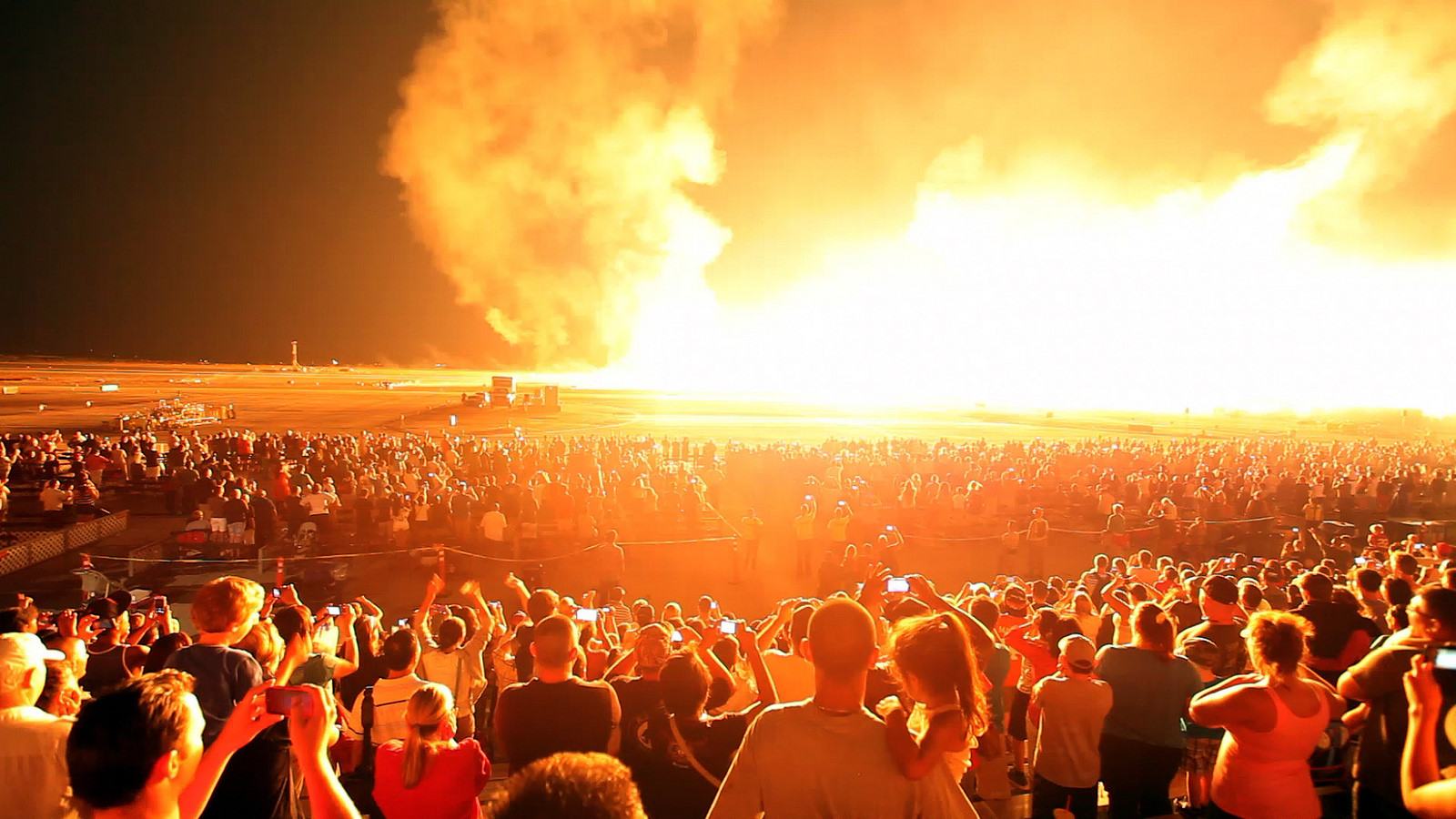
Our wartime commemorations are the functional equivalent of mounting the heads of our victims on pikes. Are we surprised that others celebrate bloodshed when we do the same?

Aggression by a state, once considered just an act of war, ultimately became viewed as a pathological act.

As Germany squeezes Greece, it’s in denial about the skimpy reparations it paid Greece for World War II.

As the climate warms and the ice melts, the Arctic could become the next great theater of global cooperation—or a battlefield.

Despite intense crackdowns, activists on the Japanese island of Okinawa continue to resist the construction of new U.S. military bases.
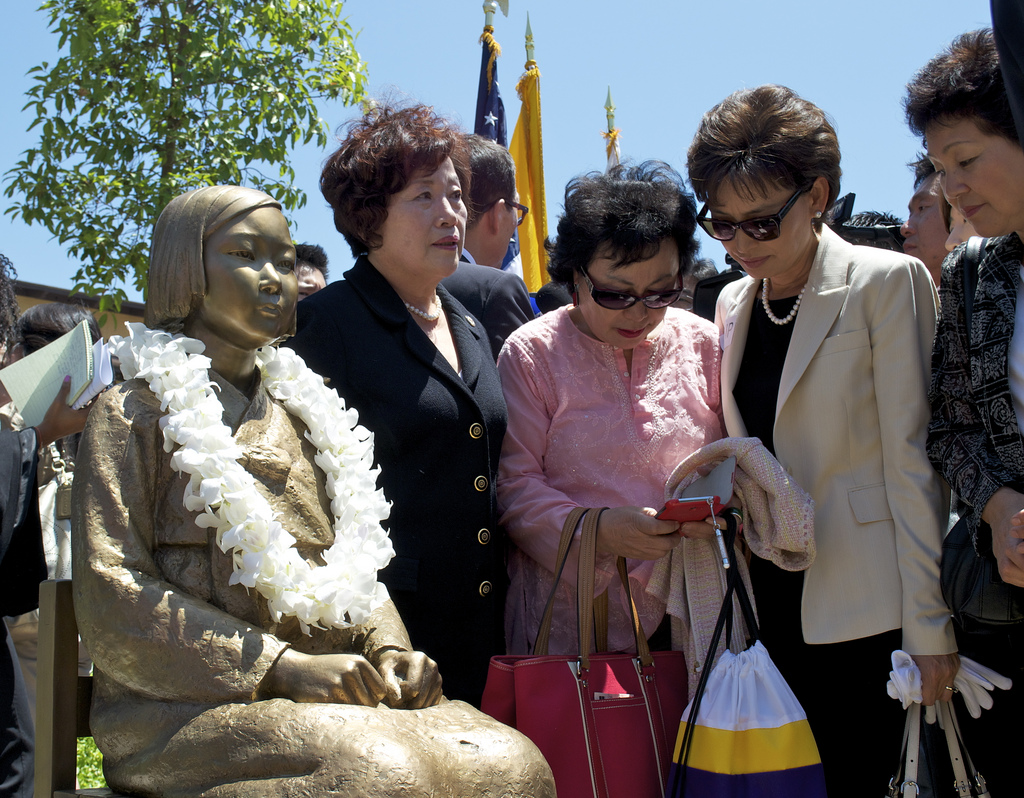
A growing global movement is ensuring that if the Japanese government won’t hold itself to account for its crimes against women, then history will.

When a government refuses to apologize for war crimes, it means it would be willing to commit them again.
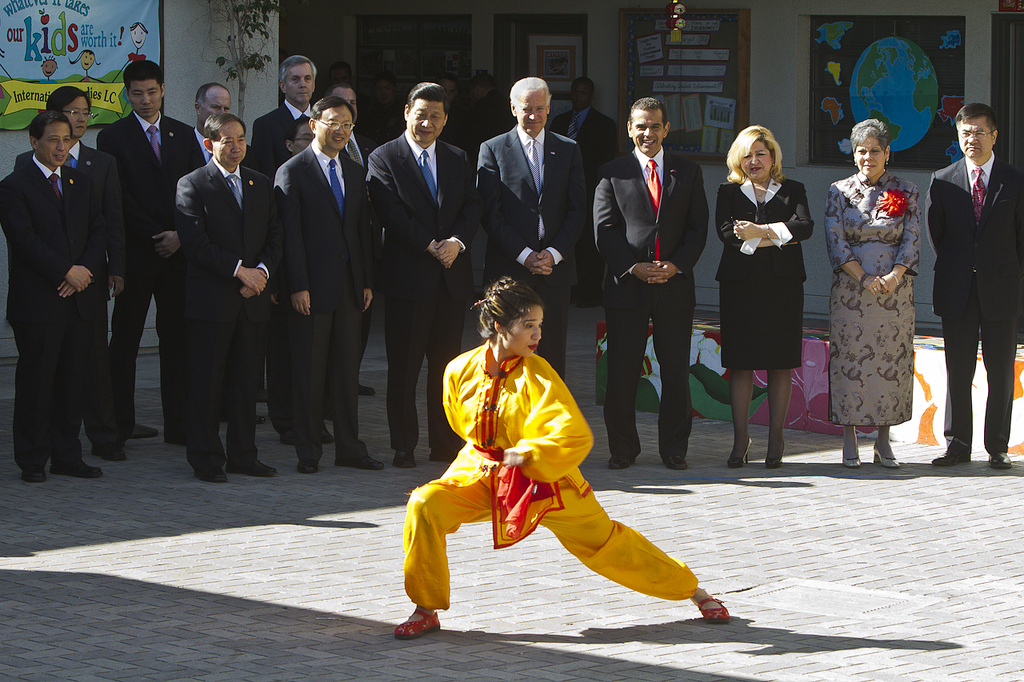
Washington’s past and present foreign policies are sustaining the fraught security environment in East Asia.

An interview with Russ Bellant, author of “Old Nazis, the New Right, and the Republican Party.”