Those opposed to the Iran deal worry that the subsequent easing of economic sanctions will enable Iran to increase its support for Hezbollah and Hamas.

Opposition to Iran Deal Fueled by Hatred of Hezbollah and Hamas
read more

Those opposed to the Iran deal worry that the subsequent easing of economic sanctions will enable Iran to increase its support for Hezbollah and Hamas.

The world’s two major powers lost a decade that could have been spent hashing out responses to climate change, the arms trade, and the global recession.

As Yemen rapidly disintegrates, the U.S. is turning a blind eye to atrocities committed by its Saudi allies — even as Washington enables them.

We’ll never rebuild this country if we keep wasting money on war.

The Islamic State remains a puzzle to U.S. policymakers and analysts.

Turkey’s offering Washington a fig leaf of cooperation against the Islamic State, but it’s turning all its firepower against the most effective anti-ISIS fighters in the region — the Kurds.

The dangers of life as a Muslim leader in the United States weren’t all that drove Anwar al-Awlaki the flee the country.

For the refugees pouring into Europe, their journeys can be just as deadly as the war zones they’re fleeing.
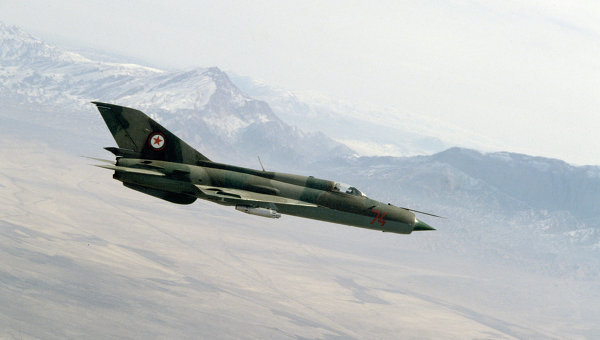
Last year it was reported that the Islamic State captured Syrian fighter planes.

Intelligence is still being fixed around policy, but this time about the Islamic State, not Iraq.