Japan wants a “normal” foreign policy. Its neighbors want apologies for wartime atrocities — and an assurance that Japanese militarism is a thing of the past.
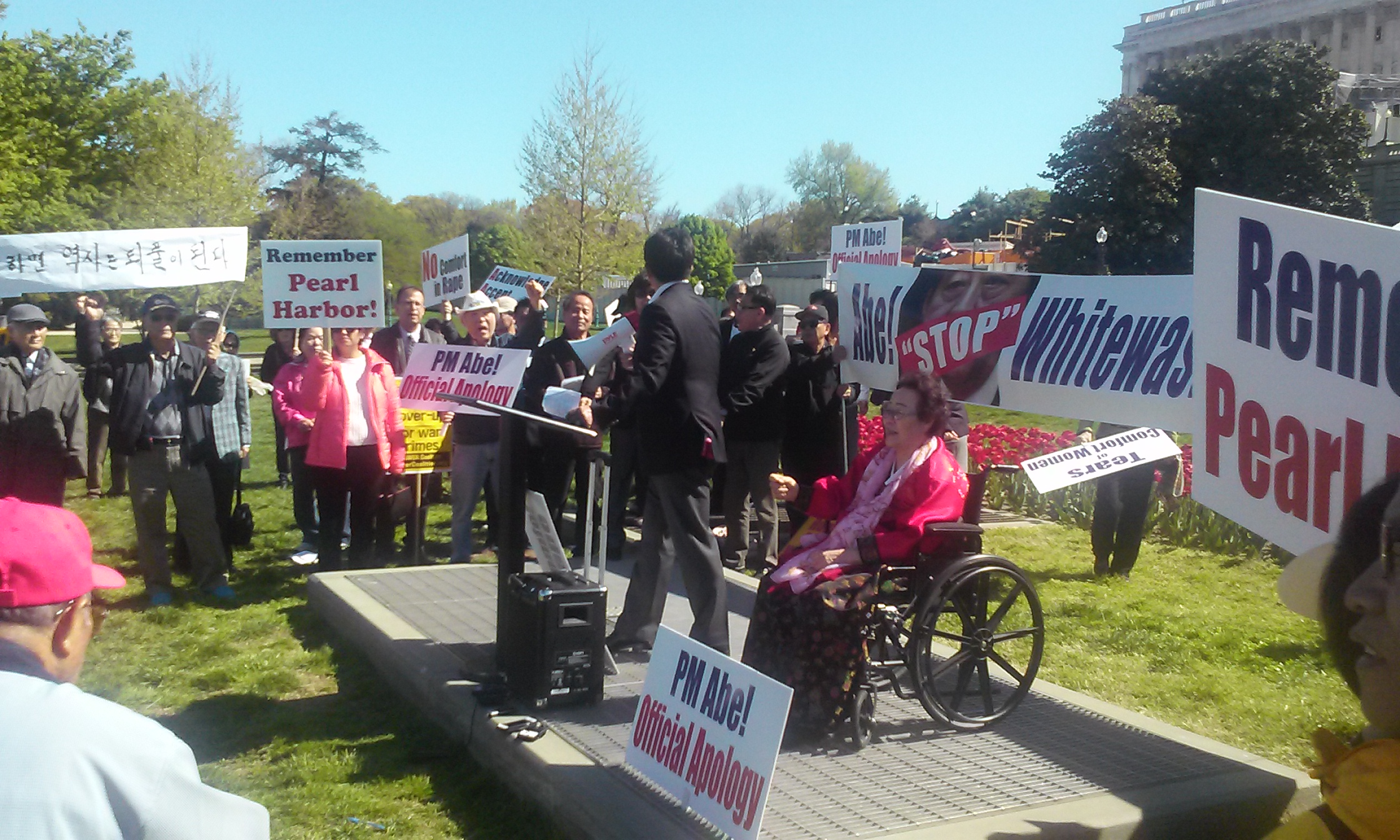
The Apology Olympics
read more

Japan wants a “normal” foreign policy. Its neighbors want apologies for wartime atrocities — and an assurance that Japanese militarism is a thing of the past.

It turns out that that a large-scale conflict in the Asia-Pacific is much more difficult to imagine than China hawks like to pretend.
America’s top ally in East Asia is bulking up its military, picking fights with its neighbors, and showing a blithe disregard for democracy.
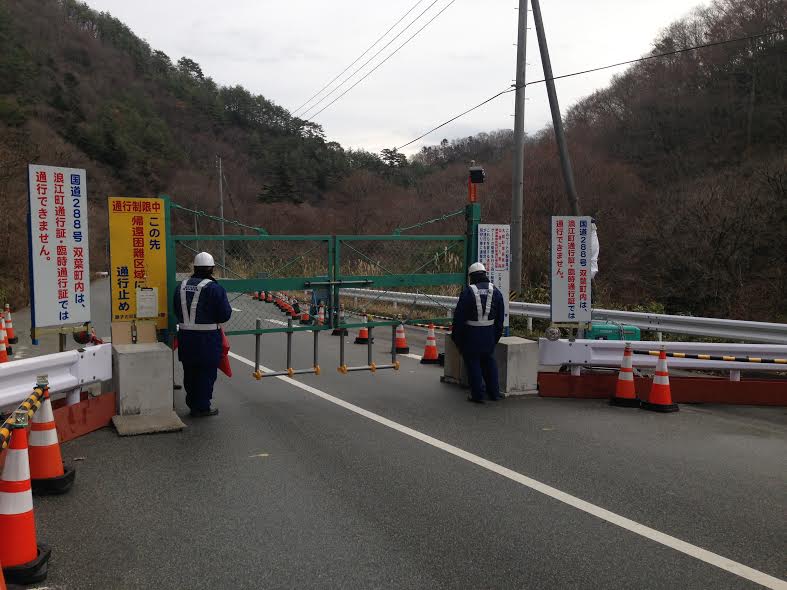
In the fourth winter since the nuclear disaster in Fukushima, Japan, many of the displaced residents are still in limbo.

Last month, the citizens of Okinawa awarded a landslide victory to a governor who wants U.S. troops off the pristine island.

Democracy has become more about bureaucratic procedure and less about the people.

The developed world has pledged $9.5 billion to help fight climate change. But it’s going to take hundreds of billions more.
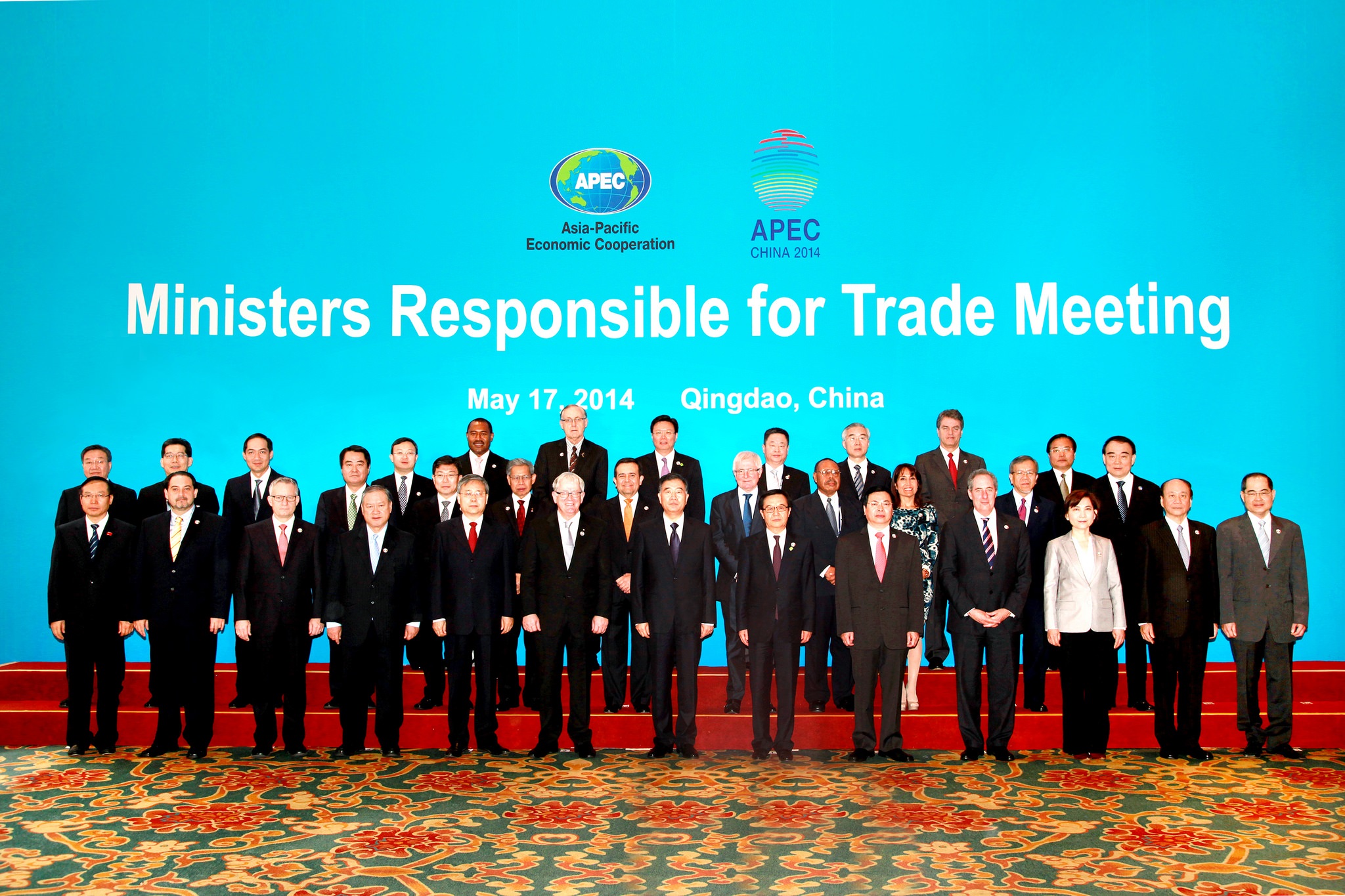
Today, Asia is like the Kardashian clan: wealthy, contentious, and all up in the public’s face.

Japan’s war hawks and imperial apologists are alienating the country’s allies and making a confrontation with its rivals more likely.

As the climate warms and the ice melts, the Arctic could become the next great theater of global cooperation—or a battlefield.