Beset by infighting among militias and rampant arms trafficking, Libya in 2014 is a cautionary tale about the long-term consequences of military intervention.

Libya: A Cautionary Tale
read more

Beset by infighting among militias and rampant arms trafficking, Libya in 2014 is a cautionary tale about the long-term consequences of military intervention.

Events appear to be moving toward a political solution to the East-West standoff over Ukraine. But as Clausewitz once noted: “Against stupidity, no amount of planning will prevail.”

Obama’s foreign policy legacy will not be secured unless he addresses head-on the belief that we have the power to achieve our objectives by threats, intimidation, and coercion.

Africa is the U.S. military’s next frontier, and it’s using humanitarian missions to get there.

For 60 years, Koreans on both sides of the DMZ have awaited a peace treaty. Instead they’ve gotten an arms race and political repression.

U.S. foreign policy is anything but demilitarized. But where the Bush team saw every problem as a nail, the Obama team wields more than just a hammer.
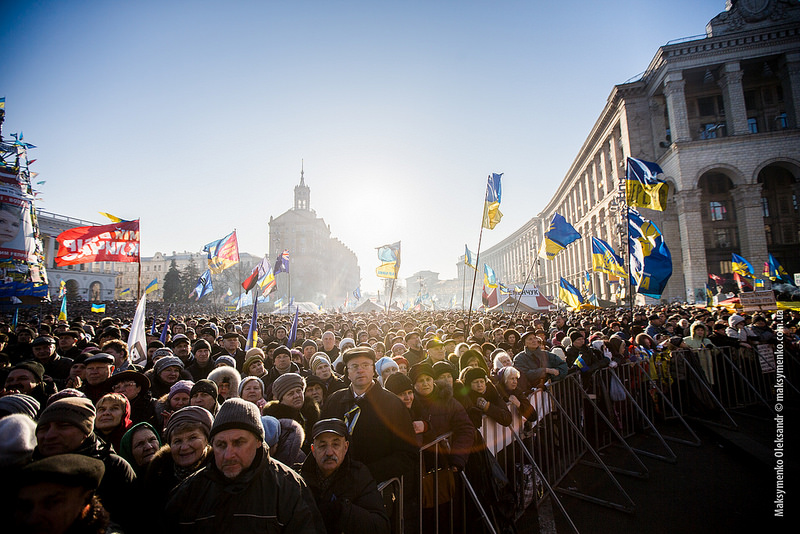
Given the limits of its power and its own compromised relationship with international law, the U.S. isn’t in a position to do much about Ukraine.

Even as we condemn the introduction of Russian troops in Crimea, we have to remember that the Cold War is over—and both sides must act that way.

Russia’s response to the Ukrainian crisis and the Olympic Games in Sochi are essentially rooted in the same impetus: Putin’s geopolitical ambitions.
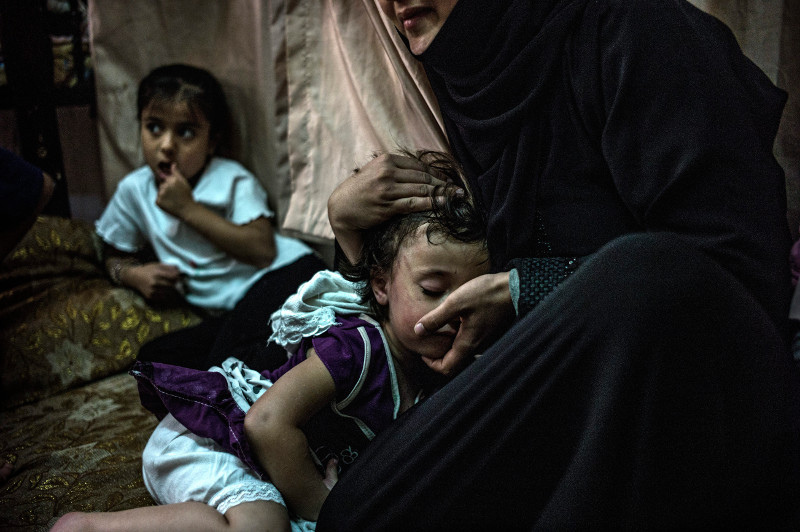
The neoconservatives and liberal interventionists were discredited long ago, but the United States still has an obligation to help solve the Syrian crisis.